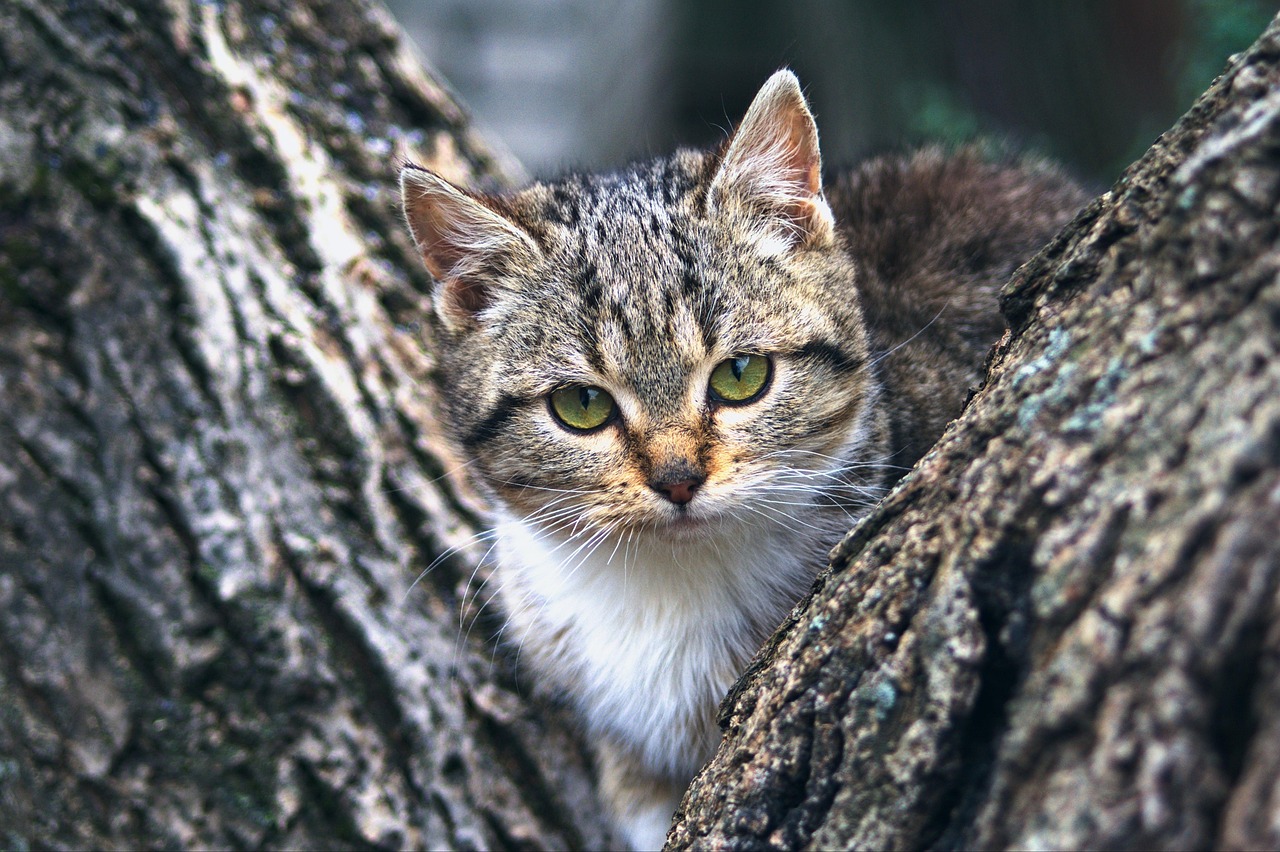

Essential Commands to Teach Your Kitten
Training your kitten is an essential aspect of responsible pet ownership. Teaching them fundamental commands can enhance your relationship while ensuring their safety. Start with the basic command, “come.” This command is crucial since it encourages your kitten to return to you when called. Use treats as motivation; each time your kitten responds, reward them with a tasty bite. Consistency is key; practice calling your kitten multiple times a day. Incorporate fun into training by using playful tones. As your kitten becomes familiar with this command, gradually reduce the treats, praising them verbally instead. Another important command is “no.” This helps establish boundaries, preventing unwanted behaviors. Firmly yet gently say the word “no” when your kitten does something inappropriate, like climbing onto furniture. Redirect their attention towards an acceptable activity, ensuring they associate the command with their actions. Remember, training should be a positive experience for your kitten; never resort to harsh discipline. Keeping sessions short and engaging will help maintain their interest. Look forward to creating a harmonious living environment through effective communication with your feline friend.
Following the “come” and “no” commands, a third essential command is “sit.” Teaching your kitten to sit is a foundational step for further training. This command not only showcases obedience but can also improve other actions. To teach “sit,” hold a treat slightly above your kitten’s nose and move your hand backward. Their natural instinct will cause them to lower their body. As soon as the kitten inverts, say “sit” and provide the treat immediately as reinforcement. Repeated practice is vital; try several short sessions throughout the day. Your kitten will soon understand what is expected! Remember to praise your kitten with affectionate strokes to build their confidence. This builds a solid relationship based on trust and communication. A well-trained kitten can bring endless joy, but patience is critical; every kitten learns at their own pace. Keep the moods light with laughter and playful moments. After perfecting “sit,” you can introduce additional commands, expanding their skill set. Consider training multiple kittens together for social interaction benefits, making learning even more enjoyable for everyone involved.
Introduction of New Commands
Another significant command to teach is “stay.” The “stay” command can help keep your kitten safe in potentially dangerous situations. To teach this command, first have your kitten sit. Then, extend your hand in front of you, palm outward, and say, “stay.” Gradually step back while maintaining eye contact and offering encouraging words. If your kitten remains in place, reward them with praise and a treat. If they get up, gently guide them back to the starting position. Understanding this command is beneficial, especially when guests arrive or during vet visits. Consistent practice makes perfect; try to incorporate different scenarios, adjusting the distance gradually for increased difficulty. This command assists with impulse control, ultimately leading to a well-behaved feline. Always celebrate small victories, reinforcing positive behaviors. Training days should be lighthearted and enjoyable for both of you. With time and repetition, your kitten will learn this essential command effectively. Approach the training sessions with optimism and eagerness. Each successful training session enhances the bond between you and your adorable companion.
Following the “stay” command is the command “down.” The “down” command encourages your kitten to lower its body, instilling calm and control. This command is particularly useful in preventing unwanted climbing or jumping. To teach “down,” start with your kitten in a standing position. Hold a treat in your hand, lowering it to the ground while saying “down.” The goal is to encourage them to lower themselves to reach the treat. Patience is critical during this training session. Each time they make the slightest move downward, reward them immediately. Gradually, they will connect the action with the command. Using vocal praise alongside treats helps reinforce learning. Practicing this command regularly ensures your kitten remains responsive in various environments. A well-trained kitten can tackle various scenarios without anxiety. Training should remain appealing, so keep it light-hearted and occasional breaks can help gather their focus. Aim for brief training sessions, as longer periods may cause distraction. Progress may vary, staying persistent matters. Ultimately, every small success will lead to a more obedient and joyful feline experience at home.
Advanced Commands for Socialization
Once your kitten has mastered basic commands, consider introducing more advanced ones like “leave it.” This command is vital for encouraging boundary respect. Teaching “leave it” prevents your kitten from engaging with potentially harmful items or behaviors. To get started, place a treat on the ground. When your kitten approaches it, firmly say “leave it.” If they attempt to ignore the treat and look at you instead, reward them with a different treat for good behavior. This behavior reinforces their obedience and teaches them to look for guidance during tempting situations. Gradually increase the distraction by using low-value treats while working up to higher-value rewards. Differentiating between acceptable and unacceptable items is an essential lesson, notably during playtime or bouts of curiosity. Consistent positive reinforcement is fundamental to this training. Practicing “leave it” can reduce stress during outings or while introducing your kitten to new environments. Close attention to your kitten’s response builds rapport as they learn to look to you for direction. Enjoy shared success as your kitten becomes more attuned to their surroundings.
Introduced after “leave it,” the command “fetch” can transform playtime into valuable training. Teaching your kitten to “fetch” elevates their activity, building bonds through engagement. Start with your kitten’s favorite lightweight toy, tossing it a short distance to spark interest. As your kitten chases the toy, encourage them by saying “fetch!” Once they retrieve the toy, use the treat to coax them back. Praise them for their efforts, ensuring they associate returning with excitement and rewards. You might need to practice this in short bursts, as kittens have brief attention spans. Some may take longer to grasp this command, so patience is, again, essential. With consistent practice, many kittens will catch on quickly, turning playtime into an enjoyable interaction while enhancing exercise. Establishing routines makes commands more intuitive over repetition, fostering curiosity. A successful “fetch” command keeps both of you entertained, stimulating their mental and physical agility. A lively yet structured training environment encourages a playful atmosphere of trust between you and your kitten. Embrace their significant growth journey as they evolve into a well-rounded pet.
Conclusion and Ongoing Training
As you navigate training, remember that each kitten is an individual with unique learning rates. Proceeding with patience and understanding helps build a positive environment. Utilize these commands as tools to enhance the relationship between you and your kitten, ensuring both of you understand each other better. Repetition and consistency are vital during training sessions. Frequent short practices yield better results than sporadic longer training spells. Monitor your kitten’s body language, adapting methods based on their comfort level and mood. The training process should be enjoyable, allowing for fun interaction time. Additionally, exploring new techniques and treats can rejuvenate your repertoire of commands. Incorporating play into training nurtures engagement, maximizing the learning experience. Celebrate achievements, no matter how small; progress reinforces your bond. Also, consider enrolling in local training classes, which provide socialization opportunities in a controlled environment with expert guidance. Ultimately, enjoy the journey of shaping your kitten’s behavioral repertoire over time. Each command taught lays the foundation for a well-behaved and delighted feline companion. Cherish the joyous moments spent together as you shape your kitten’s responses through training.
Lastly, it’s crucial to maintain the practice of training commands throughout your kitten’s life. Incorporating these commands into daily routines reinforces learning and keeps skills sharp. This continuous engagement can help ward off behavioral issues as your kitten matures into adulthood. Regular practice ensures the commands remain fresh in their memory, reminding them of their training. Routine interactions can stimulate your bond further, creating a trusting relationship built over shared experiences. Provide plenty of opportunities for play and positive feedback, reinforcing good behaviors. Remember to adjust your techniques according to age; adult cats may require different approaches than kittens. Stay observant of their learning style and modify strategies to aid comprehension. As they grow, expand their training to include new activities and challenges, ensuring a balanced lifestyle that includes physical and mental stimulation. Enjoy the rewarding journey of nurturing an obedient and loving companion. Soon enough, your kitten will demonstrate the commands effortlessly, resulting in delightful interactions. Appreciate these moments as they showcase the bond created through dedication and love during the training process. Ultimately, a well-trained cat enriches your life, creating a harmonious living atmosphere.