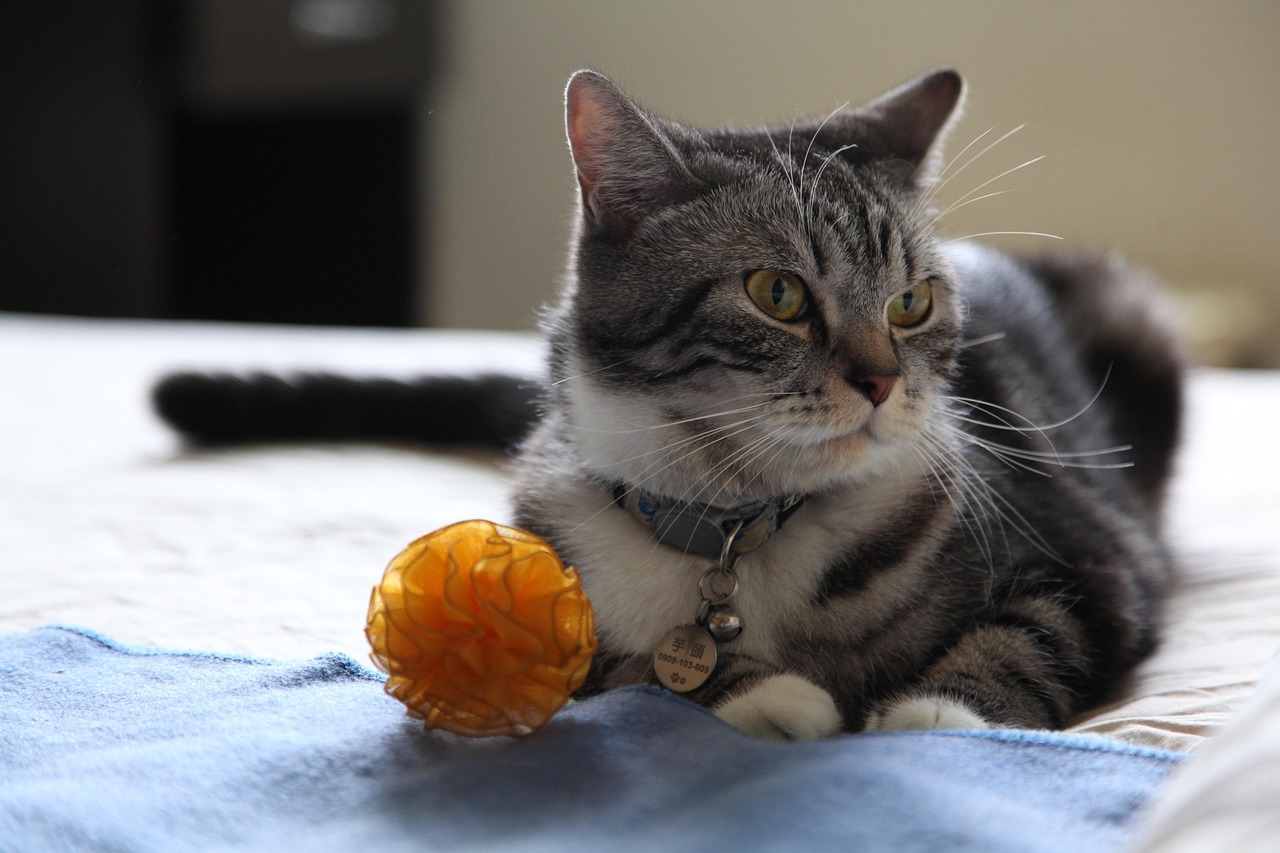

Using Toys to Encourage Good Behavior in Kittens
Effective kitten training often involves utilizing toys for encouraging good behavior. Kittens are naturally playful, and choosing the right toys can promote positive habits and serve as a reward mechanism. Engaging kittens with toys not only satisfies their playful nature but also fosters learning while having fun. When selecting toys, consider their age, size, and preferences, as this can significantly impact their engagement level. Make sure to offer a variety of toys that promote active play and mental stimulation. A diverse collection of toys, including feather wands, balls, and interactive puzzles, helps kittens develop their essential skills. Rotating these toys regularly keeps their interest intact. Incorporating play sessions into daily schedules establishes routines, reinforcing positive behaviors like using scratching posts or litter boxes. Additionally, toys that allow for interactive play help strengthen the bond between the owner and their pet. Teaching commands using toys can also solidify desired behaviors. For example, rewarding kittens with a toy when they come when called creates a positive association. Therefore, using toys creatively is a practical approach to ensuring good behavior in kittens.
Types of Toys for Effective Training
When training your kitten, understanding the types of toys available is crucial. Toys generally fall into several categories, including interactive, solo, and puzzle types. Each type serves a specific purpose in behavioral training and reinforcement. Interactive toys, such as feather wands and laser pointers, involve direct participation from the owner. These toys help kittens expend energy and develop hunting instincts. Solo toys like stuffed mice or balls are designed for independent play, allowing kittens to entertain themselves. Finally, puzzle toys stimulate their minds and reward them with treats, making learning enjoyable. By mixing various types of toys into playtime, owners can ensure that their kittens remain engaged and challenged. Moreover, observing the kitten’s preferences for specific toys can enhance training effectiveness. Some kittens may respond better to chase toys, while others prefer those that encourage problem-solving. To make the most of training sessions, schedule playtime when the kitten is most energetic. This maximizes their focus and willingness to learn. By employing a variety of toys, you provide essential elements that contribute to successful training outcomes and foster healthy habits.
Creating a structured playtime routine is essential for effective training sessions. Kittens thrive on consistency, and incorporating daily play periods helps establish clear expectations. Scheduling several short play sessions throughout the day, approximately 5-10 minutes each, ensures that the kitten is actively engaged and ready to learn. During these sessions, introduce different toys to hold their interest and encourage interactions. It’s also vital to use positive reinforcement techniques while training. Praise your kitten verbally and provide treats or additional playtime when they follow commands correctly. This creates a strong correlation between good behavior and rewards. Furthermore, incorporating toys that mimic prey or encourage hunting powers offers an excellent opportunity for behavioral training. Offer toys that allow kittens to stalk and pounce, reinforcing their natural instincts. Over time, these play sessions will help your kittens understand and follow commands. Enjoying this playful training approach not only promotes good behavior but develops a stronger bond between you and your kitten. Consistent routines and engaging activities lead to a happy and well-mannered pet, making the training process more enjoyable for both of you.
Using Toys for Litter Box Training
Litter box training is one of the essential aspects of kitten care, and toys can facilitate this process. Gradually introducing your kitten to the litter box, you can create positive associations using toys during training. For instance, place their favorite toy next to the litter box. This encourages exploration, making them more likely to investigate the box. Another strategy is to reward your kitten with a toy whenever they use the litter box correctly. This positive reinforcement guides them toward understanding that the litter box is a suitable place for their business. It is also beneficial to confine their playtime to areas close to the box initially. As they become more familiar with the litter box, you can extend their play area. Ensuring that the litter box is clean and accessible makes the training process more effective. Remember, accidents will happen, and patience is key during this training phase. Engage with your kitten playfully during litter box training to alleviate any stress they may feel. Reinforcing this behavior with toys will instill good habits surrounding litter box usage, allowing for a smoother training experience.
Incorporating remote-controlled or motorized toys into training routines offers unique benefits for both you and your kitten. These toys simulate movement that intrigues kittens, sparking their playful instincts. When kittens chase such toys, they engage in exercise, which contributes positively to their health. These toys can also assist in teaching your kitten impulse control. By encouraging them to wait before pouncing, you reinforce good behavior. Just like with traditional toys, rewarding your kitten when they follow commands during these play sessions is essential. Using treats along with the toy fosters a clear connection between the behavior and the reward, making future training sessions more effective. The variation these toys provide also keeps your kitten mentally stimulated, ensuring that boredom does not set in. You can introduce new challenges by adjusting the play environment. For instance, hiding a motorized toy in different rooms or adding obstacles can increase difficulty levels. As your kitten learns, it can help develop problem-solving skills alongside physical agility. Overall, motorized toys are valuable tools in your arsenal for ensuring well-rounded training and promoting good behavior.
Socialization Through Play
Playing with toys also encourages socialization among kittens and other pets. Socialization is a crucial part of kitten development, as it teaches them to interact positively with others. By engaging in play sessions with other friendly, well-tempered pets, kittens learn vital skills such as appropriate boundaries and understanding body language. Providing toys during these interactive sessions creates opportunities for social learning. When kittens play together, they naturally build confidence and coordination, allowing them to express themselves better. Watching the dynamics between pets during play can provide valuable insights into their personalities and preferences. To monitor playdates safely, consider introducing new toys that require sharing. This can help foster positive interactions while preventing any possessiveness over toys. It’s also essential to supervise play sessions to ensure all interactions remain friendly. When you see positive play, reinforce that behavior with praise and playtime. Additionally, when introducing toys for socialization, select those that encourage cooperation rather than competition. Toys that require teamwork will strengthen the bond among pets, improving social skills alongside proper training. This type of positive reinforcement creates a nurturing environment for kittens.
Exploring new environments using toys can positively influence a kitten’s confidence levels. Kittens can be naturally cautious, and using toys to introduce them to different areas enables gradual acclimatization. Start by navigating rooms using a toy to entice them, ensuring they feel curious and comfortable. You can also combine exploration with training by placing toys in new locations and encouraging them to approach. As kittens feel more confident exploring their surroundings, they learn to adapt to new situations better. Play sessions can serve as an anchor, providing a sense of security when venturing outside familiar spaces. It’s essential to maintain their interest along the way; having a variety of toys available during exploration helps keep them engaged. Sometimes, integrating scents, such as catnip, can also elevate stimulation levels, promoting curiosity. As your kitten becomes more comfortable with their environment, you can begin introducing them to various sounds and stimuli. This process helps to desensitize them to potentially scary things, leading to more robust emotional health. Ultimately, using toys in various settings leads to well-rounded, confident kittens who thrive in their surroundings, making training an absolute pleasure.
Summary of Effective Training Techniques
In summary, utilizing toys as a training tool for kittens enhances their learning process significantly. By selecting appropriate toys, creating routines, and ensuring consistent reward systems, owners can mold their kittens into well-behaved companions. Interaction, socialization, and exploration are vital aspects in developing a well-rounded kitten. The different types of toys available cater to specific training needs, allowing for a tailored approach in addressing behaviors. Remember, patience and consistency are key virtues in this process. Providing diverse playtime experiences helps cats explore their playful instincts while successfully reinforcing desired behaviors. Having structured sessions allows kittens to discern what is expected. Employing techniques like positive reinforcement can turn training into a positive, enjoyable endeavor for both kittens and owners. The optimal blend of reward-based learning and engaging activities will promote good behavior and a lasting bond. As your kitten progresses, remember to adjust training methods according to their growth and changing interests. This adaptability ensures that the training remains relevant and consistently reinforces good habits. Ultimately, using toys effectively is an essential component of a comprehensive kitten care strategy.