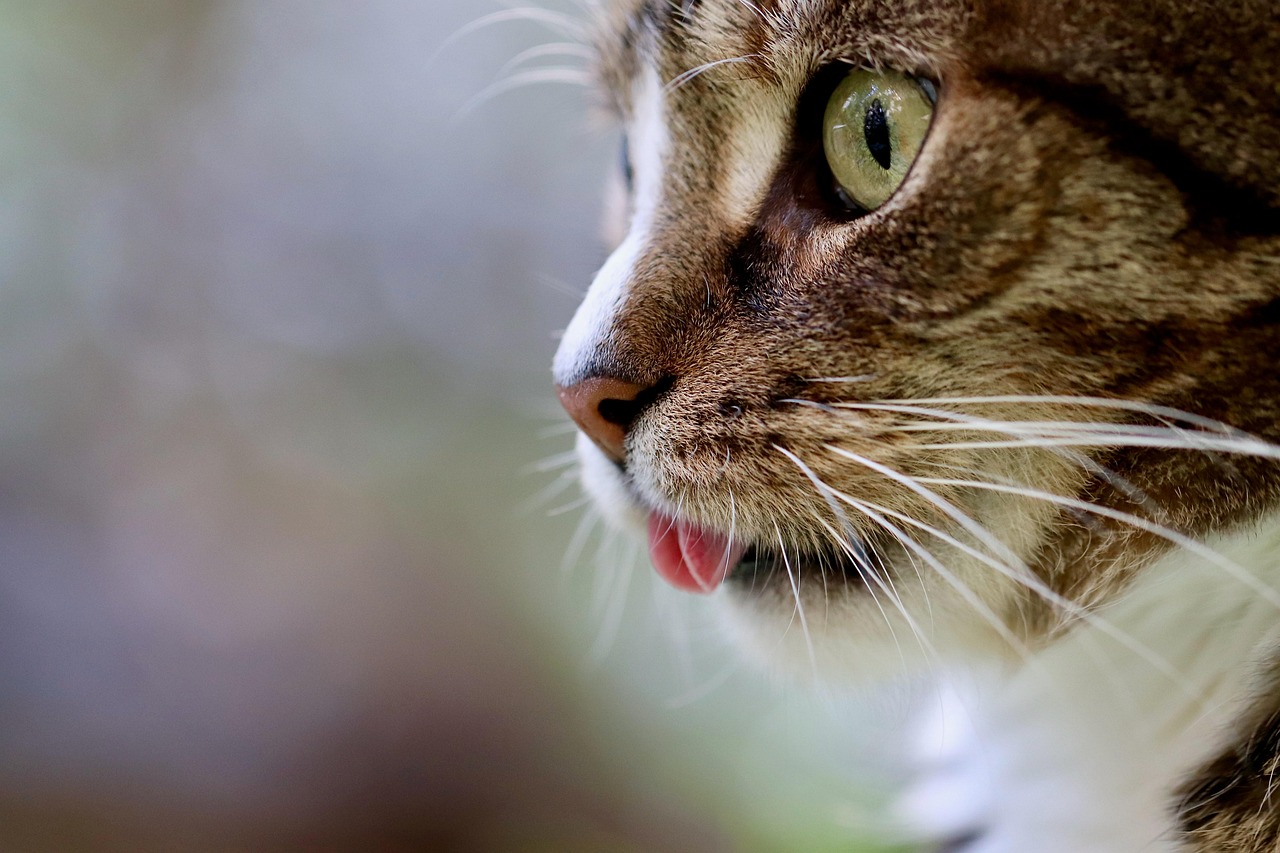

Preparing Your Cat for Vaccination: Tips for a Stress-Free Visit
Vaccinations are essential for your cat’s health and wellbeing. Preparing your cat for these visits can make a significant difference. Start by creating a comfortable environment at home. Familiarize your cat with the carrier by allowing them to explore it freely. Place soft bedding or a favorite toy inside to encourage positive associations. Additionally, feeding your cat just beforehand can reduce stress. A relaxed cat is more likely to handle the trip to the vet calmly. Leave early to avoid rushing; this helps in preventing anxiety. During the ride, play soft music or talk to your cat in a soothing tone. If your cat is particularly anxious, consider using pheromone sprays formulated to reduce stress. They’re generally safe and can create a calming atmosphere inside the carrier. Furthermore, keeping the carrier secure in your vehicle will prevent any jolting. Remember, the more you expose your cat to the carrier, the less fearful they will become. Reinforce their bravery with treats. This lays the foundation for a stress-free vet visit. Each vaccination counts towards a longer, healthier life for your feline friend.
Understanding the purpose of vaccinations can help alleviate any anxiety you might feel as a cat owner. Vaccines work by protecting your cat against various diseases ranging from viral and bacterial infections to parasitic threats. Some common vaccinations include rabies, feline distemper, and feline leukemia. It’s essential to consult your veterinarian about the right vaccination schedule tailored to your cat’s lifestyle. Factors such as age, health status, and environment influence this schedule significantly. For instance, indoor cats may require different shots compared to those that spend time outdoors. Your vet can also discuss potential side effects. Most side effects are minor, like tenderness at the injection site, which usually fades quickly. If you’re unsure about anything related to vaccines, do not hesitate to ask your veterinarian for detailed information. In addition, consider preparing a health record that lists previous vaccinations and treatments for your cat. This ensures that all necessary vaccinations are given on time, enhancing your cat’s immunity. Keeping a detailed record can also help your veterinarian provide optimal care during visits. Overall, awareness and communication lead to a healthier cat, ready to thrive and live a long life.
Choosing the Right Vaccination Plan
When planning vaccinations, assessing your cat’s risk factors is crucial. Age, existing health conditions and lifestyle should all be taken into consideration. Kittens generally require a series of vaccinations to build their immunity. After this initial phase, adults will need booster shots periodically. The terms “core vaccinations” and “non-core vaccinations” often come up during discussions. Core vaccines are vital for all cats, while non-core vaccines provide additional protection based on a cat’s specific needs. Indoor cats with low exposure might need fewer vaccinations than those that roam outdoors. Always consult with your veterinarian to determine which vaccinations to prioritize. Regular check-ups offer an opportunity to reassess the vaccination needs of your cat, adapting as required. Discuss any concerns or queries you have during these visits to feel more at ease. Remember, vaccination choices impact your cat’s health, especially against prevalent diseases, so make informed decisions. You may also want to inquire about the introduction of new vaccines that could be beneficial for your cat. Awareness and consultation pave the way for a robust vaccination plan tailored for your beloved pet’s well-being.
Before your vet visit, ensure you have all necessary information at hand. Bring along any health records, including past vaccination dates and any notes from previous visits. This data aids your veterinarian in providing personalized and effective care. If your cat is on medication, compile a list detailing the type, dosage, and frequency. Should your cat experience any changes in behavior or health, report these to your vet. Keeping the vet informed allows them to evaluate any pre-existing conditions that could affect your cat’s vaccination process. Additionally, schedule your appointment at a time that allows you to remain calm. Late-morning or early-afternoon times often lead to less crowded waiting rooms, reducing stress for both you and your cat. Finally, prepare to ask questions during your appointment. Your vet values your involvement and any questions you have about vaccines, side effects or aftercare are encouraged. Engaging in a dialogue ensures you are well-informed and comfortable with the vaccination process. Adopting these practices ultimately benefits your chat’s health and safety during vaccinations.
After the Vaccination: What to Expect
Post-vaccination care is crucial for your cat’s recovery and overall health. After administering the vaccine, your veterinarian will likely recommend observing your cat for any abnormal reactions. Common side effects include mild lethargy, a slight fever, or a temporary loss of appetite. These typically resolve within a day or two, but should any severe symptoms arise, contact your vet immediately. Maintaining a comfortable environment at home will help your cat relax. Avoid overwhelming them with visitors and keep their routine as normal as possible. A quiet, safe space allows them to recover stress-free. Additionally, monitor them closely for the next 24 to 48 hours, noting any behaviors that deviate from their norm. Offering favorite foods and gentle pets can create a reassuring atmosphere. It’s crucial to keep track of follow-up appointments for future vaccinations or boosters. Your vet will guide you through a suitable vaccination schedule based on your cat’s individual needs and any changes in their health. Overall, patience and observation after vaccinations contribute to a seamless healing process that keeps your cat healthy and safe.
Establishing a routine around vaccinations helps normalize the process for both you and your furry companion. Familiarize your cat with the carrier by allowing them to explore it at home. Rewarding them with treats or toys during these experiences builds positive associations. It’s important to remember that your response impacts their demeanor. If you express anxiety, your cat may pick up on this energy, which can create additional stress. Instead, maintain a calm, encouraging attitude to instill confidence in your pet. Additionally, involve your family in the process; educating everyone about vaccinations helps create a supportive environment. Setting a regular check-up schedule with your vet can further enhance your cat’s comfort level as they become more accustomed to the process. Engaging them in interactive play and nurturing helps alleviate any tension as the visit approaches. Consider familiarizing your cat with the vet’s office by visiting occasionally without an appointment. Simply navigating the space can help decrease future anxiety. Every small effort serves to create a more positive experience during vaccinations. Ultimately, consistency and a nurturing approach lead to stress-free vet visits that support your cat’s health journey.
Conclusion: A Healthier Future for Your Cat
In conclusion, preparing your cat for vaccinations can lead to a significantly smoother experience. Through careful planning, proper communication, and understanding your pet’s needs, you create a supportive atmosphere. Ensuring your cat feels comfortable and secure ultimately fosters reassurance. Congratulations on taking these positive steps towards better health for your feline companion! Utilize the tips listed above, from familiarizing your cat with the carrier to maintaining open dialogue with your vet. Your proactive involvement ensures a personalized vaccination plan that considers your cat’s unique requirements. The commitment to your cat’s health not only protects them from diseases but also contributes to their general quality of life. Being aware of potential reactions, preparing for the visit, and supporting them afterward creates a well-rounded approach to veterinary care. Healthier pets create happier lives for families, and these preventive measures are invaluable. Consider these tips as tools in your pet care toolbox. With a bit of preparation and routine, the vaccination process can turn into a seamless experience promoting longevity. Provide your feline friend with the best possible routine, and they’ll surely reward you with loving companionship and loyalty for years to come.