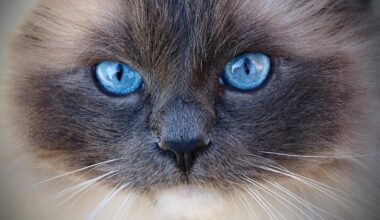

How Kneading Helps Cats Feel Comfortable
Kneading is one of the most endearing behaviors exhibited by cats. Often seen as cats rhythmically pushing their paws in and out against soft surfaces, this behavior has roots in kittenhood. When they are nursing, kittens knead their mother’s belly to stimulate milk flow. This instinctive action serves as a comfort mechanism. Kneading releases endorphins, providing a soothing effect, which is essential for their emotional well-being. Adult cats may also knead as a means to secure their own comfort and safety. In their environment, this action can create a sense of calm. You may observe your cat kneading blankets, pillows, or even your lap. This behavior signals trust in their surroundings, as they tend to knead in spaces where they feel secure. Moreover, it’s not only about physical comfort; it signifies a deep emotional bond. Cats may knead to mark their territory too, as they have glands in their paws that release pheromones. This adds a layer to their behavior, merging instinct with emotional needs, exemplifying the complex nature of their personality.
Understanding why cats knead provides insight into their complex behaviors. Kneading can serve multiple purposes from their perspective. The comfort derived from the action might stem from a combination of instinct and learned behavior. Cats often knead on soft surfaces, creating a cozy spot reminiscent of their kitten days. It allows them to craft an ideal sleeping area, pushing down grass or leaves in the wild. Interestingly, some cats have unique kneading patterns, sometimes doing it faster or incorporating a playful bite into the process. This variation demonstrates how individual experiences shape their behavior. Some feline companions only knead in the presence of their owners, showcasing their attachment and comfort level around humans. Such actions can also indicate a state of happiness, especially when purring accompanies the kneading. Additionally, it can serve a calming purpose for them, helping to alleviate stress in unfamiliar situations. Observing your cat during these moments can provide key insights into their emotional state. By interpreting their kneading habits, you can foster a better understanding of when your fur friend feels happiest or most secure.
Moreover, kneading can function as a stress-relief mechanism. Cats often demonstrate this behavior in new environments or during periods of anxiety. The rhythmic motion reassures them, grounding their frantic thoughts. Kneading provides a distraction from stressors they might encounter daily. When dealing with changes—such as moving houses or introducing new pets—cats may turn to their innate habits to cope. This behavior becomes particularly evident during upheavals. To aid during these transition periods, providing stable routines is essential for their well-being. Ensuring their space remains familiar can also support their emotional needs. Offer their favorite pillows or blankets in new places, creating a sense of continuity. Additionally, pets can benefit from the soothing sounds of gentle music or quiet ambient noise, further encouraging relaxation. Taking note of alterations in their kneading frequency can alert you to possible distress. If their kneading becomes more pronounced, a visit to the vet may be in order. As every cat is an individual, adaptations in their routine can provide support to mitigate anxiety. Thus, understanding kneading’s role offers a pathway towards effective compassion.
The Relationship Between Kneading and Bonding
Kneading however is closely connected to the bond between you and your cat. It indicates their comfort level not just with themselves, but also with their surroundings and the relationships they have established. Cats develop trust with their owners through consistent, positive interactions. When a cat kneads on you, it’s a profound expression of affection and attachment. This behavior invites you into their world, signaling that they feel safe in your presence. Observing this frequent kneading underscores the importance of nurturing relationships. Enhancing your bond with structured play, cuddling sessions, and mutual grooming are ways to deepen this connection. Keeping an open line of communication through gentle vocalizations and soft touches can lead to a healthier relationship. Furthermore, a trustworthy environment encourages them to knead freely. Cats often exhibit less anxiety when they feel secure, which opens the door for deeper connections and shared moments of intimacy. As two beings learning from each other, influencing their reactions positively can lead to profound experiences together. So the next time your cat kneads, recognize it as a distinctive display of love and trust, reinforcing the special bond shared.
A cat’s kneading can also be tied to the concept of ‘territorial marking.’ Cats are territorial creatures, and their kneading behavior serves a dual purpose; it helps in claiming their space. The glands in their paws release pheromones while kneading, allowing them to mark the area as familiar and safe. In essence, when a cat kneads into your lap, couch, or favorite spot, they’re not just making themselves comfortable; they’re asserting their claim. Understanding this aspect of kneading showcases the numerous layers that exist in their body language. It’s an invitation for connection but also a subtle declaration of ownership. Thus, every kneading session can express varied emotions ranging from trust to protectiveness. If you find your cat kneading more vigorously, consider the implications it might have on their emotional status. Engaging with them post-kneading can enhance their sense of belonging. Providing spaces around your home that your cat finds particularly inviting can stimulate their natural instincts and reinforce their happiness. Therefore, the multi-faceted nature of kneading goes beyond comfort—it intersects with their instinctual behavior, emotional expressions, and territory assertion.
Conclusion: Embracing Kneading as a Cat Parent
Embracing and understanding cat kneading is essential for any cat parent wishing to enhance their pet’s quality of life. This behavior is uniquely significant in building a bond with your furry friend. By interpreting these actions, you can better address their emotional and physical needs. Supporting them during anxious moments through familiar items can alleviate distress. It’s crucial to acknowledge kneading as a blend of instinct and emotional expression, which can indicate various underlying feelings. Respecting and engaging with your cat during these moments can foster a deeper understanding of their emotional landscape. Become attentive to subtle shifts in behavior, as they provide key insights into their well-being. When witnessing your cat kneading, it’s an opportunity to connect. Responding appropriately, whether through gentle petting or quiet presence, enriches your relationship. Ultimately, nurturing their instincts to knead is part of an enriching and fulfilling pet-owner journey. This profound understanding and respect for their habits create an environment where they can thrive. Kneading teaches us about attachment, trust, and the loving bond shared between humans and their beloved companions.
In summary, observing and understanding the kneading behavior in cats can immensely improve our relationship with them. Recognizing its significance allows us to appreciate more profound aspects of feline behavior. It connects us to their early experiences and speaks volumes about their emotional states. Kneading is not just a cute quirk; it encapsulates security, comfort, and the profound bond shared. As cat owners, we have the privilege of nurturing these instincts while creating safe spaces that cater to their needs. Engaging in open communication through gentle touches and attentiveness helps strengthen the trust we share. Furthermore, recognizing their stresses and offering familiarity can significantly alleviate their anxiety. Building an environment that encourages kneading exists in more thoughtful compositions of their habitat. The simple act of kneading can serve as a catalyst for understanding the deeper layers of a cat’s behavior. Our role extends beyond simple ownership; it encompasses being attuned to their rhythms and responses. This journey leads to mutual growth and enjoyment, highlighting the beautiful coexistence between cats and their humans.