
Ragdoll Cats vs Other Cat Breeds: Comparisons and Differences
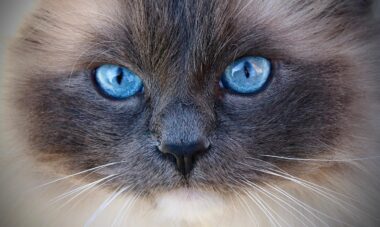
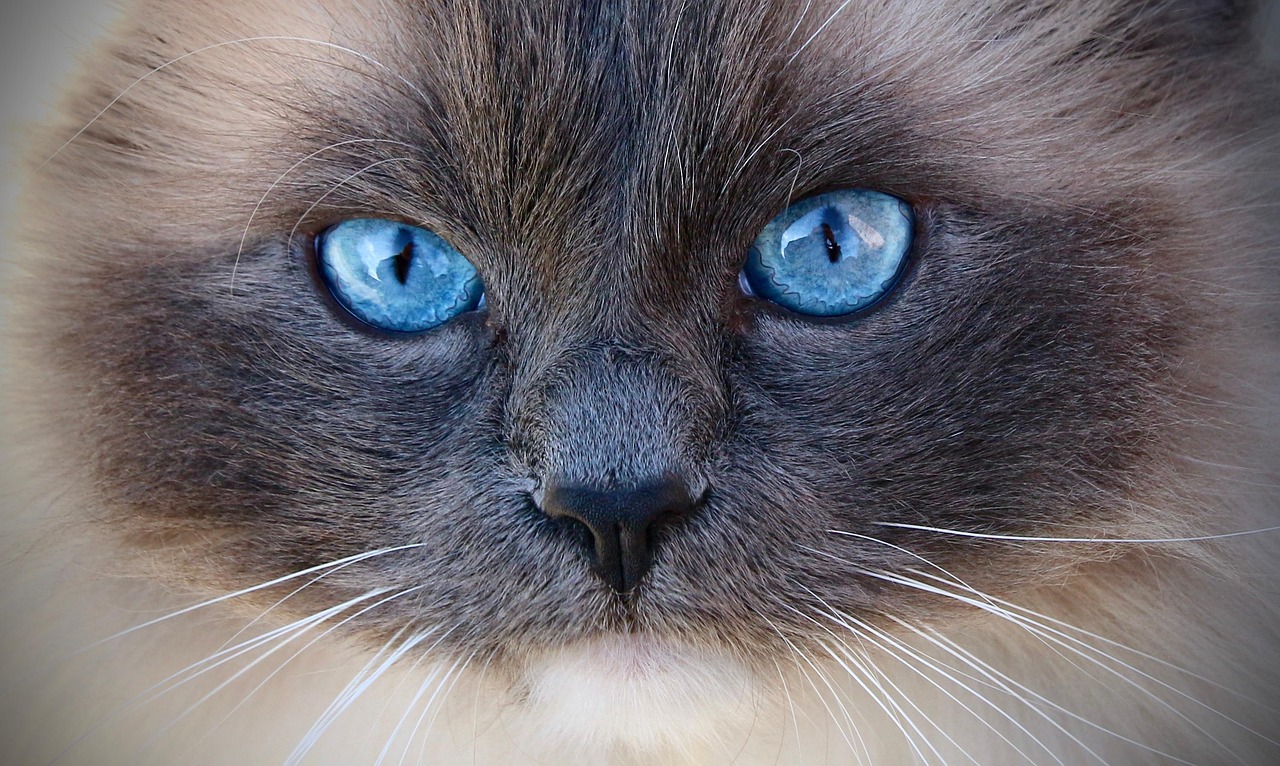
When comparing Ragdoll cats to other breeds, it’s essential to appreciate their unique characteristics truly. Ragdolls are renowned for their gentle disposition and affectionate nature. Unlike many other cat breeds, which may display independence and aloofness, Ragdolls thrive on human companionship, seeking to be involved in every aspect of their owner’s life. It’s common for them to follow you around the home, showcasing their loyalty. Their playful behavior remains evident even in adulthood, unlike some breeds that may become more reserved over time. Furthermore, Ragdolls typically possess striking blue eyes that easily captivate anyone who encounters them. Their semi-long fur offers not just beauty but also the necessity for regular grooming to prevent mats and tangles. While some breeds require little maintenance, such as the British Shorthair, Ragdolls demand consistent attention to their coat health. Additionally, Ragdolls are known for their unique ‘floppy’ behavior when picked up, making them quite distinctive in terms of interaction. Understanding these differences allows potential cat owners to make informed choices about which breed aligns best with their lifestyle.
Many cat breeds have distinct physical attributes that set them apart. Ragdolls stand out with their striking appearance, but they also share some similarities with other breeds. Their size is generally larger than average, a contrast to smaller breeds like the Singapura. Ragdolls exhibit a muscular build with solid bone structure, giving them a solid and sturdy presence. Unlike the slender form of the Siamese, Ragdolls have broad heads and distinct triangular faces. Their fur is another standout feature; it’s soft and silky, reminiscent of a bunny’s fur. While Maine Coons share a similar luxurious coat, their grooming requirements differ. Ragdolls generally require regular brushing to maintain their coat’s health, while Maine Coons may need more due to their dense undercoat. Furthermore, Ragdolls are known for the color-point pattern in their fur, which is more pronounced in their breed compared to the varied patterns found in domestic shorthairs. The combination of their large size, striking fur patterns, and loving nature makes Ragdolls truly unique among cat breeds.
Temperament Differences
The temperament of Ragdoll cats is a pivotal factor that differentiates them from many other breeds. Often characterized as docile and easygoing, Ragdolls are typically more relaxed than other breeds, such as the wiry Abyssinian, which can be more energetic. This unique temperament means Ragdolls usually integrate well into family settings, including homes with children or other pets. They are known for their patience and gentle demeanor, encouraging interaction rather than discouraging it. Unlike more independent breeds such as the Persian, Ragdolls thrive on socialization and bonding with their humans. It’s not uncommon for Ragdolls to enjoy a cuddle session on the couch or to be carried around as if they were puppies. However, potential Ragdoll owners should consider that their affectionate nature can sometimes lead to separation anxiety. Ensuring they have adequate companionship, whether from another pet or family members, is crucial for their emotional well-being. Their relaxed temperament makes them ideal companions for individuals who prefer a loving, easy-going feline friend.
Another key aspect that sets Ragdolls apart from other breeds is their health considerations. Generally regarded as sturdy cats, Ragdolls can still be prone to specific health issues, particularly hypertrophic cardiomyopathy (HCM), a common genetic condition in many feline breeds. Regular veterinary check-ups become a vital preventive measure for Ragdolls and their owners. In contrast, certain breeds, like the Sphynx, possess unique health concerns linked to their lack of fur, which requires special attention. The lifespan of Ragdolls typically averages between 12 to 15 years, which aligns with many cat breeds. However, their size and genetic predispositions can delay health concerns appearing later in life. Diet plays a significant role in a Ragdoll’s overall health, requiring a balanced nutrition plan tailored to promote healthy weight and support muscle structure. Moreover, engaging in regular exercise and play is essential to maintain their physical well-being, helping prevent boredom or obesity. Nevertheless, committing to an active lifestyle can be incredibly rewarding for both the Ragdoll and the owner.
Living Arrangements
When considering the living conditions of Ragdoll cats compared to other breeds, several factors must be taken into account. Ragdolls are incredibly adaptable, thriving in various environments ranging from apartments to large homes. Unlike more active breeds that require extensive outdoor roaming, Ragdolls are content indoors, given sufficient stimulation and playtime. Owners should ensure they provide interactive toys and opportunities for climbing or exploring to keep their Ragdoll mentally engaged. Setting up a cozy space where they can lounge and relax is also essential, as these cats love comfort. In comparison, breeds like the Bengal are often more demanding in terms of space and activity as they have a strong prey drive and need more vigorous exercise. Furthermore, because Ragdolls are social cats, they do best in homes where they can interact with humans regularly. Leaving them alone for long periods can lead to unhappiness or behavioral issues. Overall, any potential Ragdoll owners must evaluate their home environment and lifestyle to ensure it meets the specific needs of this loving breed.
Ragdolls exhibit a unique love for companionship, which contrasts with some cat breeds that prefer solitude. It’s common for Ragdolls to be described as ‘dog-like’ due to their loyalty and affection towards their owners. As a breed, they thrive on being involved in family activities, unlike more aloof breeds such as the Norwegian Forest Cat, which may enjoy solitude at times. When socializing Ragdolls, one will notice that they often do not display the same territorial behavior associated with other breeds, allowing them to adapt well to homes with multiple pets. This adaptability means they tend to get along well with cats and dogs alike. Training Ragdolls to follow commands is also feasible, reinforcing their devoted nature. Introducing a new Ragdoll to the household typically requires patience, but due to their easygoing demeanor, they usually adjust well without major conflicts. Providing them proper social engagements allows Ragdolls to shine as friendly family members. Thus, anyone choosing a Ragdoll should prioritize a nurturing social environment, helping to cultivate their naturally loving nature.
Conclusion
In conclusion, recognizing the distinctions between Ragdoll cats and other breeds showcases the beauty of feline diversity. While Ragdolls are undoubtedly known for their affectionate behaviors and adaptability to various living conditions, other breeds also present unique qualities that may cater to different preferences. Each cat breed has its charm, temperament, and requirements, influencing the dynamics within a household. For instance, those seeking an energetic companion may appreciate a breed like the Abyssinian, while Ragdolls represent comfort and companionship. The decision to adopt a cat must consider one’s lifestyle, living conditions, and personal preferences. Additionally, fostering an environment where their needs are met can enhance the overall experience of pet ownership. Prospective cat owners should engage in thorough research about different breeds’ characteristics before making a decision. No matter which breed you choose, the bond formed with any feline companion can share immense joy and unconditional love. Ultimately, Ragdolls hold a special place in the hearts of many; understanding their unique traits contributes to a lasting and fulfilling relationship.
As cat lovers search for their ideal feline companion, Ragdolls stand out due to their unique charm and loving nature, setting them apart from other cat breeds. By understanding their specific needs and behaviors, potential owners can ensure they create a harmonious home environment for these affectionate cats. Investing time in caring for a Ragdoll guarantees a fulfilling relationship filled with love, joy, and companionship.