
Differences Between Savannah Cats and Other Hybrid Breeds
When discussing hybrid cat breeds, Savannah cats often top the list. They are a mixed breed originating from a serval cat and a domestic cat. Their exotic appearance and vibrant personality distinguish them from many other hybrid types. The Savannah’s tall, slender body and long legs give them a striking look. In contrast, other hybrids often have different background mixes, such as Bengal or Chausie cats. Each hybrid breed offers unique traits; for instance, Bengals boast a distinctive coat pattern, combining spots, and rosette markings. Savannah cats typically feature bold spots too, resembling their serval ancestor mostly. The energetic personality of Savannah cats adds another layer of interest, as they are known to be highly active and playful. They enjoy climbing and exploring, similar to how their wild relatives behave. This energy set them apart from other hybrids, who may have differing temperaments. Understanding these differences can help potential cat owners choose the right breed for their lifestyle. Research on each breed’s temperament is crucial before deciding. In essence, while all hybrids are fascinating, Savannah cats maintain a particular allure that entices many cat enthusiasts.
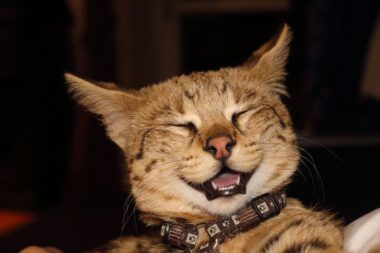
One of the most significant distinctions between Savannah cats and other hybrid breeds is their physical appearance. Savannahs are tall, athletic, and possess large ears, deeply set eyes, and a long neck. These features derive from their serval lineage, which contributes to their wild aesthetic. Other hybrids, like Bengal or Oriental Shorthairs, may possess unique features but lack the striking visual characteristics of Savannahs. Additionally, Savannah cats often have a softer coat texture compared to other hybrid cats that may have varied fur types. Moreover, Savannahs can come in various colors and patterns, resembling their wild ancestors. In contrast, hybrids like Bengals primarily showcase their spotted or marbled coats. This difference in appearance can attract certain owners seeking a particular look in their feline companions. Savannahs may also have a more pronounced temperamental characteristic, displaying loyalty and affection towards their owners. Their sociability and zest for life make them appealing to those who want an interactive pet. It’s important to note that potential owners must appreciate these traits to guarantee a harmonious household.
Another notable difference between Savannah cats and other hybrid breeds is their energy level. Savannah cats are exceptionally high-energy animals; they require ample stimulation through play and physical activity. They thrive in environments where they can explore, climb, and interact. This level of activity contrasts with hybrids like the Bengal cat, which also possesses high energy but may channel it differently. Bengals, while playful, might not require as much mental stimulation as Savannahs. Due to their origins, Savannahs often display behaviors associated with wild cats; thus, they enjoy engaging in interactive activities, which can challenge their intelligence. Furthermore, this need for stimulation means they thrive better in homes that can provide them with opportunities for engagement. People considering a Savannah must also compare their lifestyle and willingness to invest time in playtime. On the other hand, hybrids like the Ragdoll may be more on the relaxed side. Understanding these differences is critical for new owners to make informed decisions when choosing the right cat for their home. Whether a high-energy or low-energy hybrid, researching traits is vital for a successful pet ownership experience.
Care Requirements
Caring for Savannah cats also presents specific considerations that differ from other hybrid breeds. For one, they may require more space and an enriching environment than other hybrids. Their high energy and playful nature mean they thrive in homes with tall cat trees and various toys. This differs from breeds such as the British Shorthair, which can adapt to smaller spaces more easily. Additionally, feeding requirements vary for Savannahs due to their adventurous nature and propensity for exercise. Owners must ensure an appropriate diet that matches their active lifestyle, balancing protein sources vital for muscle development and energy. Hybrid breeds such as the Exotic Shorthair may not have the same dietary needs and can eat a standard cat food formulation. Grooming differs as well; while both breeds will require regular brushing, Savannah cats may benefit from more frequent grooming to manage shedding related to their coat types. Adhering to a consistent grooming routine is essential for the breed, as it helps to maintain skin health. Each breed’s care routine is a crucial factor for prospective owners as they consider their commitment level to pet ownership.
Socialization is another critical point that differentiates Savannah cats from other hybrid breeds. Savannahs typically require extensive social interaction and stimulation, reflecting their wild ancestry and playful personality. They are known for their ability to bond closely with their human companions, often displaying dog-like loyalty. This contrasts with breeds like the American Shorthair, which may be more independent and less demanding in socializing needs. Socialization opportunities for a Savannah must involve people and other pets, as these cats thrive in active households. Potential owners need to invest time during the early stages of development to ensure a well-adjusted adult cat. Additionally, engaging them with varying experiences early on can help mitigate behavioral issues down the line. Conversely, some hybrid breeds might not require or want as much interaction, leading to different overall lifestyles for their owners. Understanding the socialization needs of Savannah cats can assist in creating nurturing environments, benefiting the cat’s health and happiness. Owners need to evaluate their capacity for engagement when deciding to bring a Savannah cat into their home.
One difference often overlooked between Savannahs and other hybrids involves their training capabilities. Savannah cats are known for their intelligence; they are generally easier to train than many other breeds. Their keen minds and inquisitive nature allow them to learn commands and tricks quickly. However, this contrasts with some hybrids, such as the Burmese, which might not respond as readily to training. Owners of Savannahs often enjoy teaching various tricks, utilizing their natural problem-solving skills effectively. This can result in deepening the bond between the human and cat. Furthermore, training opportunities can help channel their energy productively, decreasing potential behavioral issues. It is important to incorporate positive reinforcement tactics during training sessions to ensure success. Training a Savannah can also help satisfy their mental stimulation requirements, which is vital for their well-being. On the other hand, some hybrids may require less training effort, making them suitable for individuals seeking a lower-maintenance pet. Weighing the level of commitment required for training is important for potential owners to make informed choices regarding recently acquired hybrid pets.
Conclusion: Making the Right Choice
Ultimately, understanding the differences between Savannah cats and other hybrid breeds allows potential owners to choose wisely. Each hybrid breed offers a unique set of traits that may or may not align with one’s lifestyle and expectations. Savannahs are energetic, social, and highly trainable pets that thrive with interactive play and need ample space. In contrast, other hybrids like the Bengal and Ragdoll exhibit different temperaments and care requirements. Individuals must evaluate their ability to meet a Savannah’s needs and ensure proper socialization and stimulation. Moreover, contrasting each breed’s grooming, training, and dietary requirements will help individuals make informed choices. Also, prospective cat owners should consider that each breed has inherent health traits and potential longevity factors. Investing time in research before deciding will lead to successful ownership experiences. It’s essential for potential adopters to consider not only the appearance of the breed but also the responsibilities involved. In conclusion, the Savannah cat might appeal to those seeking a lively and engaging feline companion who can thrive in an involved household.
Given the appeal of Savannah cats, it’s vital for prospective owners to embrace their unique needs and traits. Engaging with breeders and knowledgeable owners can further facilitate potential owners’ understanding of what to expect. Ensuring the prospective pet owners can provide the right environment and lifestyle tailored to their needs ensures that both the owner and cat harmonize. Understanding breed differences allows for better relationships and happier homes for both pets and their families. By focusing on the cat’s needs, owners can prepare themselves for enjoyable and fulfilling companionship. With the right alignments in place, owning a Savannah can be a rewarding and enriching experience. Whether deciding on a Savannah or another hybrid breed, owners must place importance on finding a breed that resonates with their lifestyle. Each breed has its own array of characteristics that can meet individual preferences. The joy of pet ownership ultimately lies in the match between the owner and the selected breed, emphasizing compatibility as key for successful cohabitation. Thus, researching hybrid breeds is essential for anyone considering bringing a furry friend into their lives.