
Training Your Cat for Stress Management During Shows
Preparing your cat for competitive show environments is essential. In show settings, stress can arise from loud noises, unfamiliar people, and crowded spaces. To maximize your cat’s comfort, start by creating a calm home environment with familiar scents and personal items. Gradually expose your cat to new sights and sounds simulating an actual cat show. Begin with shorter training sessions, gradually increasing their duration. This method helps your cat adjust gradually without becoming overwhelmed. Incorporate interactive playtime using toys that engage their instincts, and reward them with treats during practice sessions. Additionally, consider consulting a veterinarian for advice on pheromone diffusers or calming supplements to support your cat’s nerves. Socialization plays a crucial role as well. Have friends or family members visit to mimic the interactions at shows. Frequent handling also rewards calm behavior. This practice helps your cat associate new experiences with positive outcomes. Finally, assess your cat’s body language. Watching for signs of anxiety can help you recognize when your cat needs a break during training or shows.
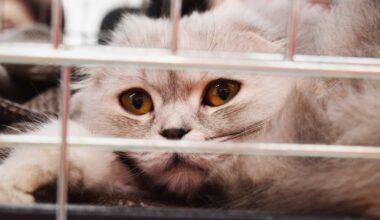
Familiarizing your cat with a cat carrier is vital for shows. Start by placing the carrier in a stress-free environment, allowing your cat to explore at its own pace. Include familiar items like toys and blankets inside the carrier to make it feel cozy. Encourage your cat to enter the carrier voluntarily. Use treats or play to coax your cat inside, ensuring it forms positive associations. Gradually increase the time spent inside the carrier and close the door for brief moments to adjust your cat to confinement. Practice transporting the carrier in your car with your cat inside, making trips to and from fun locations. Consistent practice will help diminish stress during actual travel to shows. If your cat resists, avoid forcing it, as negative experiences can worsen their anxiety. Fostering positive reinforcement through gentle encouragement builds your cat’s confidence. Additionally, practice regularly opening the carrier in various environments to prepare for the unpredictability of cat shows. Be patient and ready to extend training as needed. The aim is for your cat to view the carrier as a safe and secure space, contributing positively to stress reduction during competitions.
Creating a Positive Environment
Establishing a supportive environment is critical for stress management in training and during shows. When your cat feels safe and secure, it can perform better. Set up a quiet area in your home solely for training, free from distractions. Ensure this space is comfortable with appropriate bedding, toys, and the essential resources your cat requires. Gradually introduce the elements of a show, like grooming and handling, in this tranquil space. Regular grooming sessions using a gentle brush can reduce anxiety before the big day. Aim for short, positive sessions that build up over time. Soothing music can also help create a calming atmosphere. Research shows that soft classical music may help reduce stress in various animals, including cats. During training, maintain a calm demeanor yourself; cats can pick up on their owner’s anxiety. Speaking softly and soothingly can provide emotional comfort. Always reinforce positive behavior with treats and praise to create a bond between you and your cat. During stressful situations, your cat will recognize that training usually brings encouragement, helping to alleviate anxiety and fostering confidence in performance.
During training sessions, focus on reinforcing desired behaviors and building a strong bond with your cat. Instead of tired old training techniques, incorporate diverse experiences to motivate and engage your cat. Employ clicker training as an effective method; it associates good behavior with rewards efficiently. Once your cat performs a desired action, use the clicker and provide a treat immediately, reinforcing that positive behavior. Gradually introduce tasks such as sitting or staying as you progress. Ensure sessions are not too long; ten to fifteen minutes is ideal, maintaining energy and focus. After a successful training process, practice showing your cat. Mimic the show environment at home, using various props and furniture to simulate the real experience. Collaborate with fellow cat owners who can help showcase their cats or invite experienced handlers to provide guidance. Attend local shows as an observer, familiarizing your cat with the sights and sounds without any pressure. Vision experience will help decrease anxiety when ready for performance. Furthermore, consistency is critical. Regular practice ensures that your cat adapts to specific routines to improve overall confidence.
Understanding Body Language
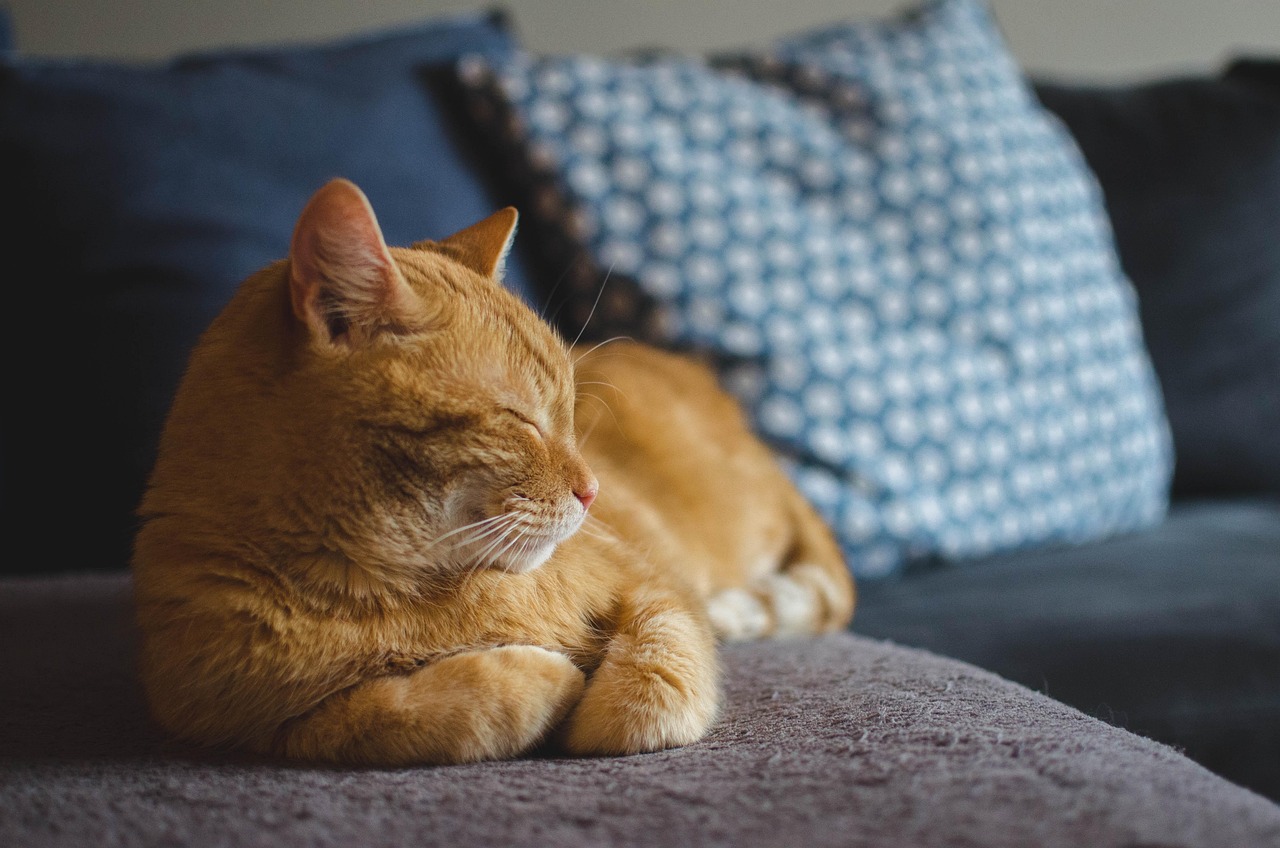
Learning to interpret your cat’s body language during training can significantly enhance your stress management efforts. Cats communicate through various signals, so observing their behavior can provide essential insights. Indicators like flattening ears, tail twitching, or hesitant body posture point to anxiety or discomfort. If you notice these signs, allow your cat a break from training or reassess the situation. Providing a safe haven, like a quiet room with no distractions, can mitigate overwhelming feelings, allowing your cat to regroup. Additionally, use calming scents such as lavender; it aids relaxation. When your cat displays relaxed behaviors, such as kneading or purring, it indicates a healthy bonding experience. Foster these interactions with gentle touches and soft words. Maintain an awareness of the emotional cues your cat exhibits throughout training. Regularly assess how your cat reacts to different environments. Keeping a training journal can help document progress and identify patterns in behavior when faced with stress. By understanding your cat’s body language, you’re empowered to address their concerns more effectively, leading to a more enriching training experience. Positive reinforcement is essential during these interactions.
Balance is key when preparing your cat for shows. Training should be complemented with ample relaxation and playtime, ensuring your well-being and your cat’s. Play reinforces the bond between you and offers a healthy outlet for any pent-up energy. Interactive toys, such as feather wands or lasers, can keep your cat physically engaged, alleviating pre-show anxiety. Choose times when your cat is naturally energetic, and let them explore their surroundings while interacting with you. These sessions should be enjoyable and rewarding. Take advantage of this time by enhancing your connection through playful activities. Creating a balanced schedule between training, play, and downtime establishes a routine that becomes habitual for your cat. Remember to schedule breaks in your training to maintain your cat’s focus. Overtraining can lead to frustration and stress. Progress may appear slow, but patience and consistency will yield results. A cat mentally and physically stimulated will show confidence during competitions. As the training continues, assess if your cat enjoys the activity or show-related experiences. Be adaptable, guiding your cat based on cues regarding their specific emotional needs.
Conclusion: Preparing for Success
In conclusion, preparing your cat for stress management during shows requires consistent effort, time, and love. Establishing positive experiences through gradual exposure and rewarding behaviors ensures that your cat becomes accustomed to the unique show environment. Create a calm atmosphere conducive to relaxation, and regularly monitor your cat’s body language. Utilize interactive training strategies like clicker training to establish effective communication. Your role is vital in fostering a trusting relationship, allowing your cat to feel secure when faced with different environments. This trust guarantees a solid foundation that can alleviate stress when it’s time for shows. Remember, playtime is equally important and should not be overlooked; it provides essential mental exercise while strengthening your bond. Regularly assess your training strategies, adjusting as necessary without overwhelming your cat. Finally, implement a balanced routine that includes fun, training, and rest. By remaining attentive to your cat’s emotional needs, you build the foundation for confident and successful show experiences. A well-prepared cat brings joy to events, making the effort meaningful for both you and your furry companion. Together, you can thrive in the competitive cat show world.