
Preventing and Responding to Dog-Related Home Accidents
Ensuring your home is safe for your dog is essential for both you and your furry friend. First, identify potential hazards. Dogs are curious and can easily get into trouble. Electrical cords can pose a choking hazard if chewed. Put away all toxic plants, as these can harm or even prove fatal to pets. Store cleaning supplies in locked cabinets to prevent ingestion or accidents. Additionally, secure trash cans to keep your dog from digging through and consuming harmful items. If you have sharp objects around, like scissors or broken glass, ensure they are out of reach. Use baby gates to block access to staircases or potentially dangerous areas. Regularly check your home to identify any new hazards. Dog-proofing is an ongoing job! Also, ensure your furniture is secured so it won’t tip over if your dog jumps on or off. Consider using non-slip mats to prevent slipping accidents. Most importantly, have an emergency plan in place in case your dog does have an accident. Keep your vet’s number handy and know the locations of nearby clinics for immediate assistance. Always prioritize safety for a happy, healthy home environment.
Training Your Dog for Safety
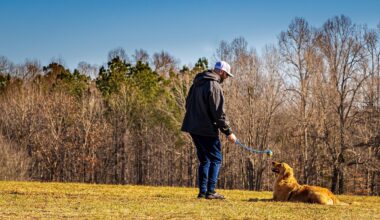
Training your dog to respond appropriately to commands can play a crucial role in accident prevention. Teaching commands such as “leave it” can prevent your pet from approaching dangerous items or situations. Start training in a distraction-free environment, gradually introducing distractions as your dog learns. Consistency is vital; use the same commands and rewards every time. Positive reinforcement is key! Whenever your dog follows a command, reward them with treats or praise. Incorporate safety-based commands into your routine to establish a habit. Practice recall commands in safe spaces to ensure your dog comes back to you when called. This could prevent them from wandering into dangerous situations. Additionally, enroll your dog in obedience classes for professional guidance and socialization opportunities. Remember that each dog learns at their own pace, so be patient and supportive throughout the process. Regularly assess your dog’s understanding and adjust your training tactics as necessary. Encourage family members to participate in training to ensure everyone is on the same page. A well-trained dog is not only safer but also more enjoyable to have around the home. Investing time in training can yield long-term benefits and enhance your dog’s instincts.
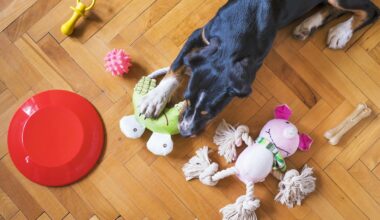
Another important aspect of preventing dog-related accidents at home is understanding your dog’s behavior. Dogs communicate through body language, and being attentive to their cues can prevent unwanted incidents. For example, if your dog is pawing at a cabinet or exhibiting signs of anxiety, intervene immediately to determine the cause. Regularly observe how your dog interacts with toys, furniture, and family members. Take note of any behaviors that may signal an urge to chew or jump on things. Introduce appropriate chew toys to satisfy their need to engage their mouth. Always supervise playtime, especially with new toys to ensure they are safe for your pet. Ensure that your dog has a designated safe space within the home where they can retreat to when feeling overwhelmed. A crate or a specific corner with comfy bedding works great for this purpose. Additionally, regularly rotate toys to keep your dog engaged mentally and physically. Familiarity breeds boredom, which can lead to destructive behavior. Ensure you spend quality time with your pet through activities such as walks, play, or training sessions. Understanding your pet’s needs will reduce accidents while strengthening your bond over time.
Avoiding Dangerous Foods and Items
Many common household items, including foods, pose significant risks to dogs. It’s essential to educate yourself about which foods are harmful or toxic. Chocolate, grapes, and onions can lead to serious health issues if ingested. Always keep these foods well out of reach and educate family members about their dangers. Be cautious with human foods that are safe for people but not for dogs, such as avocado or certain nuts. Create a special feeding area for your dog, utilizing a bowl where you can control their diet and prevent them from sneaking food. To prevent poaching from human snacks, enforce a “no feeding from the table” rule during meals. When disposing of food, do not leave scraps unattended, as your dog may find and consume them. Educate guests on proper behavior around your dog, ensuring they don’t inadvertently offer harmful treats. Also, store medications, supplements, and vitamins securely out of reach. Many human medications can be fatal, so be vigilant. Keep in mind that even seemingly harmless items like bones can splinter, causing injuries. Prioritizing food safety is a vital part of creating a secure home environment for your dog.
An often-overlooked area of safety involves securing your home’s environment, especially your outdoor space. Ensuring your yard is fenced properly prevents your dog from escaping and potentially running into traffic or encountering aggressive animals. Regularly inspect your fence for gaps or weak areas where your dog could dig or squeeze through. Make sure gates close securely to avoid accidental escapes. Also, check your garden for any hazardous plants and chemicals that your dog may chew on or ingest. Certain fertilizers and pesticides can be extremely dangerous to dogs, so consider using pet-safe alternatives. If your dog enjoys digging, create a designated digging area filled with sand or soil where it’s safe for them to play. Additionally, supervise outdoor playtime to prevent unsupervised accidents or encounters with wildlife. If you live in a neighborhood with frequent passerby distractions, consider using a leash for outdoor trips to maintain control. Finally, always ensure your dog is wearing proper identification, such as a collar with tags or a microchip, should they escape. These measures can go a long way in keeping your dog safe while enjoying the outdoors.
Monitoring and Responding to Emergencies
Being prepared to handle emergencies is crucial to safeguarding your dog. Familiarize yourself with common signs of distress in dogs so you can act quickly in case of an incident. Observe for symptoms such as excessive panting, vomiting, or behavioral changes, which may signal health issues or accidents. Gather a pet first aid kit that includes essential items like bandages, antiseptic wipes, and contact information for your veterinarian—keeping it in an easily accessible spot. Regularly check the contents of your first aid kit to ensure all supplies are in good condition and fresh. Educate family members on how to administer basic first aid. Whether it’s handling minor cuts or recognizing the signs of choking, everyone should be informed. Consider attending pet first aid classes to enrich your knowledge. Furthermore, establish a quick response plan for emergencies. Keep your vet’s phone number and the nearest 24-hour animal clinic contacts in a visible place. In case of an emergency, remain calm and act swiftly, as your dog may sense your anxiety. A well-prepared environment makes a significant difference in minimizing injuries and enhancing recovery chances.
Ultimately, addressing safety at home extends beyond preventing accidents; it also involves fostering a secure and nurturing home for your dog. Creating a stress-free environment contributes significantly to your dog’s overall well-being. Regularly engage in fun activities that keep them stimulated physically and mentally. Whether it’s through fetching games, puzzle toys, or obedience training, various activities can divert attention from potential hazards around the home. Regular vet check-ups are crucial for ensuring your dog’s health; stay informed on vaccinations and preventive care. A healthy dog is more resilient to accidents and injuries. Furthermore, bond with your dog through quality time; this not only builds trust but also aids in understanding their behaviors and needs. If your dog displays anxiety or fearful behaviors, consider consulting a canine behaviorist for professional advice. With diligence, understanding, and a committed approach to training, you can cultivate a safe home where your dog thrives. By fostering a proactive mindset regarding safety, you can enjoy peace of mind knowing your furry friend is well-cared for and happy, leading to improved quality of life for both of you in the long run.
In conclusion, creating a safe environment at home for your dog is a multifaceted process that incorporates prevention, training, and readiness for emergencies. By identifying and addressing potential hazards, ensuring proper training, monitoring food safety, and creating secure outdoor spaces, you can significantly reduce the likelihood of accidents. Equally important is having a responsive approach to emergencies, so you and your family are prepared for unexpected situations. Understanding your dog’s behavior enhances your ability to prevent accidents while facilitating a stronger bond between the two of you. Regularly reassessing your home and routines for safety will lead to a lasting sense of security. Remember to keep lines of communication open among family members and encourage everyone’s involvement in creating a safe pet space. As you continue to care for your dog’s needs, regular activities foster well-being. Then, establish solid training tactics throughout your dog’s life for impactful results. Ultimately, a safe home ensures a happier life for both you and your beloved canine companion. Prioritize your dog’s safety with practical measures and preventive strategies for a rewarding pet-parenting experience.