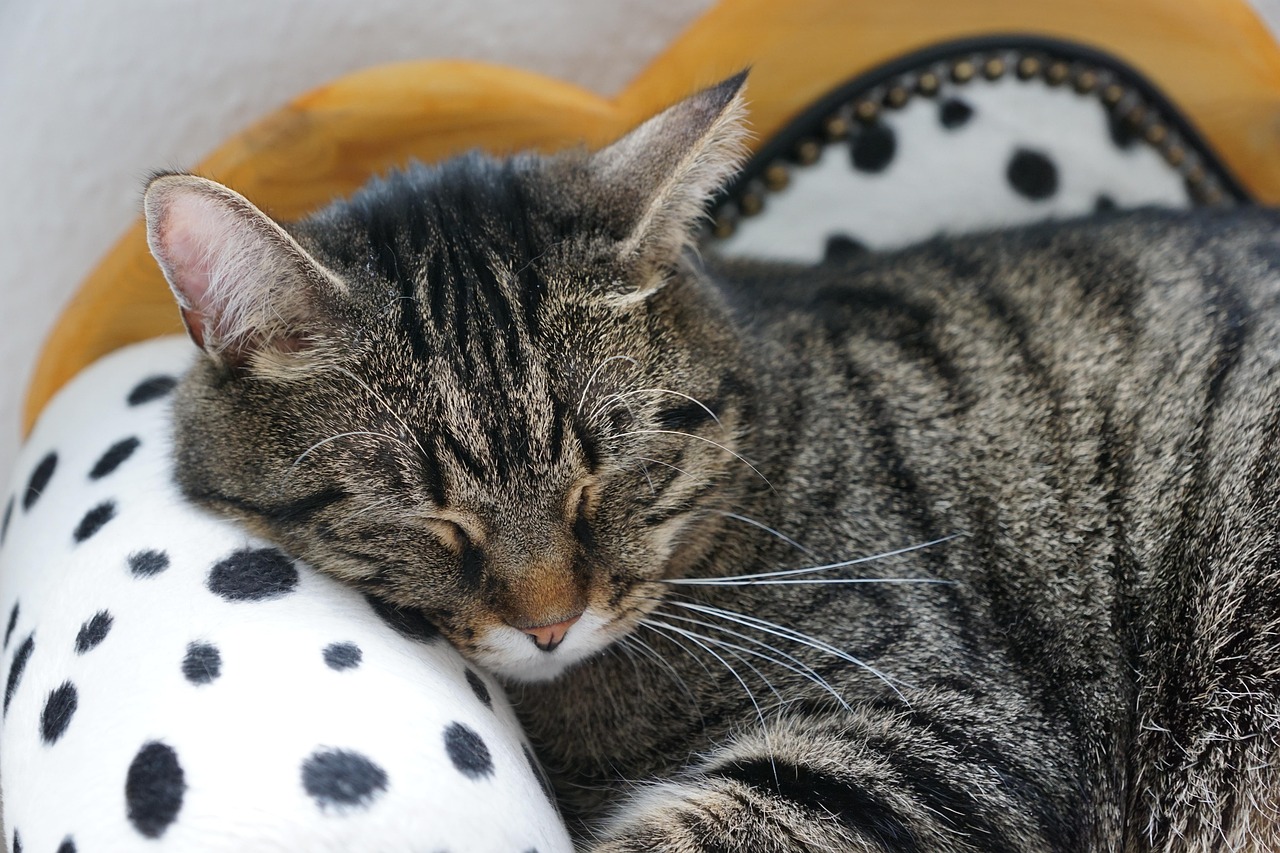

Creating a Stress-Free Environment for Your Feline Friend
Creating a stress-free environment for your feline friend is essential for their overall mental health and well-being. Cats are naturally sensitive creatures, and they thrive in settings that feel safe and comfortable. One way to achieve this is by ensuring they have access to cozy spots for relaxation. Consider investing in cat trees, soft blankets, or cozy beds that provide them with a sense of security. Additionally, maintaining a consistent routine is crucial in helping your cat feel stable and secure. Cats are creatures of habit and can become stressed when their routines are disrupted. Opportunities for play are equally important. Engaging your cat in regular playtime activities can help alleviate stress and keep them mentally stimulated. Simple toys, such as feather wands or laser pointers, can provide hours of entertainment. You should also ensure your cat has a safe space to retreat when they need to be alone. Creating a designated area with hiding spots and scratching posts can make all the difference in reducing anxiety. Lastly, consider using calming products, such as diffusers or sprays, designed specifically for feline companions. These products can help create a peaceful atmosphere for your cat.
Another significant aspect of a stress-free environment is providing environmental enrichment for your cat. Enrichment includes activities and items that stimulate your cat’s natural behaviors, helping them feel more engaged and content. This can be achieved through puzzle feeders, which not only entertain but also make mealtime more challenging and rewarding. Additionally, consider rotating your cat’s toys regularly to keep their interest piqued. New toys or even a simple cardboard box can provide hours of fun and engagement. Cats enjoy exploring and hunting, so setting up an obstacle course or using shelves for climbing can encourage these natural instincts. Incorporating cat grass or safe houseplants in your home can also add a touch of nature that your feline friend would appreciate. Providing climbing opportunities, such as cat shelves or a catio, allows your cat to exercise and observe their surroundings safely. Furthermore, socialization plays a crucial role in your cat’s happiness. If you have multiple pets, ensure that they can coexist peacefully and provide each with their own space to feel secure and relaxed.
Understanding Your Cat’s Needs and Behavior
Understanding your cat’s needs and behavior is vital to creating a stress-free environment. Take the time to observe their habits and feelings; this will provide insight into what makes them comfortable or anxious. Many cats show signs of stress through body language, such as a twitching tail, flattened ears, or excessive grooming. Recognizing these signs allows you to address issues before they escalate. Providing hiding spaces, like tunnels or enclosed beds, can offer your pet a sanctuary where they feel safe. Additionally, ensure that their basic needs are met, including access to clean litter boxes, fresh water, and regular meals. Seasonal changes can also influence a cat’s mood, so adapting their environment to keep them comfortable during hot or cold weather is essential. If you have adopted a kitten or a rescue cat, patience is key; they may take some time to adjust to their new surroundings. Gradually introduction to all areas of your home will help reduce anxiety. By understanding your feline’s requirements, you will enhance their quality of life and build a bond of trust and companionship.
Providing proper training and gentle handling is another essential factor in reducing stress for your cat. While cats are generally independent animals, they benefit from training that encourages positive behaviors. Use positive reinforcement techniques to train your cat in respectful manners, such as using treats or praise for appropriate actions. Avoid yelling or punishment, as this can lead to increased anxiety. Instead, redirect unwanted behaviors to acceptable alternatives, such as scratching posts instead of furniture. Gentle handling is equally important; remember that not all cats appreciate being picked up or cuddled. Respect your cat’s boundaries, and always let them approach you when they feel comfortable. Gradually desensitize them to handling by allowing them to explore your hands and presence at their own pace. Creating a calm, loving atmosphere during play and interactions will help your cat feel secure and understood. Also, pay attention to the multi-cat dynamics in your home. Conflicts can arise, leading to stress; monitor their interactions and provide them separate spaces. Be sure to dedicate quality individual time to each cat to strengthen your bond and reassure them of their safety within their home.
Creating Calm with Music and Aromatherapy
Implementing calming techniques, such as music and aromatherapy, can significantly contribute to your cat’s relaxation and well-being. Studies have shown that certain types of music, like soft classical or specific compositions designed for cats, can have soothing effects. Experimenting with different sounds can help determine what works best for your feline companion. You might notice a reduction in anxious behaviors such as excessive grooming or hiding. Another approach to create a serene environment is the use of feline-friendly scents. Certain aromas, such as lavender or valerian, can be comforting to cats. Make sure to use proper diffusers or sprays designed specifically for pet use, ensuring safety and effectiveness. You should also avoid any strong or overwhelming fragrances that might distress your cat. Providing a quiet area free from loud noises, bright lights, or sudden movements can further enhance your cat’s comfort. Place their favorite bed or a soft blanket in this area, creating an inviting space where they may retreat whenever they feel overwhelmed or anxious. Research shows that establishing these calmer environments greatly improves feline mental health and reduces stress levels.
Cats also benefit from the company of their humans, and fostering a strong bond can help reduce their stress levels significantly. Spending quality time with your feline friend through gentle petting, grooming, or even just talking can create a lasting connection that supports their mental well-being. Schedule regular play sessions that cater to their natural hunting instincts, providing mental stimulation and physical exercise. Whether it’s a solo activity or involving toys that mimic prey, keep sessions fun and rewarding for your cat. Additionally, allowing your cat to accompany you during daily routines fosters a sense of inclusion, further solidifying that bond. Cats are social animals, albeit sometimes selectively so; be mindful to gauge their comfort level in social interactions. If your cat enjoys being near you, integrate them into your daily life as best as you can. Pay attention to their need for tranquility by providing them with safe zones if they prefer solitude. Understanding your cat’s signals and respecting their preferences will lead to a deeper, healthier relationship that contributes to their overall happiness and mental health.
Final Thoughts on Promoting Cat Well-being
In conclusion, creating a stress-free environment for your feline friend involves understanding their unique needs and behaviors. By providing comfort through safe spaces, regular engagement, and a keen sense of observation, you can support your cat’s mental health effectively. Maintain a predictable environment with routine tasks, from feeding to playtimes. This consistency reassures your pet, helping to build trust and security. Additionally, incorporating enrichment activities can effectively reduce boredom and anxiety, keeping your pet engaged both physically and mentally. Don’t underestimate the power of music or calming scents; these can transform your household and create a peaceful environment. Foster a connection through social interactions, respecting boundaries, and allowing your cat to initiate contact. Ultimately, combining these strategies can lead to a happier and healthier life for your beloved feline. Monitoring your cat’s mental health over time and making adjustments as needed will ensure they flourish in your care. Remember that a happy cat translates into a happy home, so proactively prioritize their well-being for a stronger bond and enriched lives together.