
Differences Between Abyssinian and Other Cat Breeds
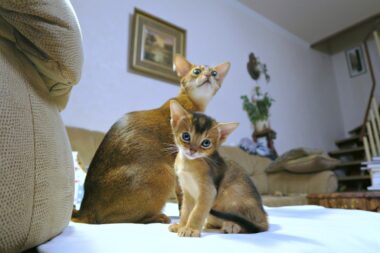
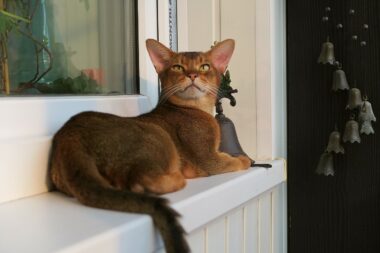
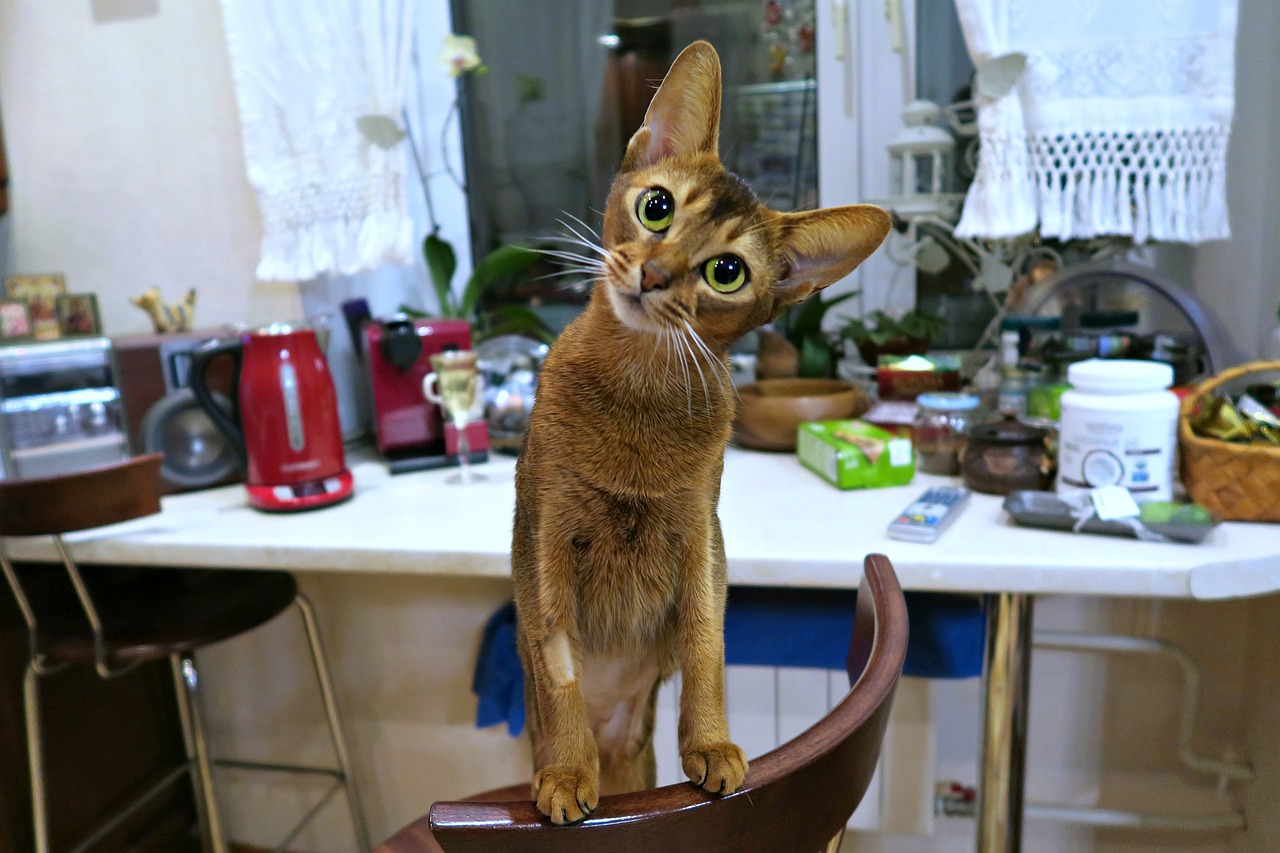
Abyssinians are renowned for their unique appearance and vivacious nature, setting them apart from many other cat breeds. One notable distinction is their short, fine coat featuring a ticking effect, which creates a richly warm, golden brown hue. Unlike Persians, who possess long, flowing fur, Abyssinians require less grooming and showcase their elegant physique. Additionally, these cats boast highly expressive, almond-shaped eyes that contribute to their alert and inquisitive demeanor. While Maine Coons are known for their large size and tufted ears, Abyssinians maintain a more lithe and agile frame, making them exceptional climbers. Their playful nature often leads to athletic antics around the household, such as jumping or climbing to high places. Just like Siamese cats, Abyssinians exhibit vocal behaviors, but instead of a distinctive meow, their sounds are usually soft chirps or purrs. Trainability varies among cat breeds, yet Abyssinians are often quite intelligent, engaging with interactive toys or learning tricks quickly. Overall, these distinctive traits make Abyssinians a unique breed worthy of the affection they receive from cat enthusiasts.
In contrast to more solitary cat breeds, Abyssinians thrive in social environments, establishing strong bonds with their human companions. This outgoing disposition sets them apart from breeds like the British Shorthair, which tend to be more reserved and independent by nature. Abyssinians actively seek interaction, demonstrate curiosity in their surroundings, and are comfortable participating in family activities. Their energetic nature often draws them towards playtime, particularly with feather toys or interactive laser pointers, unlike Ragdolls, who may prefer lounging around and enjoying human company. Furthermore, Abyssinians often bond well with children and other pets, making them well-suited for homes with various inhabitants. In terms of temperament, they tend to be confident and friendly, seldom displaying aggression or anxiety towards new experiences. Even though they can be mischief-makers, their playful antics are usually endearing rather than disruptive, ensuring that they bring joy to their owners. The breed’s adaptability is another advantage, allowing them to adjust easily to different living situations, whether in a bustling household or a quieter environment. This adaptability contributes to Abyssinians’ overall appeal among diverse cat enthusiasts.
Abyssinians and Health Concerns
Health considerations play an essential role when comparing Abyssinians to other breeds. Specifically, Abyssinians may be predisposed to certain genetic health issues, such as gingivitis, as well as kidney-related concerns, similar to some Siamese cats. On the other hand, breeds like Persians often face respiratory issues due to their distinctive facial structure, demonstrating that each breed has unique health challenges. This variance emphasizes the need for responsible breeding practices, ensuring that potential health issues are minimized. Regular veterinary check-ups, vaccinations, and a well-balanced diet are crucial in maintaining an Abyssinian’s health throughout their lifespan. Furthermore, early socialization and training are vital in developing their playful yet friendly demeanor. In contrast to more aloof breeds, Abyssinians truly thrive on interaction and mental stimulation, which contributes positively to their overall well-being. Cat owners should also be aware of the potential for obesity, a common concern across all breeds, prompting the importance of exercise. The right interactive toys and engagement will guarantee that Abyssinians remain fit, maintaining their energy levels and playful personalities for years to come.
Dietary needs and preferences can also differ among cat breeds, influencing overall health and happiness. Abyssinians benefit from a high-protein diet rich in quality ingredients, aligning with their energetic demeanor, similar to breeds like Bengal cats, known for their active lifestyle. Commercial cat foods tailored specifically for Abyssinians can also support their unique nutritional requirements. In contrast to more sedentary breeds, Abyssinians tend to require a more robust dietary routine, ensuring they maintain optimal health and weight. Favorable diet changes should be monitored closely, considering each cat’s individual sensitivities or preferences, such as allergies to certain ingredients. While some cats may thrive on a dry food-only diet, others may benefit from a mix of canned and dry foods or even a raw diet approach under professional guidance. Additionally, the inclusion of supplements, like Omega fatty acids, may enhance their coat health, preserving its rich color and texture. Owners must remain informed about the specific needs of Abyssinians as these peculiar dietary requirements can influence their overall health when compared to less active breeds.
Living Environment Differences
Abyssinians excel in environments that provide stimulation and opportunities for exercise, distinguishing them from more laid-back breeds. This breed often thrives in active households and is well-suited for families who enjoy interactive play. Unlike the laidback British Shorthairs that are content to lounge, Abyssinians will explore, climb, and investigate, necessitating a living space that accommodates their curious nature. Ideally, an Abyssinian’s home should feature vertical spaces like cat trees or shelving units to encourage climbing and exploration. Additionally, engaging activities, such as puzzle feeders or interactive toys, can keep their minds occupied, contrasting with other breeds that may prefer passive entertainment. When crate training cats for travel, Abyssinians generally adapt well to car trips compared to breeds that exhibit more anxiety or timid responses. Their inquisitive nature ensures they will likely be alert and curious throughout any journey. Owners should provide proper litter box placement and cleanliness, as Abyssinians are particular about hygiene. Overall, ensuring an engaging and enriching environment will significantly enhance the Abyssinian’s quality of life, helping them flourish as lively companions.
In terms of lifespan, Abyssinians enjoy a healthy lifespan of 12 to 15 years or more when well-cared for. Factors that can contribute to their longevity include diet, genetics, exercise, and overall health care. They are robust and adaptive, which gives them an edge compared to frailer breeds that may have shorter lifespans, such as the Devon Rex or Sphynx cats. Abyssinians are also more resistant to some genetic illnesses when compared to breeds like the Maine Coon, known to have hereditary concerns like hypertrophic cardiomyopathy. Regular veterinarian visits for preventive care and vaccinations play a significant role in enhancing their longevity and ensuring a healthy lifestyle. It’s essential for Abyssinian owners to remain informed about potential health concerns related to their specific breed, aiding in their early detection. Additionally, providing appropriate dental care, nutrition, and a stimulating environment will foster both physical and mental health longevity. Considering these factors can help Abyssinians live longer, healthier lives, contributing to the joys they bring and ensuring their presence continues for many cherished years.
Conclusion: The Unique Abyssinian Breed
In summary, Abyssinians stand out remarkably among the plethora of cat breeds through their unique appearance, intelligence, and engaging personalities. Their sociable nature fosters affectionate relationships with humans and fellow pets, rendering them suitable for dynamic households. They display distinct physical features such as their patina coat, expressive eyes, and elegant frames, contrasting sharply with other breeds’ characteristics. Health considerations play an integral role in their overall care, as potential issues like gingivitis and kidney diseases may arise, necessitating responsible breeding practices. Abyssinians require an active environment with room to explore and play, setting them apart from lazier counterparts. Their dietary needs differ, emphasizing the importance of a high-protein diet tailored to meet their energetic lifestyle. Owners must ensure regular veterinary visits to maintain their health and support longevity, which typically spans years, proving that with care, Abyssinians can thrive in loving homes. Overall, the unique blend of traits found within the Abyssinian breed showcases their appeal, illustrating why they hold a special place in the hearts of cat lovers around the globe.
Ultimately, Abyssinians embody the combination of playfulness, intelligence, and affectionate nature that many cat lovers seek. Understanding their differences from other breeds enriches the experience of owning one, offering unique companionship that goes beyond mere pet ownership. Through proper care, attention to health, and engaging environments, Abyssinians can flourish throughout their life, providing endless joy to their owners.