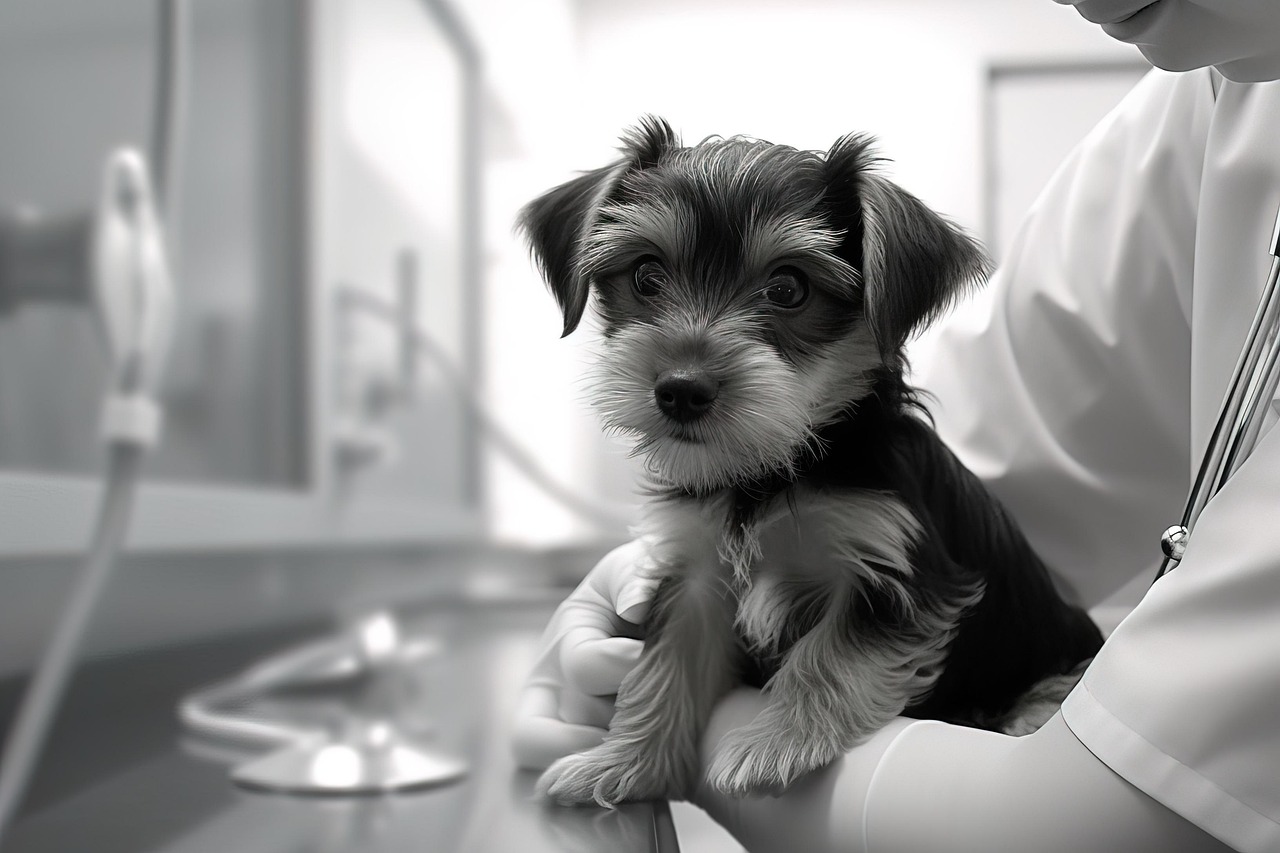

Preparing Your Dog for Vaccination: Tips and Best Practices
Vaccination plays a vital role in protecting your dog from various diseases. Ensuring your pet is properly vaccinated not only enhances its immunity but also contributes to overall public health. It’s crucial to follow a consistent schedule to protect your dog effectively. Consult your veterinarian to establish a vaccination plan based on your dog’s age, health status, and lifestyle. Regular check-ups can help you stay updated on necessary vaccinations. Research what vaccinations are suitable for your dog, including core vaccines such as rabies and distemper, as well as others that might be recommended based on your dog’s specific situation. Awareness of local laws regarding vaccinations is equally important. Keeping your dog’s vaccinations up to date can not only keep them healthy but also ensure compliance with legal requirements. Prepare for each visit by creating a checklist of questions you may have regarding your dog’s health and vaccines. A well-informed pet owner can address any concerns more effectively, ensuring a smoother process for both you and your furry companion.
Understanding potential reactions to vaccinations is essential for responsible pet ownership. After your dog receives a vaccination, watch for any adverse reactions, which can vary from mild to severe. Common mild reactions might include slight fever or lethargy, while more severe reactions could involve difficulty breathing or swelling at the injection site. Contact your vet immediately if you notice anything unusual. This vigilance is essential not only for your dog’s health but also for managing any potential risks associated with vaccines. Some dog breeds may have predispositions to specific reactions, so be aware of these factors to better understand how your dog might respond to vaccinations. Keeping a log of your dog’s vaccination history can be extremely useful for future vet visits. It allows a clear understanding of your dog’s vaccination status and helps facilitate discussions regarding any additional or booster shots required. Educating yourself about the vaccine ingredients and their possible effects further enables you to make informed decisions regarding your pet’s preventative care. To enrich your knowledge, review trustworthy resources online and communicate with your vet concerning any queries.
Creating a Stress-Free Environment for Vaccination
To ensure your dog’s visit to the vet for vaccinations is stress-free, creating a calm and reassuring environment is key. Bringing along your dog’s favorite toy or blanket can provide comfort and familiarity. It might ease anxiety during the appointment. Familiar scents can help to soothe their nerves, making the experience less intimidating. Additionally, getting your dog accustomed to the veterinary clinic prior to vaccination by visiting for simple weigh-ins or health checks can help reduce stress. Positive reinforcement is a great tool in easing anxiety; reward your dog with treats and praise throughout the process. This can help them associate the vet visits with positive experiences rather than fear. Socializing your dog can also reduce anxiety, as it prepares them for new surroundings and people. Try to engage in regular outings to different environments to build their confidence. Regularly scheduled playdates with other dogs can further help in this adaptation process. Remaining calm as the owner is equally vital, as your dog can sense your emotional state during the visit.
Another essential aspect of preparing for your dog’s vaccination is maintaining an optimal health condition. Before any vaccination, your dog should be healthy and free from underlying medical issues. Regular vet check-ups help to identify any potential health concerns, allowing them to be addressed prior to vaccinations. Ensure your dog is eating properly and getting an appropriate amount of exercise. A healthy diet contributes to a stronger immune system, ensuring vaccines work effectively. If your dog displays any signs of illness before a scheduled vaccination, consult your veterinarian for guidance on whether the appointment should proceed. Sometimes, delaying vaccinations might be necessary to avoid further health complications. Consider scheduling vaccinations during a time when your dog is least likely to be stressed, such as after a long walk or play session. Building a consistent routine surrounding vaccination, including regular veterinary visits and check-ups, establishes familiarity for your dog. This routine reduces anxiety and ensures your dog is always in the best health possible for vaccinations, which is essential for their overall well-being.
Educating Yourself About Vaccination Protocols
It’s imperative for dog owners to educate themselves on vaccination protocols to ensure they meet their pet’s healthcare needs effectively. Understanding the distinction between core and non-core vaccines will help you make informed decisions. Core vaccines are essential for all dogs, while non-core vaccines depend on the individual dog’s lifestyle or geographical location. Resources such as the American Animal Hospital Association (AAHA) guidelines or the American Veterinary Medical Association (AVMA) recommendations can be helpful in familiarizing yourself with vaccination needs. Moreover, discussing any concerns with a trusted veterinarian is essential. Each dog is unique and may require specific vaccinations depending on various factors. Keeping abreast of emerging diseases and recommended vaccinations for your area further informs your choices. Local outbreaks or regional concerns may affect what vaccinations your dog should prioritise. Ensuring that your dog’s vaccination records are complete and well-documented can help in mitigating any potential gaps in their vaccination history, providing peace of mind and ensuring their protection against preventable diseases.
After your dog’s vaccination, it’s important to monitor their behavior for any prolonged side effects. Many pets have mild reactions following the vaccination, but you should know how to differentiate between normal responses and those that require veterinary attention. Providing a comfortable and quiet space at home for your dog post-vaccination allows them to rest and recover. Offer plenty of water and their favorite meals to make them feel at ease. Encouraging light activity can facilitate recovery, but ensure to limit strenuous exercise until your dog feels completely normal. Regularly observing your dog for any unusual symptoms, such as continued lethargy, swelling, or loss of appetite, can alert you to potential issues. Engaging in regular communication with your veterinarian post-vaccination is essential so that you can promptly share any concerns. This open dialogue can assist in promptly addressing any complications or necessary follow-ups. By remaining vigilant, you emphasize the importance of your dog’s health and well-being, ensuring a swift return to their energetic self in no time.
Building a Positive Relationship with Your Veterinarian
Establishing a strong relationship with your veterinarian is an invaluable aspect of preparing for your dog’s vaccinations. A positive rapport allows you to communicate effectively regarding your dog’s health needs and vaccination concerns. It’s essential to choose a veterinarian whose philosophy and approach to pet care align with yours. This shared understanding creates a supportive environment and encourages open dialogue about vaccination procedures, potential risks, and side effects. Don’t hesitate to ask questions during visits; the more informed you are, the better equipped you will be to make decisions regarding your dog’s care. Participation in fitness and wellness programs offered by many veterinary clinics can further enhance your pet healthcare experience. By attending educational seminars or workshops, you can stay informed about the latest advancements in veterinary science, vaccinations, and overall dog health. Additionally, a well-rounded understanding of preventive care ensures the longevity and happiness of your beloved pet. Building a collaborative relationship with your veterinarian emphasizes your commitment to providing the best care possible, capable of adapting to your dog’s unique health requirements.
Caring for your pet includes ongoing education about vaccinations, preventive care, and responsive communications with your veterinarian. The benefits of vaccinating outweigh the risks when it comes to safeguarding your dog from serious diseases. Early identification of adverse reactions combined with a solid vaccination schedule enhances the health and safety of your canine friend. By engaging consistently with your vet and remaining informed you contribute positively to your pet’s preventative care. Community resources and educational platforms could further benefit every dog owner in understanding the need for vaccinations. When more pet owners are educated about vaccinations and preventative care, the overall health of the pet population improves tremendously. This results in a healthier community of dogs; this creates a ripple effect that benefits all, including the support and companionship dogs provide in our lives. In conclusion, through proactive measures combined with a strong veterinary partnership, dog owners can effectively prepare their pets for vaccinations, promoting their health and well-being in the process. Lifelong health and happiness for our furry companions rest upon dedicated vaccination efforts paired with responsible and informed pet ownership.