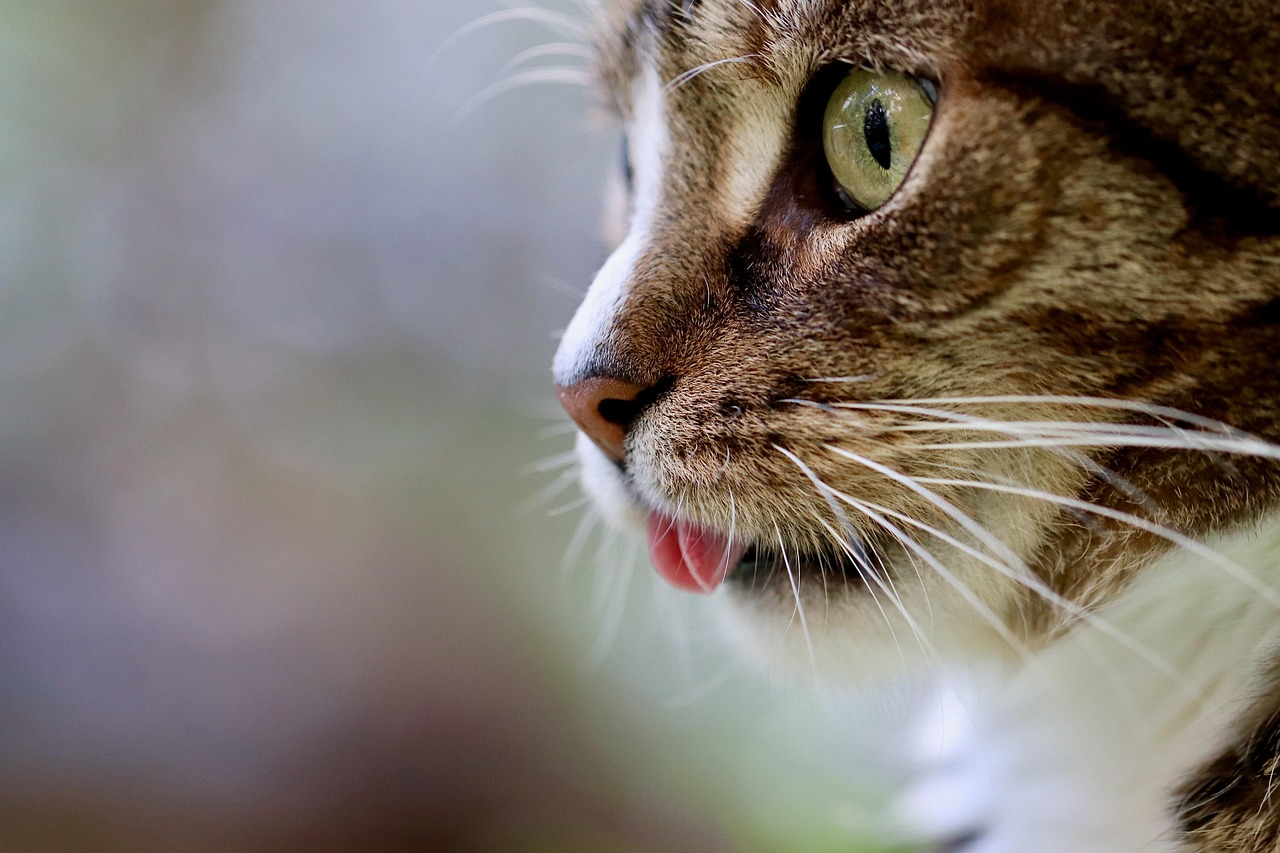

Behavioral Differences Between Young and Old Cats
Cats, like humans, undergo significant changes in their behavior as they age. Younger cats are typically more active, playful, and curious than their older counterparts. Kittens and young adult cats are often full of energy, engaging in excessive play, exploration, and even mischief. Their behavior is characterized by rapid movements, playful pouncing, and a relentless curiosity about their environment. Physically, they tend to have stronger muscles, more agility, and faster reflexes, which contribute to their lively behavior. In contrast, old cats often slow down, showing fewer bursts of energy. They may become more solitary, preferring to lounge in a sunbeam instead of chasing a toy. This shift in lifestyle can be influenced by physical changes like joint stiffness and reduced vision. Moreover, older cats might display behavioral quirks due to cognitive decline, such as wandering, excessive meowing, or litter box issues. Understanding these evolving behavioral patterns helps cat owners adapt to their feline friends’ changing needs and create enriched environments to keep them stimulated and happy.
Play Behavior Dynamics
Playfulness is a critical aspect of a cat’s behavior, particularly in younger cats. Kittens use play to develop their hunting skills and socialize with their littermates. They engage in activities like chasing, pouncing, and wrestling, which help them hone their instincts. Toys such as laser pointers, feather wands, or crinkly balls are instrumental in stimulating their instinctual behaviors, encouraging them to be active. For older cats, however, the approach to play and interaction can be quite different. While some older cats maintain a playful demeanor, many tend to lose interest in play as they age. Their decreased energy levels and physical abilities may hinder their willingness to engage in vigorous play. Instead, older cats might prefer gentler forms of stimulation, such as interactive toys that require minimal physical exertion. Additionally, playtimes should be shorter, focusing on low-impact, mentally stimulating games. Observing how your cat’s preference for play changes is crucial, ensuring their enrichment needs are still met through adaptation and thoughtful consideration of their physical condition and mood.
Social interaction varies greatly between young and old cats. Younger cats are generally more social and enjoy the companionship of littermates or humans. They are more likely to engage in behaviors reflecting affection, such as rubbing against legs, purring, and seeking physical contact. Socialization during their early stages is essential as it helps shape their personalities and comfort with various stimuli. In contrast, older cats may become more reserved and less inclined to seek out social interactions. This change can be due to several factors, including health issues, reduced energy levels, or simply a change in temperament as they become more set in their ways. Some elderly cats might prefer their alone time and find comfort in solitary activities, like lounging or grooming. It is essential for pet owners to recognize these changes and respect their cat’s evolving social needs. Providing spaces for independence while also being available for companionship supports a healthy balance in their changing interactions with family members and other pets, fostering a positive environment for their well-being.
Feeding Behavior Changes
Feeding behaviors can change dramatically in cats as they grow older. Young cats often have high caloric requirements, requiring frequent meals as they expend substantial energy through play and activity. It’s typical for them to be enthusiastic about food, showing eagerness at mealtimes. Young cats often approach their food with excitement, demanding attention and showcasing various behaviors such as vocalizations when hungry. In contrast, older cats may experience a decline in appetite or changes in food preferences, partly due to health conditions or dental issues. With age, cats might also develop food sensitivities or require specialized diets. Therefore, providing a balanced diet involving high-quality protein and essential nutrients is crucial to supporting their health. Moreover, many senior cats run the risk of obesity, so portion control and regular monitoring are essential. Understanding the change in their eating habits not only aids in ensuring their nutrition remains balanced but also keeps them engaged. Adjusting feeding schedules and utilizing puzzle feeders can also provide mental stimulation while helping maintain a healthy weight.
Senior cats often experience a shift in their daily routines and sleep patterns. Younger cats tend to have erratic sleep schedules, displaying high levels of energy and activity during the day and night. Their playfulness often leads to significant activity bursts. However, older cats generally prefer longer sleep durations, often sleeping 16 to 20 hours a day. This increased need for rest reflects their slower metabolism and energy conservation as they age. Older cats might also develop a more defined routine for waking and sleeping, aligning closely with their humans’ schedules. Additionally, age-related changes such as arthritis or other health concerns could lead to disrupted sleep or difficulty getting comfortable. Creating cozy, warm resting spots allows senior cats to relax comfortably, improving their overall well-being. It is essential to respect and accommodate their need for uninterrupted rest, enhancing their quality of life. Monitoring how energy levels and resting habits fluctuate will provide insights into their health and ensure that owners remain attuned to necessary adjustments, fostering an environment that accommodates their aging needs.
Cognitive Changes in Cats
The cognitive abilities of cats can also decline with age, impacting their behavior and interactions. Young cats are typically curious, exploring everything in their environment and reacting quickly to new stimuli. Their ability to learn and adapt is at its peak during this stage. However, as they reach older age, many cats may display signs of cognitive decline, similar to conditions like dementia in humans. Older cats may become confused or disoriented and might also exhibit changes in their response to familiar environments. Some behavioral changes include increased vocalization, disrupted sleep patterns, and altered litter habits. Engaging older cats in mentally stimulating activities becomes essential to slowing cognitive decline. Activities such as puzzle toys, training sessions, or interactive play can help keep their minds sharp. Maintaining consistency in routine, environment, and interactions is crucial to help them feel secure. Understanding these cognitive changes and providing appropriate stimulation and comfort can greatly enhance an older cat’s quality of life, allowing for a fulfilling and engaging experience even in their twilight years.
In conclusion, understanding the behavioral differences between young and old cats is essential for nurturing their unique needs. Individual personalities also influence behavior, with some cats remaining playful and active throughout their lives, while others become more subdued. Younger cats thrive on social interaction, play, and discovery, while older cats value comfort, predictability, and tranquility. As cats’ behaviors evolve, owners can ensure their pets receive the best care by adapting their interactions, routines, and environments accordingly. Providing appropriate play opportunities, social interactions, and nutritional adjustments are pivotal to maintaining a balanced lifestyle. Recognizing the signs of cognitive changes and addressing health issues early on can significantly improve an older cat’s quality of life. Lifelong companionship is filled with challenges but also joys, enriching both owners’ and cats’ lives. An understanding of aging is vital for nurturing the relationship shared, ensuring both cat and owner enjoy every moment shared together. By staying observant and proactive, cat guardians can create a supportive environment that caters to their feline friends’ needs at every stage of life.
In conclusion, understanding the behavioral differences between young and old cats is essential for nurturing their unique needs. Individual personalities also influence behavior, with some cats remaining playful and active throughout their lives, while others become more subdued. Younger cats thrive on social interaction, play, and discovery, while older cats value comfort, predictability, and tranquility. As cats’ behaviors evolve, owners can ensure their pets receive the best care by adapting their interactions, routines, and environments accordingly. Providing appropriate play opportunities, social interactions, and nutritional adjustments are pivotal to maintaining a balanced lifestyle. Recognizing the signs of cognitive changes and addressing health issues early on can significantly improve an older cat’s quality of life. Lifelong companionship is filled with challenges but also joys, enriching both owners’ and cats’ lives. An understanding of aging is vital for nurturing the relationship shared, ensuring both cat and owner enjoy every moment shared together. By staying observant and proactive, cat guardians can create a supportive environment that caters to their feline friends’ needs at every stage of life.