
The Impact of Lighting and Scents on Cat Stress Reduction
Understanding the environment in which your cat resides is vital in promoting a stress-free life. Various factors, including lighting and scents, play significant roles in influencing your cat’s emotional state. A calm atmosphere can help ease anxiety, and knowing how to manipulate these elements can lead to a happier feline. For instance, too much stark or bright light may contribute to stress, making a cat feel threatened or exposed. Therefore, using soft, warm lighting can create a more inviting and relaxed space. You can further enhance this environment with warm light fixtures such as lamps designed for animal comfort. Additionally, certain scents have proven beneficial for cats. Lavender and chamomile are known to be calming and can help reduce fears and anxieties in your cat. Introducing these scents into their environment through sprays or diffusers might significantly lower stress levels. The key lies in careful observation and adjustments based on how your pet responds. Always ensure the products used are safe for animal use. Creating a tranquil space can lead to an overall improvement in your cat’s behavioral and emotional well-being.
Transitioning your home environment to support cat relaxation is essential for their mental health. The combination of gentle lighting and calming scents can set the tone for restful behavior in your cat. When you first introduce changes, it is crucial to monitor your cat’s responses to new elements in their habitat. A pet may initially be skeptical or curious about new scents or lighting. Begin by dimming bright overhead lights during the evenings, providing a more natural evening light feel. Numerous options, including LED bulbs that mimic dusk, can help create this ambiance. Many cats feel more at ease when the home mimics their natural environments. Adding subtle scents, such as those from cat-safe candles or essential oils, will further assist in stress relief. Be mindful of how strong scents might overwhelm a cat’s sensitive sense of smell. Gradually introduce calming scents, and observe if your cat shows signs of relaxation. Benefits of this approach include reducing scratching or excessive vocalizations. Maintaining an ongoing dialogue with your pets about their preferences in this calming environment can help solidify your understanding and improvement of their emotional well-being.
The Role of Natural Light and its Effects on Cats
Natural light is not only a source of illumination but also plays a pivotal role in regulating your cat’s mood and behavior. Cats instinctively respond well to sunlight, feeling happier and more energetic when basking in it. As a caring owner, optimizing your home with ample natural light can be highly effective in reducing stress. Large windows or cat perches near sunlit areas satisfied your feline’s instinctive need to bask and observe their territory. This interaction with sunlight leads to the production of serotonin, often referred to as the ‘happy hormone,’ fostering an environment where your cat feels secure and content. However, it is essential to maintain a balance, especially during peak sunlight hours, as excessive heat may lead to discomfort. Implementing sheer curtains can help diffuse the intensity of direct sunlight while maintaining a connection with nature. During darker months, consider light therapy options that mimic natural daylight. These adaptations present a perfect opportunity to improve your home, catering to your cat’s instincts and ensuring their happiness through simple yet effective changes.
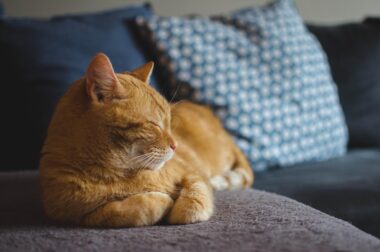
Alongside natural light, adding various cosy resting spots throughout your home can foster a relaxed atmosphere while utilizing gentle lighting. Cats are notorious for seeking out small, enclosed spaces, so providing various comfortable bedding options might alleviate their stress. Creating shaded areas with soft lighting not only invites your cat into new safe zones but also promotes their natural behaviors such as hiding and lounging. Incorporating different surfaces with these resting spots, such as fleece, cotton, and natural materials, can offer them comfort tailored to their preferences. Location matters, too; observe where your cat tends to feel more relaxed and place these items in areas that you recognize as safe to them. It’s essential that these areas feel private, as this perception of safety allows a cat to unwind fully. Additionally, don’t underestimate the importance of the atmosphere. The correct combination of light and cozy spots can create an inviting environment to ensure that your pet can truly rest. Ultimately, your cat’s well-being hinges on how well you fulfill their instinctual needs within a modern living space tailored to their preferences.
Implementing Scents for Stress Reduction
Scents can heavily influence your cat’s behavior and emotional state, providing another dimension of stress reduction. As mentioned, certain scents can promote relaxation, while others could evoke curiosity or anxiety. It’s critical to research which scents are safe and beneficial, ensuring you benefit your furry friend. Catnip is a prime example; while it induces playful behavior in some cats, it can be a calming agent for others. Additionally, herbal solutions include valerian to soothe frayed nerves. Use these scents cautiously, as cats may respond differently based on their dispositions and past experiences. Try using essential oil diffusers; however, always prioritize safety by avoiding concentrated oils that could irritate your pet. It is also advisable to offer scents gradually to monitor their reactions. Some cats may display negative behaviors when overwhelmed by strong fragrances. Investing in calming products fortified with essential oils designed explicitly for cats can ensure effective application without adverse effects. Ultimately, the objective is to enhance their peaceful states through the strategic incorporation of appealing scents to enrich their everyday life.
Establishing a calming routine in conjunction with light and scents can lead to stress reduction. Routine, predictability, and familiarity preserve a sense of comfort that is essential for pets, especially for those prone to anxiety. Establish feeding and playtime schedules, effectively teaching your cat that safety prevails in their surroundings. These routines can also integrate light and scent adjustments, as reinforcing positive behaviors aligned with these environmental factors fosters calmness. Use warm and soft lighting during these scheduled activities for relaxation. Pair these routines with calming scents during playtime or feeding can promote a serene environment. Encouraging interaction through gentle play, enriched by ambient light and enticing scents, creates moments of joy and relaxation. This holistic approach to stress management can facilitate bonding and foster trust between you and your beloved feline. As your cat begins to associate specific scents and lighting with pleasant experiences, you will notice a calmer demeanor as a result. Ultimately, taking these multifaceted approaches allows you to provide your cat with a safe space where they can wholly relax and restore themselves.
Conclusion: Personalized Cat Comfort
The journey towards providing the ideal environment for your cat requires time and patience. Maintaining a balance of natural light, appropriate soft lighting, and calming scents culminates in a reassuring and supportive habitat. Every cat is unique, so observing their responses to changes is critical. Some cats might respond favorably to the introduction of certain scents, whereas others may remain indifferent. Tailoring your interventions, such as regularly adjusting lighting levels and scents based on their feedback, becomes essential in achieving an optimum living space. It’s not merely about adding elements but finding the right combination that resonates with your cat. Creating that personalized sanctuary empowers your cat to feel safe and secure, fostering peace in their daily lives. Continue experimenting with various natural elements, ensuring you build a comforting environment free of stress. Whether through gentle light, comforting scents, or familiar routines, employing these strategies will lead to enhancing your cat’s mental well-being. Prioritize their emotional state as much as their physical health, and invest in personalized touchpoints for a lasting bond built on trust, relaxation, and happiness.
Reflecting on these approaches can create transformative changes in your cat’s life. Building an peaceful environment emphasizes the importance of understanding and meeting your pet’s unique needs. By addressing lighting and scent, you create an atmosphere that embodies calmness. The strategies discussed are not only practical but also attainable in any home environment. Consider making adjustments in your personal space that meet your cat’s preferences and foster a nurturing atmosphere where they can thrive. Through a combination of natural light to brighten their environment, soothing scents for relaxation, and structure through familiar routines, you cultivate a balanced lifestyle for your feline companion. Such adaptations do not just improve their quality of life but contribute to their overall happiness. Recognize their unique responses to smell and lighting, and adjust accordingly, ensuring that your strategies succeed. If your cat already demonstrates signs of stress or anxiety, implementing these changes gradually can lead to remarkable improvements in their behavior. Prioritize your cat’s emotional needs, and experience the positive ripple effect across their well-being and overall quality of life.