
Essential Guide to Using Clippers for Dog Grooming
Using clippers for dog grooming is a skill that requires practice and the right equipment. Clippers come in various types, so it’s essential to choose the right one for your dog’s coat type. For example, a heavy-duty clipper is necessary for thick or matted fur, while lighter models work well for finer coats. Before you start, ensure all equipment is clean and sanitized to prevent infections. Always have extra clipper blades available, as they may dull during use. Accumulating hair can affect the performance of your clippers, so regular cleaning is vital. Choose a well-lit area with a non-slip surface to work on, making it easier to groom your pet efficiently. Another good idea is to practice on a stuffed animal to familiarize yourself with the clipping process. When you start clipping, always move in the direction of your dog’s hair growth to ensure a smooth cut. Patience is crucial here; if your dog is anxious or restless, take breaks and ensure they’re comfortable throughout the grooming session.
Preparing Your Dog for Grooming
To prepare your dog for grooming with clippers, begin with a calm and relaxed environment. Introduce your dog to the clippers slowly so they can get accustomed to the sound and vibrations. Use treats and praise to create a positive association. Start grooming by brushing your dog’s coat thoroughly, removing any knots or tangles. This process makes it easier for the clippers to glide. It also helps prevent discomfort during the clipping process. Ensure that your dog is clean and dry before using clippers to achieve the best results. Regular baths before grooming can keep your dog’s coat manageable and clean. During grooming, keep the clipper close to your dog’s body but don’t press too hard. Maintain a steady hand to avoid accidental cuts or nicks. Always monitor your dog for any signs of anxiety or discomfort; if your pet becomes agitated, take a short break to reassure them. After grooming, remember to reward your dog for their cooperation. This will make future grooming sessions easier because they’ll associate the clippers with positive experiences.
Choosing the right clippers is crucial when grooming your dog. Factors such as your dog’s coat type, length, and thickness will influence your selection. For short-haired breeds, a lighter clipper will often suffice, while long-haired breeds may need a more robust model. Investing in a quality clipper can save time and money in the long run. Inferior clippers can cause unnecessary pulling or uneven cuts, bad for your dog’s comfort. Additionally, make sure to look for clippers with interchangeable blades. This feature allows you to adjust the blade length based on your grooming needs. If your dog has sensitive skin or a fear of clippers, consider a silent or low-vibration model to reduce stress. Before engaging your clippers, always check battery performance if cordless. Expect insufficient power to hinder the grooming process. Safety is paramount; prevent cords from becoming entangled while working. After each use, clean your clippers thoroughly, lubricate the blades, and store them properly to extend their lifespan. Follow the manufacturer’s instructions to maintain optimal performance, ensuring each grooming session is as effective and efficient as possible.
Techniques for Clipping Dogs
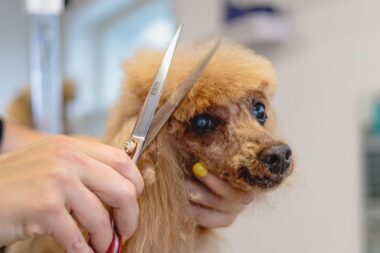
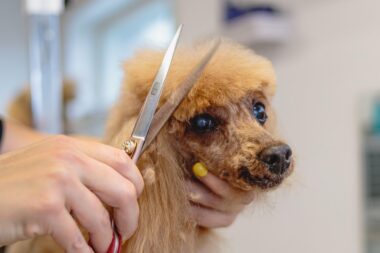
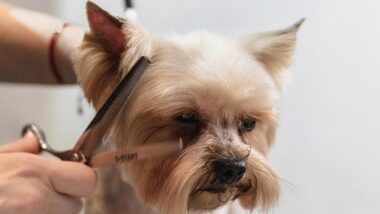
When clipping your dog, employing the correct techniques can make a significant difference in the final result. Start by familiarizing yourself with your clippers and listening to their sound. It’s best to begin in an area where you can control the situation. Always hold the clippers firmly but gently so they don’t slip during use. Begin by working on less sensitive areas of your dog’s body, such as the back or sides, before moving to more sensitive areas like the face or paws. Gradually increase your pace as you become comfortable, ensuring to continually check your dog’s reaction. Maintain a consistent angle while clipping to achieve a smooth and even cut. Pivot and adjust as needed, working with the hair growth direction. Be mindful of not pushing too hard against the skin to prevent cuts or irritation. After each section, stop and inspect your work, ensuring there are no patches or uneven areas. Due to the nature of the work, taking frequent breaks helps both you and your dog to remain calm and composed during the grooming process.
After clipping, it’s essential to finish the grooming process properly. A bath following clipping will help remove any loose hair and debris left behind. Use a gentle shampoo suitable for dogs, as human shampoos can irritate their skin. Rinse thoroughly to prevent residue buildup, which can lead to skin issues. After the wash, thoroughly dry your dog’s coat using a towel or a pet dryer set to low heat. Be cautious around the ears and face, as excess moisture can be irritating. Once dry, consider applying a conditioning spray or coat polish to enhance the coat’s shine and softness. Regular grooming will help in keeping your dog looking good and feeling comfortable. Additionally, establishing a grooming schedule can help spot any underlying skin conditions early. Schedule appointments based on your dog’s coat type; longer-haired breeds may need sessions every few weeks, while short-haired breeds may be manageable every few months. Consistency is key to maintaining their grooming needs effectively and ensuring your pet’s coat and skin remain in excellent condition.
Common Mistakes to Avoid
While using clippers for dog grooming, avoid common mistakes that can affect grooming quality or harm your pet. One significant error is using dull blades, which can pull hair rather than cut smoothly, causing discomfort. Always check blades before starting; replace or sharpen them when necessary. Another common mistake is not securing your dog properly. Failing to keep your dog still might lead to accidents, so use a harness if necessary. Additionally, do not rush the process; taking your time is crucial for achieving a polished look. Skipping the prep work, such as brushing beforehand, can lead to clipped hair being uneven and left behind. Maintain a calm environment; loud noises or chaotic atmospheres can make dogs anxious. Also, always check the cord length if using corded clippers; restrict movement can create problems when grooming. Communication is vital, so regularly reassure your dog throughout the session. Pay attention to their body language, and stop if they show signs of stress or fear. Understanding and avoiding these common pitfalls will ensure both you and your dog have a more enjoyable grooming experience.
Regular grooming not only keeps your dog looking great, but it also has health benefits. Maintaining your dog’s coat helps prevent matting, tangling, and the buildup of dirt or debris. These issues can be uncomfortable for your pet and lead to skin irritations. Clipping reduces shedding, especially in seasonal transitions, which in turn can minimize allergens in your home. Alongside maintaining their coat, regular grooming offers an opportunity to check your dog’s skin for any discomfort or abnormalities. Look for lumps, pimples, or variations in skin color. Also, always monitor for ticks or fleas, which may hide in their fur. Healthy grooming routines can promote bonding between you and your pet; affection and patience help create trust. Additionally, incorporating regular nail trimming and ear cleaning into your grooming sessions is vital for overall hygiene. Investing in quality grooming tools and learning proper techniques can elevate these practices and ensure your dog is looked after holistically. With the right approach, grooming can become an enjoyable ritual rather than a stressful chore. Embracing this time together can significantly strengthen your relationship with your furry friend.