
How to Teach Kids to Safely Brush and Comb Dogs
Brushing and combing dogs is an essential part of grooming and can be a fun, rewarding activity for kids. To start, explain the importance of grooming for a dog’s health and comfort. Emphasize that regular brushing removes dirt, prevents matting, and keeps their coat shiny. Choose a calm dog that is familiar to your child for the first grooming session, ensuring a positive experience. Supervise your child closely during this time, teaching them the right techniques. Show them how to hold the brush or comb and to work gently through the dog’s fur. Safety should come first, especially by explaining how to be cautious around sensitive areas. Review proper tools, such as a soft brush for short-haired dogs or a wide-toothed comb for long-haired breeds. Encourage your kids to be gentle and patient, rewarding their effort. By fostering a positive attitude towards grooming, children will grow to love the experience and develop a bond with their pet. Teaching them also instills responsibility, which is essential for nurturing their sense of care towards animals in general.
Before your children begin brushing, it’s important to gather the right supplies to ensure a smooth grooming session. Begin by collecting a quality brush suitable for your dog’s coat type, alongside a comb, dog treats, and a comfortable place for both your dog and child to sit. Use the dog treats to reward your pet during the grooming, which will help them associate the experience with positive reinforcement. A dedicated grooming area should be tidy and free from distractions, providing a calm environment for both your child and dog. This routine helps to instill the importance of creating a safe and organized space. Teach your kids to assess their dog’s demeanor before starting; if the dog seems anxious or uncomfortable, it may not be the right time for grooming. Show your child how to gently approach the dog and introduce the brush gradually. Remind them to check for any signs of stress in the dog, such as ears back or tail tucked. This way, your children learn not only grooming skills but also how to read animal body language, ensuring a compassionate approach toward their furry friend.
Steps to Proper Brushing Technique
Now that your child has gathered the necessary supplies, it’s time to teach them the proper brushing techniques. Begin by demonstrating how to approach the dog calmly and gently. Show them how to start brushing from the dog’s head, working your way toward the tail. Use slow, smooth motions to ensure the dog remains comfortable throughout the process. Teach your child to brush in the direction of the fur growth; this keeps the dog relaxed and avoids causing any pain or discomfort. If they encounter knots or tangles, demonstrate how to hold the fur firmly at the base while working through the tangle gently. Moreover, remind them to pay extra attention to areas that are prone to matting, such as behind the ears and under the legs. Make sure to encourage them to pause regularly and check in with the dog’s comfort level. It’s crucial to maintain a positive interaction by speaking calmly and offering gentle pets. By learning this technique, kids experience the satisfaction of contributing to their pet’s well-being, fostering a deep emotional connection along the way.
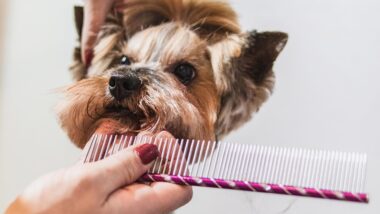
As your child becomes more confident in their grooming abilities, teach them the importance of different types of brushes and their specific functions. Explain how different breeds may require specialized grooming tools such as slicker brushes for removing loose fur and undercoat rakes for preventing matting. Familiarize them with grooming gloves, which are great for brushing short-haired dogs, and their ease of use. Introduce the idea of cleaning the brushes after each session to maintain hygiene and prolong the tools’ lifespan. Create a routine for kids to check for loose fur on the brushes, which can also teach them responsibility for their grooming supplies. Additionally, involve them in caring for the dog’s health by checking the skin while brushing. Teach them to look for any unusual bumps or irritations during grooming sessions. This not only helps them become more observant but also educates them about the importance of monitoring pet health regularly. Through this knowledge, children learn more about pet care and how to establish a connection with their furry companions while enhancing their time together.
Establishing a Grooming Schedule
Once your child has mastered the basic brushing techniques, it’s time to establish a consistent grooming schedule that works for your family. Discuss with them the frequency of grooming required based on your dog’s coat and breed. For example, long-haired dogs may need brushing several times a week, while short-haired breeds can usually get by with once a week. Create a visual grooming chart that your child can mark every time they successfully complete a brushing session. This not only makes the process fun and engaging but also encourages accountability. Involve your child in the planning process, allowing them to express their preferences regarding the timing and frequency of grooming sessions. Emphasize the importance of making grooming a part of their routine, turning it into a shared bonding experience. Ensure that they understand the benefits of consistency, as regular grooming reduces shedding and maintains a healthy coat. By incorporating grooming into a proper routine, the dog will remain comfortable, and your child will learn to perceive grooming as an enjoyable bonding activity rather than a chore.
Using positive reinforcement is crucial when teaching children how to groom dogs. Praise them frequently during and after each session to build their confidence and motivate them to continue grooming. Both the dog and child will benefit from your encouragement, making the overall experience enjoyable. Incorporate fun elements, like rewarding the dog with treats after each successful brushing session, which helps solidify the dog’s positive association with grooming. Consider giving your child a special grooming certificate after a certain number of sessions, celebrating their commitment and dedication. You can also create a small family event where every family member takes turns grooming, which can make it more exciting and teach teamwork. Allowing your child to take part in sharing responsibilities fosters a sense of cooperation and builds passion for pet care. Ensure that your child understands the lifelong importance of responsibly taking care of pets, as it encourages empathy, compassion, and commitment towards animals. This foundation of compassion will aid them in nurturing positive relationships with pets and their peers in the future.
Conclusion: The Joy of Grooming
Grooming isn’t just about maintaining a dog’s appearance; it’s an opportunity for children to bond with their pets while understanding animal care. By teaching kids to brush and comb their dogs safely, we instill crucial lessons in responsibility, empathy, and attentiveness. As they become more skilled and confident in their grooming abilities, children foster a deep emotional connection with their pets and develop a sense of ownership in their pet’s well-being. It’s essential to celebrate each milestone during this learning process, as this helps maintain a positive outlook toward animal care. Encourage kids to take ownership of the grooming schedule, creating an atmosphere of excitement around each session. By fostering a nurturing environment for both child and pet, we pave the way for lifelong friendships built on trust and love. The skills and values learned through this experience will stay with children as they grow, shaping their interactions with animals and cultivating a sense of responsibility for those in their care. Ultimately, grooming sessions can become cherished moments of joy, learning, and bonding that last a lifetime.