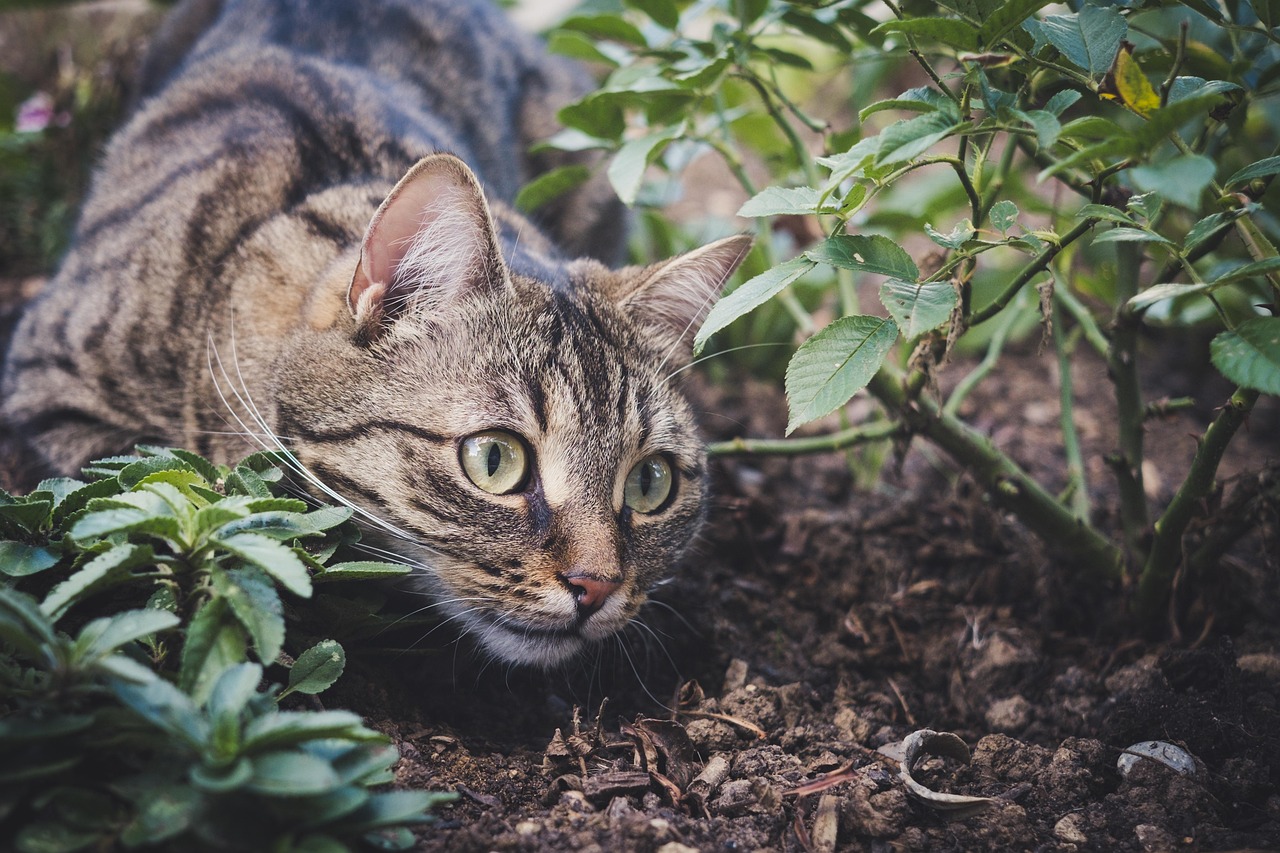

Signs of Stress in Senior Cats Outdoors
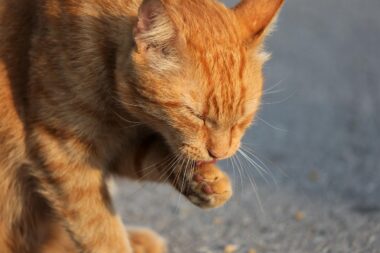
Senior cats, while enjoying the outdoors, can experience various stress signs that owners should recognize. If your feline friend shows signs of stress when outdoors, it’s essential to identify them early. One common sign is hiding, where they seek sheltered spots for safety. Another distress signal could be excessive vocalization, either meowing or growling. Pay close attention to body language. Ears pinned back, a puffed-up tail, or crouching low can indicate fear or unease. If your senior cat is suddenly unusually aggressive or defensive, this may reflect stress in their environment. Watching out for unusual grooming habits is equally important; over-grooming can indicate anxiety. Moreover, if they stop eating or drinking while outside, this is a concerning sign of stress. Observe their reaction to other animals or loud noises; fear responses are red flags. It’s crucial to monitor their behavior closely when outdoors for any sudden changes, as these can signal discomfort or distress. Always prioritize their safety and comfort while outside, ensuring the area is secure and familiar, as this can reduce anxiety and enhance their well-being. Regular outdoor assessments allow for timely interventions.
If your senior cat is showing signs of discomfort, it’s vital to understand the environmental triggers.
Look out for things they usually enjoy that seem to scare them now. If they are hesitant to explore certain areas they used to love, this shift can indicate increased anxiety. Evaluate potential stressors like the presence of dogs, loud machinery, or even unfamiliar humans close by. It may be necessary to limit their outdoor time in these situations until they feel more secure. If your cat is startled by sudden noises, observe how they react; retreating quickly or hiding can suggest vulnerability. Additionally, changes in behavior such as pacing back and forth or repeatedly returning indoors should not be overlooked. These actions are common signals of unease. An overall lack of enthusiasm for outdoor activities that they once enjoyed can point towards lethargy or stress. Make the outdoor environment more safe and predictable, as familiarity brings comfort. You can also help by setting up a quiet, secure outdoor area that encourages exploration at their own pace while minimizing stressors, allowing for gradual acclimatization.
Physical Symptoms of Stress
Senior cats may exhibit physical symptoms when they feel stressed outside. These can manifest in various ways, including increased heart rate and rapid breathing, noticed when they are frightened. If you observe your cat panting or trembling, it’s crucial to recognize these signs as stress markers. Another significant signal is dilated pupils. If their eyes appear unusually large, it indicates heightened anxiety. Monitoring their grooming habits is also vital; excessive grooming can lead to hair loss or skin irritation, both signs of distress. While outdoors, a senior cat might show restlessness, pacing back and forth or looking for exits, further indicating anxiety. If they suddenly begin to shed more fur or develop skin issues, these can relate to stress factors in their environment. Keeping an eye on their appetite is also critical; a decreased interest in food or treats while outside could suggest an uncomfortable or unsafe feeling. If these physical signs occur, it is essential for the owner to create a safe and secure outdoor space that limits exposure to stressors. Providing a calming environment with familiar scents can aid in alleviating their stress.
Recognizing behavioral changes in your senior cat can help in monitoring their overall well-being. Sudden aggression, such as hissing or swatting, towards people or other animals can arise due to heightened stress levels. If a normally calm cat becomes irritable, it’s essential to assess their surroundings for potential threats. Increased hiding behaviors are also a common sign that your cat feels insecure. If they frequently retreat to secluded spots rather than freely exploring, stress may play a role. Another indication is reversed behavior; an older cat that initially enjoyed outdoor excursions may suddenly become reluctant to venture outside. Listen to their vocalizations carefully; if they become more distressed or fearful, this could signal environmental stressors affecting their outdoor time. Watch for withdrawal from interactions with both humans and other pets; this may signify emotional distress. If your cat avoids playtime or socializing, it’s crucial to ensure their outdoor experiences are low-pressure. A gradual introduction back to the outdoors in a controlled setting can help them regain their confidence. Careful monitoring, along with a comfortable outdoor atmosphere, can significantly improve their emotional state.
Safe Outdoor Practices
Implementing safe outdoor practices can help alleviate stress for senior cats. Using a harness and leash allows for controlled exploration without the dangers of open space, helping them set their pace while feeling secure. It’s vital to remember that the outdoor world can be overwhelming through unpredictable elements. Having a familiar space, such as a designated area in your yard, will provide comfort. Regularly check for potential hazards like pesky insects and sharp bushes, which can cause both physical and emotional discomforts. Additionally, creating a shaded retreat with cozy spots to lie will encourage them to relax between explorations. Regular routine and limited exposure to intimidating neighbors or loud noises can allow for gradual acclimatization. Keeping their favorite toys nearby during outings can provide distractions and elevate confidence levels. Always reward positive behavior with treats, encouraging positive associations with the outdoors. Gradually extending their outdoor time promotes exploration and comfort. Ensure hydration is available to encourage them to enjoy their outdoor time safely, as older cats can easily become dehydrated. Seasonal weather considerations, too, should play a role in your outings, keeping them from overheating or becoming unwell.
Engaging in gentle behaviors will enhance the outdoor experience for senior cats.
Allowing them to explore at their leisure benefits both their physical and emotional health. Every cat is different, so understanding their comfort zones is essential. When you notice signs of stress, responding timely can prevent anxiety from developing further. It’s crucial to avoid pushing them too quickly into unfamiliar situations. A gentle and soothing approach, such as sitting quietly while they observe their environment, helps build their confidence. Encourage positive exploration with calm encouragement. Moving slowly and allowing them to set the pace will make them feel in control. Creating a stimulating environment filled with safe toys or encouraging interaction with familiar scents can also alleviate anxiety. If your cat engages cautiously, allow them room to retreat when the situation overwhelms them, promoting feelings of safety. A quiet, calm voice can reassure them during these moments. Make their outdoor experiences pleasant and stress-free by eliminating external stressors and creating a peaceful setting. Tailoring your approach to your senior cat’s needs ensures they remain happy and healthy, enjoying time outdoors without undue stress.
Conclusion
Recognizing signs of stress in senior outdoor cats is vital for ensuring their well-being. Understanding their triggers allows for necessary interventions, creating a safer and more enjoyable outdoor experience. Monitor physical signs, behavioral changes, and overall demeanor while outside. By implementing safe practices, providing familiar surroundings, and learning their comfort zones, you can help mitigate stress. Encourage exploration while ensuring that you respond to distress signals quickly. Allow them the freedom to engage with their environment at their own pace, assuring them that it is a safe space. A supportive approach contributes to better mental health for senior cats. Regularly assess their outdoor time for changes, adapting as necessary. Additionally, always consider environmental safety, allowing for a smooth transition to outdoor adventures. Prioritizing your senior cat’s emotional health not only enriches their outdoor experiences but also strengthens the bond between you and your pet. By recognizing stress signs and taking proactive measures, you can ensure their continued enjoyment of outdoor life, ultimately leading to a long, happy, and fulfilling life. Incorporating these practices guarantees they thrive as cherished companions both at home and outdoors.
Outdoor adventures can be a source of joy and stress. By staying observant and informed, you help keep them happy and safe.