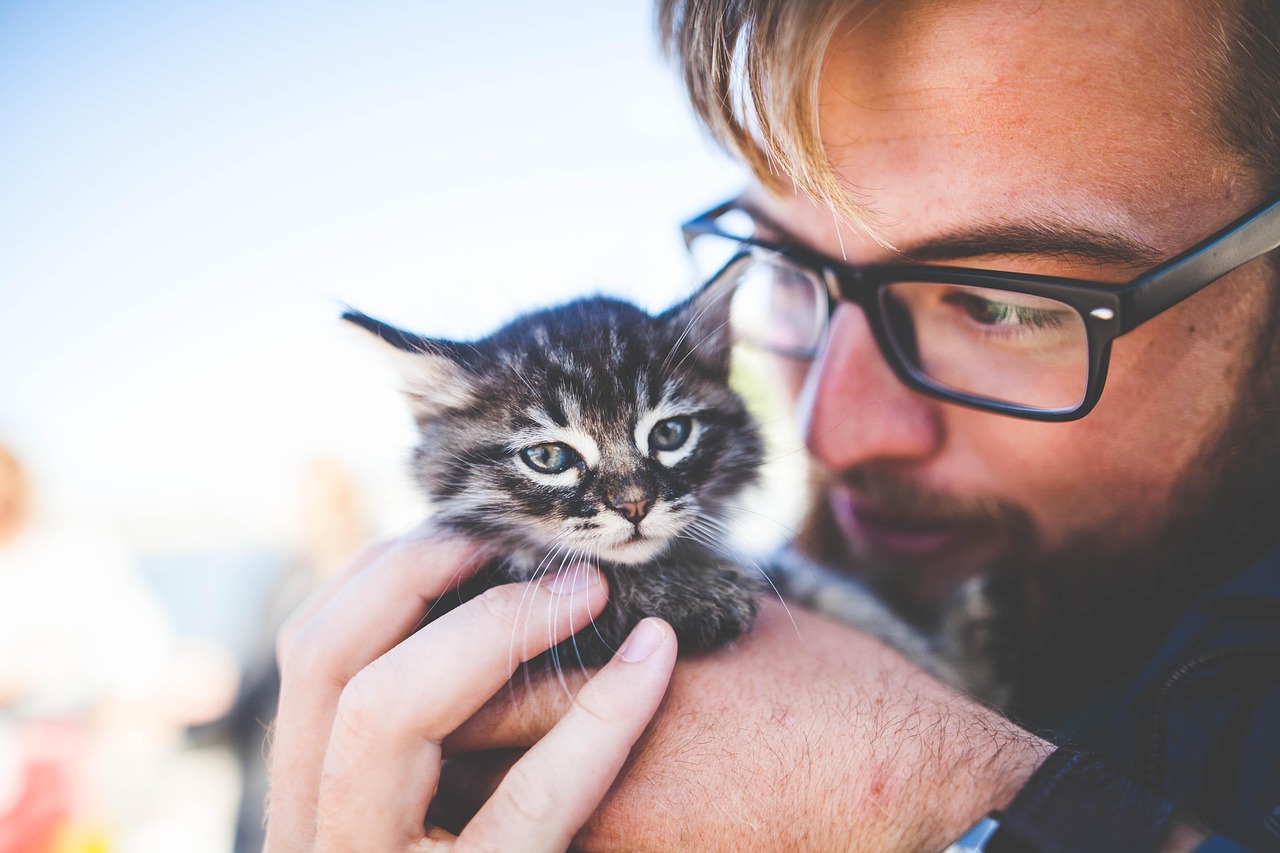

Side Effects and Care After Your Kitten’s Vaccination
Vaccinating your kitten is essential for their health and well-being. After vaccination, it is important to observe for any possible side effects, ensuring your kitten remains comfortable and healthy. The most common side effects include mild lethargy and a slight fever, which typically resolve within a day. Your kitten may also exhibit a decreased appetite for a short period. This is often a natural response to the vaccine. In rare cases, reactions can be more severe, and it’s crucial to monitor your kitten closely. If you notice excessive swelling at the injection site, persistent vomiting, or difficulty breathing, you should consult your veterinarian immediately. Keeping your kitten in a quiet, comfortable environment can significantly help them recover. Providing fresh water and their favorite food will help them regain their strength. Also, always ensure your kitten has a soft area to rest and feels secure. A cozy bed and some soft toys can create a comforting atmosphere after vaccination. Consistent observation for any changes in behavior is key to ensuring your kitten’s speedy recovery.
Make sure to discuss any concerns with your veterinarian before the vaccination and after if your kitten exhibits any side effects. It’s essential to know what to expect following each vaccine and how to provide the best care possible. Some kittens may feel more sensitive and in need of attention after their shots. Providing gentle petting and monitoring their behavior can help you identify any concerning changes. When assessing your kitten’s health, scheduling follow-up visits with your veterinarian ensures any potential complications are addressed promptly. Throughout this process, remember that vaccinations are a crucial preventative measure. They not only protect your kitten from dangerous diseases but also minimize risks to other animals in the community. It is advisable to maintain a vaccination schedule that aligns with your veterinarian’s recommendations. Keep track of their vaccination records, noting down dates and types of vaccines given. This will help you in making future appointments and ensuring your kitten stays on track with their health plan. Being proactive about your kitten’s health is essential in their early development and overall happiness.
Post-Vaccination Monitoring
After your kitten’s vaccination, monitoring them closely is essential. Look for any signs of discomfort or unusual behavior such as lack of energy, limping, or sensitivity around the injection area. These signs are usually mild and resolve quickly, but awareness of any growing severity is important. If your kitten seems to experience increased swelling, consult your veterinarian without hesitation. Providing a calm environment plays a crucial role in their recovery process. Simple things like keeping the noise level down and minimizing interactions with overly active pets can help. Additionally, ensure your kitten feels safe by placing them in a quiet room for rest. You may also want to limit their activity for a few days post-vaccination to prevent additional strain. This is especially important if you notice any swelling at the site of the vaccine. Always ask your veterinarian about specific instructions for monitoring your kitten based on their particular situation. Keeping their vaccination card updated is also key in tracking progress while ensuring they are on schedule with annual vaccinations or boosters.
Consult with your veterinarian on the best timing for follow-up appointments to evaluate your kitten’s response to the vaccination. Vaccines contribute significantly to your pet’s health, protecting them from various illnesses. Being diligent in your monitoring practices means that you can catch any potential reactions early, allowing for timely intervention. Common issues post-vaccination can include pain at the injection site or mild fever. If you administer any medications as prescribed, ensure they are given on schedule and follow dosage recommendations diligently. A regimen of health checks, including weighing your kitten and observing their appetite, helps ensure they remain on their healthy path. Encourage them to remain active by engaging them with play as soon as they feel up to it. Also, using a laser pointer or soft toys may stimulate their interest without causing much fatigue. After some time, you can offer additional treats and rewards during play to positively reinforce their recovery. These actions can bring back normal energy levels while also providing comfort to your kitten.
Hydration and Nutrition
Proper hydration and nutrition are vital components of your kitten’s recovery after their vaccination. Ensure fresh water is readily available, as hydration will help detoxify their system post-vaccine. Kittens may need encouragement to drink, especially if they feel lethargic. You can entice them by offering their favorite food or by trying different bowl types. High-quality kitten food is essential for regaining strength and vitality. Pay attention to their appetite; if they refuse food for more than a day, it may be time to consult your veterinarian for advice. If necessary, you can warm the wet food slightly to enhance its aroma. Sometimes, a little bit of tuna juice can entice even the most finicky eaters. Monitor how much they eat and share any concerns with your pet healthcare provider, who can offer appropriate strategies. Nutritional supplements can be considered if your kitten isn’t eating well enough. Continuing to provide love, attention, and reassurance throughout this process will support emotional recovery. A calm, loving presence helps them feel secure while understanding that their body is working hard to adjust.
After the vaccination, it’s important to create a nutritious menu plan; ensure that the food they consume is high in protein and essential vitamins. This aids in the healing process and helps in building their immune system. Introducing natural probiotics can promote good gut health, especially if their appetite dipped after the shots. Evaluating their overall well-being by tracking weight changes is also beneficial in spotting any health abnormalities early. Keep in mind that some vaccines leave kittens feeling slightly sore, resulting in decreased mobility. You can manage any discomfort with advice from your veterinarian if needed. Furthermore, adjusting their feeding schedule can encourage them to eat more frequently without overwhelming them, ensuring they receive the proper nutrition. Regularly providing positive reinforcement during feeding and gentle playtime contributes to their mental well-being. Additionally, keeping a consistent daily routine will provide a sense of normalcy for your pet during recovery. A healthy little kitten feeling energetic will respond better to their environment, leading to happier interactions.
Follow-Up Care
Follow-up care after vaccination is an integral part of your kitten’s health journey. Scheduling regular vet visits will ensure your pet remains on track with vaccines and any required boosters. It also allows their healthcare provider to monitor their growth and any concerns during their developing months. An annual check-up is advisable as your kitten transitions into adulthood. Being proactive in maintaining your kitten’s health can prevent potential diseases later in life. Your veterinarian will offer tailored healthcare guidance based on your pet’s individual needs. Most importantly, trust your instincts as a pet owner; if something seems off, seek professional assistance without delay. Documenting health changes can also foster clear communication during vet appointments. Changes in behavior, such as increased aggression or withdrawal from social interactions, may be insightful data for your veterinarian. Encouraging play and socialization with other animals can help assess if your kitten’s behavior is normal. Engaging in educational pet care resources is also helpful. Your commitment to monitoring their health will positively affect their quality of life in the long run.
In conclusion, understanding side effects and providing care after your kitten’s vaccination is critical to their overall health. Observing them for any abnormalities post-vaccination ensures that they are healing properly without complications. Creating a safe recovery environment and establishing a nutritious diet will promote quick healing. You will want to focus on hydration, gentle play, and regular vet check-ups to ensure continuing great health. Don’t hesitate to address any side effects with your veterinarian, as early detection often leads to better health outcomes. Your role as a pet owner is vital in ensuring their smooth transition through vaccination phases. Every action taken, whether it’s creating a supportive atmosphere or maintaining a routine, helps streamline your kitten’s health management. Therefore, always keep an open line of communication with your veterinarian for guidance tailored to your kitten’s specific needs. Familiarizing yourself with standard protocols and vaccination schedules creates a positive experience. Your efforts instill trust and comfort in your pet while navigating this journey. In time, your well-cared-for kitten will thrive, enjoying a healthy and happy life as part of your family.