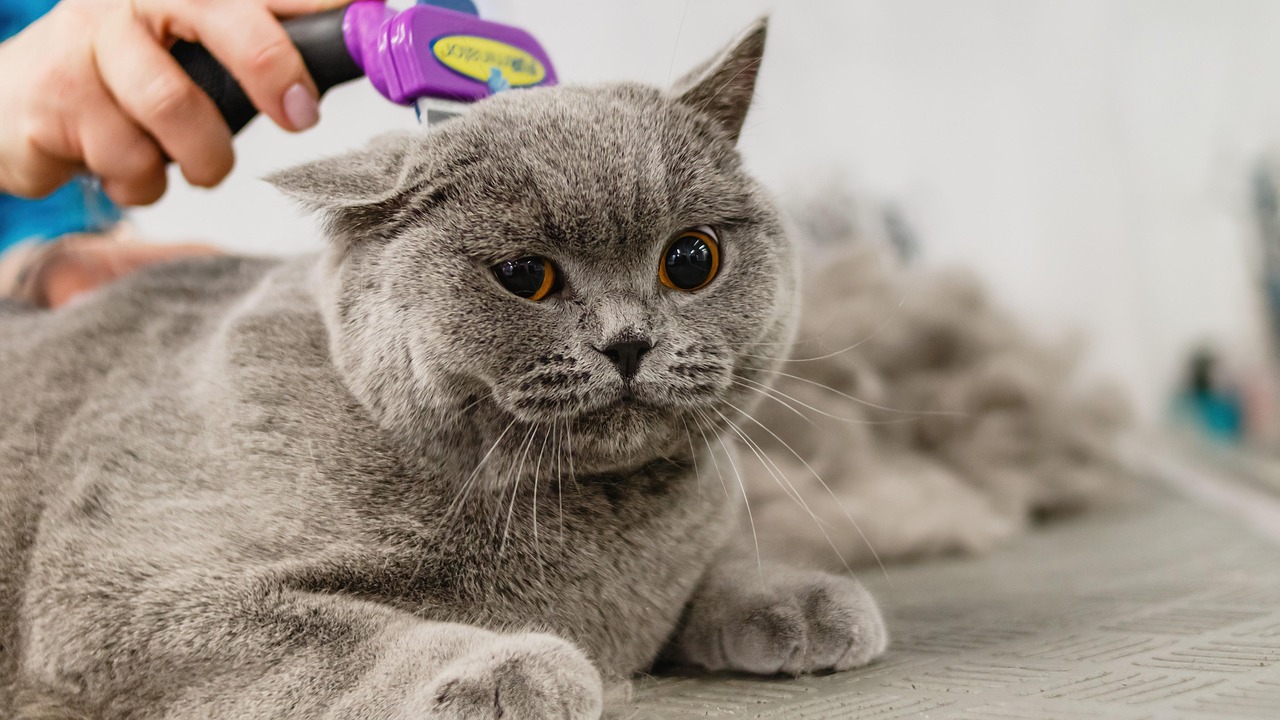

Understanding Feline OCD and Its Impact on Grooming Behavior
Feline compulsive disorder, often linked to excessive grooming, is a behavioral problem observed in many cats. This condition manifests when a cat engages in repetitive behaviors that significantly disrupt its daily life. Excessive grooming can lead to skin irritations, hair loss, and infections. It’s essential for cat owners to recognize and address this grooming behavior to ensure their feline’s well-being. Several underlying factors might contribute to this problem, including anxiety, stress, and environmental changes. A cat’s grooming behavior generally serves a purpose, such as self-cleaning or regulating body temperature, but when it becomes excessive, it signals underlying issues. Pets undergo numerous transitions, and these shifts can trigger anxiety, making them resort to grooming compulsively. If you notice your cat grooming to the point of bare patches or skin lesions, it is vital to consult a veterinarian. Identifying the root cause is crucial. In many cases, behavioral therapy, environmental enrichment, and lifestyle changes can significantly improve a cat’s obsessive grooming tendencies.
Understanding the signs of excessive grooming in cats is crucial for proper diagnosis and treatment. Common indicators include frequent licking, nibbling, or chewing on their fur, resulting in bald spots. Owners may notice their cats spending excessive time grooming, particularly in stressful or unfamiliar situations. It’s essential to observe when these behaviors occur, as situational triggers can be significant. Additionally, the emotional state of cats is intertwined with their grooming habits. Some cats might groom more when they feel anxious or stressed. Signs of stress could be hiding, excessive vocalization, or changes in eating habits. Increasing awareness about these signs allows owners to intervene more effectively. Knowing your cat’s normal grooming behavior empowers you to recognize when something is amiss. Consulting with a veterinarian specializing in feline behavior can provide insights into appropriate measures. They might recommend establishing a routine that includes enriched environments, play sessions, and mental stimulation. Enhancing your cat’s quality of life may lead to reduced grooming and restore balance in their behavior, alleviating the impact of OCD-like symptoms.
Causes of Excessive Grooming in Cats
Various factors contribute to excessive grooming behaviors in cats. One primary cause is anxiety, which can stem from various sources and impacts their emotional and physical health. Changes in a cat’s environment, such as a new pet or moving homes, can trigger anxiety. Additionally, underlying medical conditions could lead to discomfort and result in grooming as a coping mechanism. Skin conditions, allergies, or parasites like fleas can cause intense itching. Consequently, cats might groom more to relieve their discomfort. Both internal and external factors play a role in shaping grooming behavior. Furthermore, boredom and lack of stimulation can encourage cats to resort to excessive grooming. In times of stress, some cats may develop habits that spiral into compulsions. Identifying the specific trigger is crucial for effective treatment. Once the cause is pinpointed, interventions tailored to the cat’s needs can be implemented. For instance, ensuring a stimulating environment and establishing a consistent routine can help alleviate anxiety. Collaborating with a veterinarian can also guide your understanding of the unique behaviors presented by your feline friend.
In addressing excessive grooming, it’s important to consider both behavioral and medical perspectives. A comprehensive assessment starting with your veterinarian can rule out medical issues before assuming behavioral causes. Regular check-ups allow you to stay informed about your cat’s health. If medical conditions have been ruled out, behavioral therapy techniques can be explored. These techniques often include promoting basic obedience training and well-timed rewards for desirable behaviors. Additionally, providing interactive toys, climbing structures, and engaging puzzles can help distract and occupy your cat’s mind, reducing the urge to groom excessively. Creating a comforting space with safe hiding spots can also provide security. If anxiety remains a central factor, calming products like pheromone diffusers, sprays, or supplements may be beneficial. Consistency is key when implementing these techniques, allowing gradual modifications in your cat’s behavior over time. Remember to observe your cat’s progress and be patient; behavioral changes take time but can significantly improve your cat’s quality of life. Along with guidance from professionals, strong relationships are needed to navigate through this challenging behavioral predicament.
Implementing Effective Solutions for Feline OCD
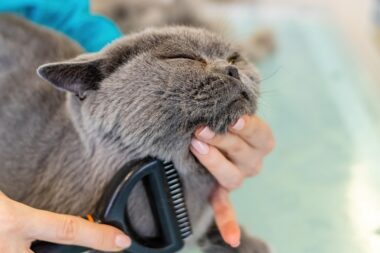
Implementing solutions for excessive grooming begins with identifying the best strategy tailored to your individual cat. Behavioral modification techniques should be at the forefront of your approach. Setting aside quality playtime enhances bonding and brings joy while serving as a distraction from grooming. Engaging your cat in at least 30 minutes of active play daily helps channel their energy in healthier directions. There’s a wide variety of toys available, including wand toys and interactive laser pointers, to enrich their play experience. Environmental enrichment ensures your cat’s mental and physical needs are met and minimizes boredom, promoting healthier coping mechanisms. Additionally, providing access to windows where they can observe the outdoors can stimulate their natural instincts and alleviate anxiety. Regularly grooming your cat in a calm environment can also create associations with nurturing, reducing the likelihood of excessive grooming. Consider the importance of implementing routines that encompass exercise, play, and stability to reverse compulsive behavior cycles. Understanding and patience are paramount while working together with your feline friend to transition toward their well-being.
Owners might feel overwhelmed when managing a cat with obsessive grooming habits. However, understanding that they can play a pivotal role in their pet’s recovery is vital. Patience and consistency are paramount in effectively addressing excessive grooming. Each cat is unique, and recognizing their individual preferences can help tailor approaches that deliver the desired results. Engaging with your cat on their terms can lead to breakthroughs in behavior management. Consider keeping a journal to track grooming behaviors and any noticeable changes in emotion or behavior. This documentation can provide valuable insights for veterinarians or animal behaviorists, guiding interventions. Moreover, remaining positive reinforces the importance of focusing on your cat’s strengths, as negative reinforcement can lead to increased anxiety and worsen behaviors. Providing structured cat-friendly environments that promote play and exploration can yield significant improvements in grooming behaviors. Create a tranquil atmosphere where they feel safe and secure. Overall, developing an understanding of your cat’s behavior requires attention and adaptability, but the rewards will lead to a healthier relationship and a happier feline.
The Benefits of Seeking Professional Help
Seeking professional help when dealing with excessive grooming can provide invaluable insights and strategies for cat owners. Experienced veterinarians or certified animal behaviorists possess specialized knowledge about feline psychology. They can diagnose the specific causes of excessive grooming and recommend evidence-based behavior modification techniques tailored to individual cats. A fresh perspective from a professional can suggest novel approaches that might not be immediately apparent to owners. If anxiety is suspected as a major contributing factor, professionals may prescribe anti-anxiety medications temporarily to assist in reducing overall distress. Collaboration between owners and professionals will ensure the best outcome for the cat’s wellness. Groups and communities focused on animal behavior are also valuable resources; sharing experiences can enhance your understanding of common challenges faced by fellow cat owners. Professional guidance fosters confidence in navigating through feline OCD and grooming issues together. Remember, intervention at any stage can improve your cat’s quality of life. Recognizing the significance of professional involvement assures that your cat receives the necessary support to triumph over behavioral issues. Taking proactive measures reinforces the unconditional bond you share.
Ultimately, fostering a deeper understanding of feline compulsive grooming can transform how cat owners view and respond to this behavior. Each cat deserves the freedom to express themselves without compromising their health. By staying aware of the complexities in feline behavior, cat owners become advocates for their pets’ well-being. Acknowledging the importance of addressing excessive grooming leads to healthier relationships built on empathy and trust. Effective management includes identifying triggers, implementing exciting enrichment activities, and nurturing a calming environment. Rather than being a source of frustration, grooming behavior can offer insights into your cat’s emotional state. Collaborative solutions that encompass both the physiological and behavioral aspects of grooming yield the best outcomes for affected cats. As you embark on this journey, remember that you’re not alone. Many resources, including veterinarians and online communities, are available to support both pets and owners. Making informed decisions fosters personal growth, and as you navigate these challenges alongside your feline companion, you can cultivate a stronger bond and mutual understanding that benefits both parties in the long run. Embrace the journey as an opportunity for connection and shared experiences.