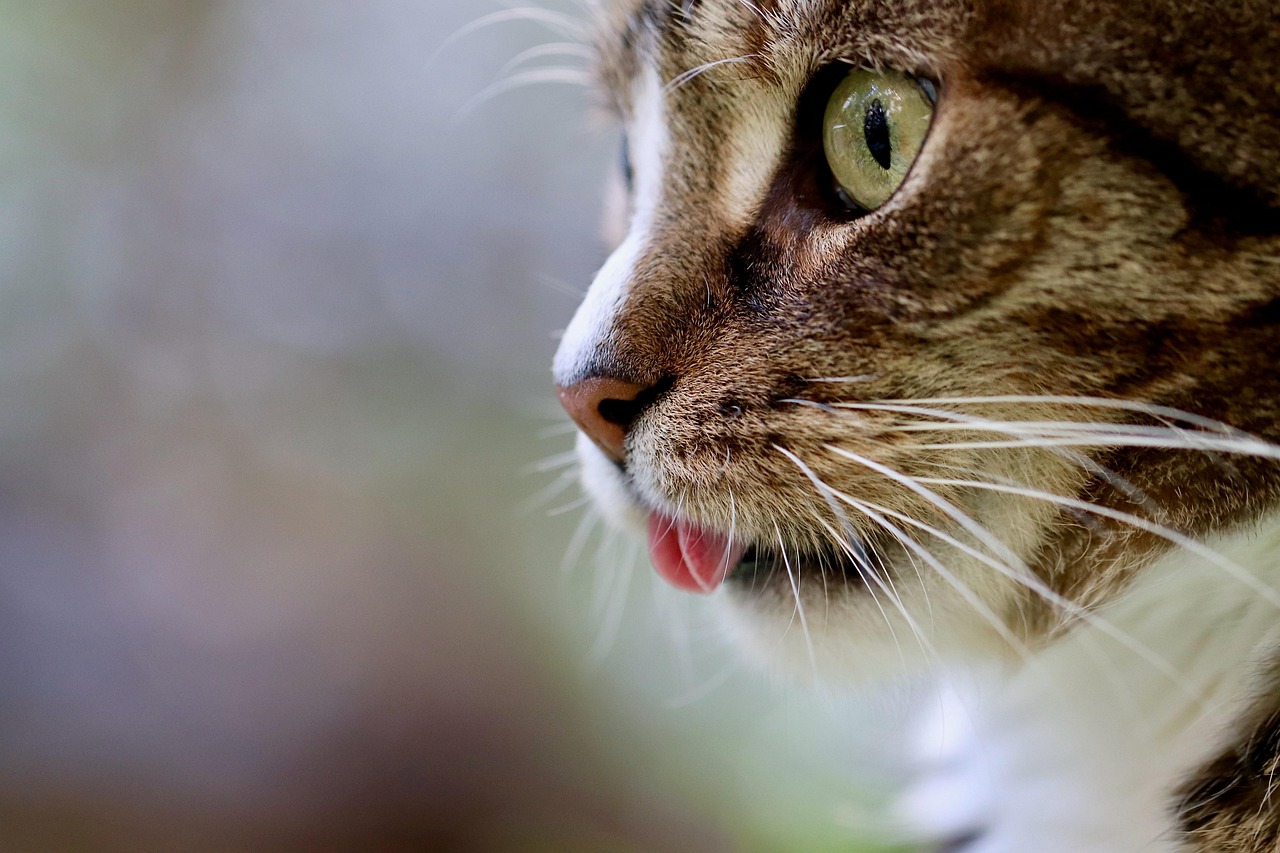

Planning Balanced Meals for Indoor Cats
When it comes to ensuring your indoor cat has a balanced and nutritious diet, understanding the fundamental dietary needs specific to felines is essential. Cats are obligate carnivores, which means their diet must primarily consist of meat. Unlike dogs, they cannot thrive on a plant-based diet and require specific nutrients such as taurine, folic acid, and certain vitamins. A well-balanced meal should include high-quality protein sources, healthy fats, and minimal carbohydrates. It’s important to consult your veterinarian for advice tailored to your cat’s age, weight, and health conditions. Creating a feeding schedule can also help establish routines. Feeding two to three meals a day can keep your cat healthy and satisfied. Make sure to provide fresh, clean water, as hydration is vital for their wellbeing. Carefully read pet food labels for protein content and ingredient sources. Different brands have different quality levels, so do your research before selecting food for your furry friend. Supplements may also be necessary if a commercial diet is not meeting certain nutrient requirements. Paying attention to your cat’s weight is paramount for their health.”},{
Apart from understanding the nutritional needs of your cat, it’s also crucial to identify the types of food available. Commercial cat foods can broadly be divided into dry kibble, wet food, and raw diets. Wet food often has higher moisture content, which is beneficial for cats that do not drink enough water. Dry kibble, however, is more convenient and can help with dental health. When opting for raw diets, ensure you follow proper food safety protocols to avoid potential health risks. Gradual transitions between food types are also recommended to avoid gastrointestinal disturbances. As every cat is different, some might prefer certain textures or flavors. Offering a variety of options helps you find what your cat enjoys the most. If you choose to prepare homemade meals, ensure they contain all essential nutrients and consult with your vet to avoid deficiencies. Homemade food can be more labor-intensive, and balancing macronutrients requires a good understanding of cat nutrition. Many owners also resort to mixing kibble with wet food, adding moisture to the diet while providing crunchiness. Be attentive to consumption and adjust portions based on activity levels.”},{
Understanding Portion Control
Portion control is another vital aspect of feeding your indoor cat. Many owners unknowingly overfeed their cats, leading to obesity and other health issues. To effectively manage portions, consider your cat’s age, weight, and activity level. Utilize feeding guides provided on pet food packaging as a starting point, but remember, personal experience may vary. Additionally, measuring food precisely using a scale or measuring cup can eliminate guesswork. Breaking down daily food portions into smaller meals throughout the day can enhance metabolic efficiency and satisfaction. Remember that treats count towards daily calorie intake; keep them minimal to maintain a balanced diet. Pay close attention to your cat’s physical condition and energy levels to determine if you may need to adjust quantities. Regular weigh-ins at home can help track your cat’s weight over time. If weight fluctuation occurs, consult with your vet to review dietary requirements. It’s also a great idea to monitor activity levels—encouraging playtime can help manage weight while strengthening your bond with your cat. Balancing food and fun creates a healthy lifestyle for your beloved feline.”},{
When considering cat nutrition, don’t ignore the importance of reading pet food labels. Ingredients are listed in descending order by weight, which means the first few items represent the majority of the food. Look for high-quality protein sources such as chicken, fish, or turkey listed at the top. Be wary of foods with vague titles like “meat by-products” or high amounts of fillers such as corn or wheat. Ideally, avoid food that contains artificial additives, preservatives, and colors. Choosing grain-free options may be beneficial for some cats, particularly those with certain dietary sensitivities. Ingredients like sweet potatoes, peas, and carrots can serve as good substitutes, providing healthy carbohydrates without harming your cat. It’s also recommendable to research brands before making a decision, as customer reviews can offer insights into other cats’ experiences with the food. Understanding the ingredients and their effects on feline health can empower owners to make informed choices. Appropriate nutrition directly affects a cat’s overall health, energy levels, and longevity. Thus, taking the time to educate oneself on food choices is critical.”},{
Hydration and Its Importance
Hydration should not be overlooked when planning your indoor cat’s diet. Cats are notorious for not drinking enough water, which could lead to urinary issues or kidney problems over time. Providing wet food is one effective way to boost your cat’s moisture intake. A water fountain can also entice your cats to drink more naturally, as many cats prefer running water. Always ensure fresh and clean water is readily available throughout the day, changing it frequently to keep it appealing. Some cat owners consider adding water or low-sodium broth to dry food, creating a moist meal without sacrificing the crunch. If your cat doesn’t drink enough, consider incorporating water-rich foods such as watermelon or cucumber as treats. Keep an eye on hydration signs, like skin elasticity or gum color, which can indicate dehydration. Regular vet check-ups are crucial; your vet can identify early signs of kidney issues or other health conditions related to dehydration. Staying proactive in managing hydration contributes significantly to your cat’s overall health and longevity. A well-hydrated cat is much more energetic and healthier.”},{
Lastly, always be attentive to your cat’s specific needs and preferences. If your indoor cat has any health issues or allergies, consult with your veterinarian to tailor their nutrition. Preferences can vary greatly among cats—some may refuse certain ingredients or react negatively to specific foods. Observing your cat’s reactions to food can provide insight into what works best. Always transition gradually if changing brands or formulations to prevent digestive upset. Cats also thrive on routine; therefore, sticking to a consistent feeding schedule can help keep them feeling secure and healthy. Regular check-ups with your vet should include discussions about diet, as they can offer advice on suitable foods or any necessary dietary adjustments. Seeking guidance is especially vital for senior cats or those with chronic health conditions. Additionally, rotating between a couple of trusted brands can help provide varied nutrition and prevent the monotony of the same food. Understanding the relationship between diet and behavior can lead to healthier and happier pets. By prioritizing balanced meals and regular vet visits, you can significantly enhance your cat’s quality of life.
Conclusion: Prioritizing Your Cat’s Diet
Ultimately, your indoor cat’s health is closely linked to their diet. Providing a well-balanced meal in appropriate portions can significantly enhance their wellbeing. With proper knowledge of cat nutrition, you’re empowered to make informed choices about what to feed your feline companion. Remember that each cat is unique, so staying observant and flexible in your approach is fundamental. By understanding your cat’s preferences and meeting their dietary needs, you help ensure they lead a long and happy life. Employing these principles not only contributes to your cat’s physical health but also helps to strengthen the bond between you and your pet. Hence, strive to stay informed about the best feeding practices and seek veterinary advice when necessary. Regularly updating your strategies corresponding to their growth stages and health changes will also be beneficial. The investment in proper nutrition now will pay off in the form of a healthier, happier, and more energetic cat in the future. In summary, a combination of quality food, portion control, hydration, and veterinary guidance creates the foundation for successful cat nutrition.