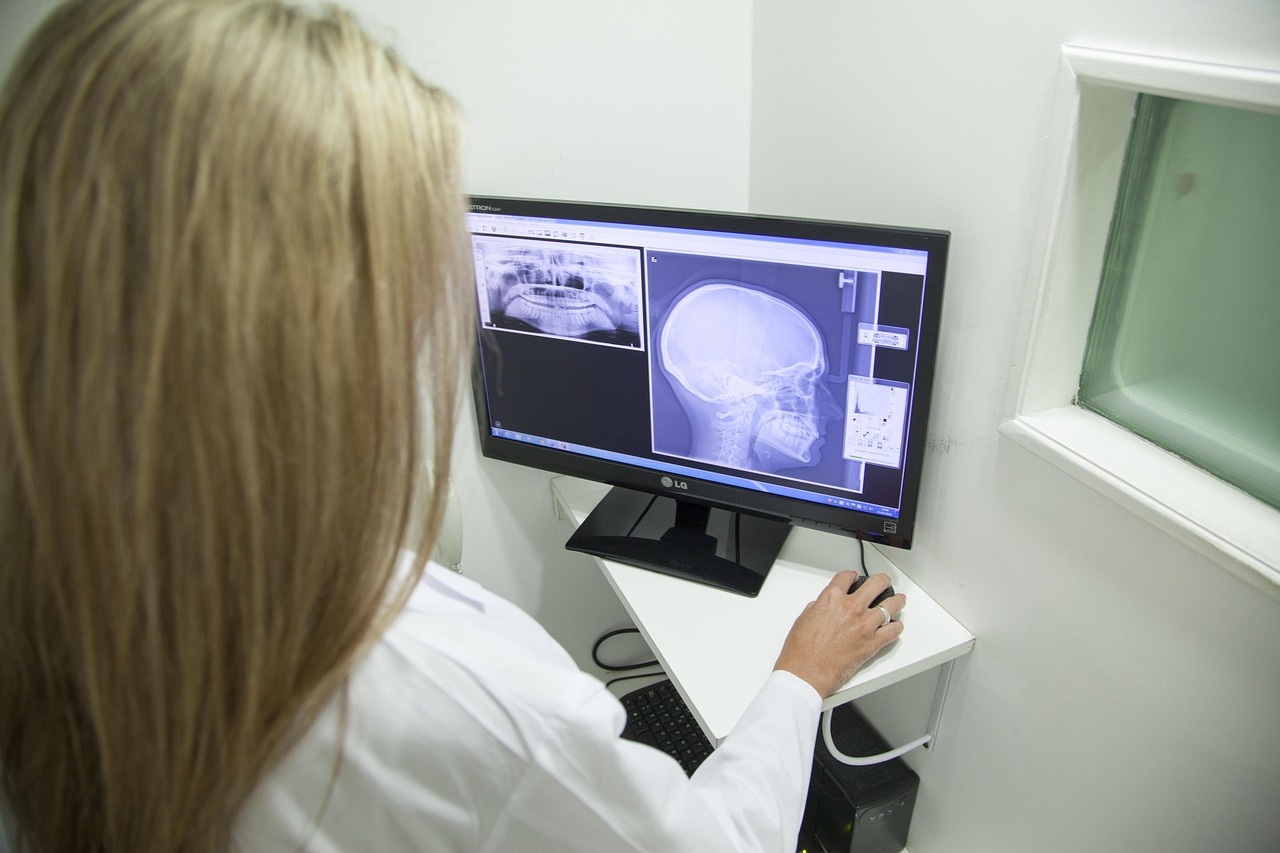

How Veterinarians Use Dental X-rays to Improve Dog Health
Dental care is essential for the overall health of dogs, yet many pet owners overlook this crucial component of pet care. Dental problems can lead to a wide range of health issues, including pain, infection, and even systemic diseases that can affect vital organs. A well-organized dental health routine should include regular veterinary exams and thorough dental cleaning. Part of this routine is utilizing dental X-rays, an invaluable tool that allows veterinarians to see what lies beneath the gum line. These X-rays aid in diagnosing various dental issues, including bone loss, tumors, and periodontal disease, which are not visible during a regular dental examination. By using X-rays, veterinarians can identify problems early and recommend appropriate treatments to maintain your dog’s health. The importance of preventive care in dental health cannot be overstated, as it can contribute significantly to your dog’s quality of life. By taking advantage of technological advancements such as dental X-rays, you can ensure that your dog remains happy, healthy, and pain-free, which is a top priority for any responsible pet owner.
One of the primary benefits of dental X-rays is the early detection of potential dental issues. Many dogs may not show obvious signs of dental problems or discomfort until the issues become severe. Problems such as abscessed teeth can develop without significant symptoms, leading to a delay in treatment if not for periodic X-rays. Dental X-rays allow veterinarians to assess the condition of teeth beneath the surface, exposing hidden diseases that may lead to serious consequences. Once diagnosed, the veterinarian can strategize the appropriate treatment or dental procedure required. Pet owners should be proactive regarding their dog’s dental care, including discussions with their veterinarian about incorporating dental X-rays into routine check-ups. Regular dental cleanings are also crucial, as they complement the information gathered from X-rays. In tandem, these strategies significantly improve health outcomes for dogs. Many pet owners find it hard to keep track of oral health without the expertise of professionals. Therefore, collaborating with a veterinary team who understands the importance of dental radiography can be highly beneficial for both dogs and their owners.
Understanding Dental Problems
Generally, the dental health of dogs may decline over time if preventive measures are not taken. The most prevalent issue is periodontal disease, which can infiltrate the supporting structures of the teeth and even lead to tooth loss. While regular brushing can help combat this, some dogs are prone to dental issues due to genetics or other factors. In these cases, dental X-rays can pinpoint the specific causes of problems with precise accuracy. If hidden dental structures are unexamined, they can harbor infections and abscesses that could be life-threatening. Dental radiographs can also reveal other conditions such as retained baby teeth, impacted teeth, and resorptive lesions. Thanks to modern advancements in veterinary medicine, the technique of capturing dental X-rays has become much less daunting for pets. Sedation can often be avoided, and many dogs tolerate the process well with proper training and encouragement. Therefore, every pet owner should consult their veterinarian on how regularly dental X-rays should be performed based on their dog’s unique health profile.
After acquiring dental X-rays, veterinarians interpret the images with special care. Different views, including periapical and occlusal views, allow them to analyze the entirety of a dog’s dental structure. They assess the alignment of teeth, bone structures, and the presence of any abnormalities present in the jaw and gums. Following evaluation, the veterinarian can discuss with pet owners their findings and share recommendations based on the results observed. If a dental issue is discovered, it can be treated promptly, saving the dog from experiencing pain in the future. Sometimes the solutions involve simple cleanings while others may require more complex surgical procedures. By understanding the condition of the teeth and gums, pet owners can make informed decisions about their dog’s care. Additionally, this knowledge will help avoid unnecessary procedures that could arise from undetected dental problems. Pet owners should be prepared to ask questions and voice concerns about their pet’s dental health during veterinary appointments. This representation of collaboration enhances the treatment plan and encourages better health outcomes overall for beloved pets.
Post-X-ray Procedure Considerations
After dental X-rays are performed, immediate aftercare is essential to support the dog’s recovery. Though the process is generally safe, some dental procedures may require sedation or anesthesia, leading to temporary grogginess or confusion afterward. Keeping the dog calm and comfortable during recovery helps minimize stress and speeds up the recovery process. Veterinarians often provide specific aftercare instructions to follow, so it’s critical to adhere to them closely. This might include restricting physical activity, monitoring eating habits, and observing behavior for any post-procedure complications. If any signs of discomfort persist or worsen, contacting the vet immediately is highly recommended. Ultimately, investing time in post-X-ray care can significantly impact the dog’s overall recovery and well-being. Furthermore, pet owners should pay attention to follow-up care appointments suggested by their veterinarian, as they can ensure that dental health continues to be monitored effectively. Knowledge of when to expect a check-up reinforces the importance of dental care even after initial treatments or procedures. Keeping a dog’s mouth healthy through educational resources can also improve overall quality of life.
Education in dog dental health extends to providing pet owners with tips on best practices at home. Basic oral hygiene, including regular brushing or implementing dental chews, should be established as routine practices to maintain optimal dental health. Not only does this reinforce the importance of dental care, but it equips dogs with healthy habits that combat plaque buildup. Understanding the signs of common dental issues is also crucial. Pet owners should regularly check for symptoms such as bad breath, swollen gums, or difficulty eating. If any of these signs present themselves, contacting the veterinarian promptly informs them of the need for further evaluation. Resources desired by pet owners may include pamphlets from veterinarians outlining dental care practices or engaging in instructional seminars. There are also numerous online platforms dedicated to pet health that supply pet owners with up-to-date information. Keeping abreast of the latest canine dental health research can only enhance the overall well-being of dogs. Ultimately, a proactive approach supported by regular veterinary visits and dental X-rays contributes significantly to maintaining dogs’ long-term health.
Conclusion: The Importance of Preventive Care
In conclusion, maintaining your dog’s dental health is paramount for their overall well-being. Dental X-rays play a vital role in preventive care, allowing for the early detection and treatment of potential dental issues. By collaborating with a veterinarian you can ensure that you’re providing a comprehensive dental care regimen for your pet. Integrating regular check-ups and X-rays can reveal hidden conditions that may result in pain or serious health challenges later on. Moreover, implementing home care practices enriches the benefits provided at veterinary appointments, establishing a routine that promotes dental hygiene. As a responsible pet owner, it is essential to prioritize dental health. Engaging with veterinary professionals about dental X-rays and other dental practices offers unmatched benefits for your dog’s health. Always advocate for your dog’s dental needs, and do not hesitate to discuss concerns openly with your veterinarian. The approach towards a dog’s dental well-being should always be vigilant and thorough. By understanding the significance of preventative care through regular dental check-ups and X-rays, your dog can enjoy a happier, healthier life.