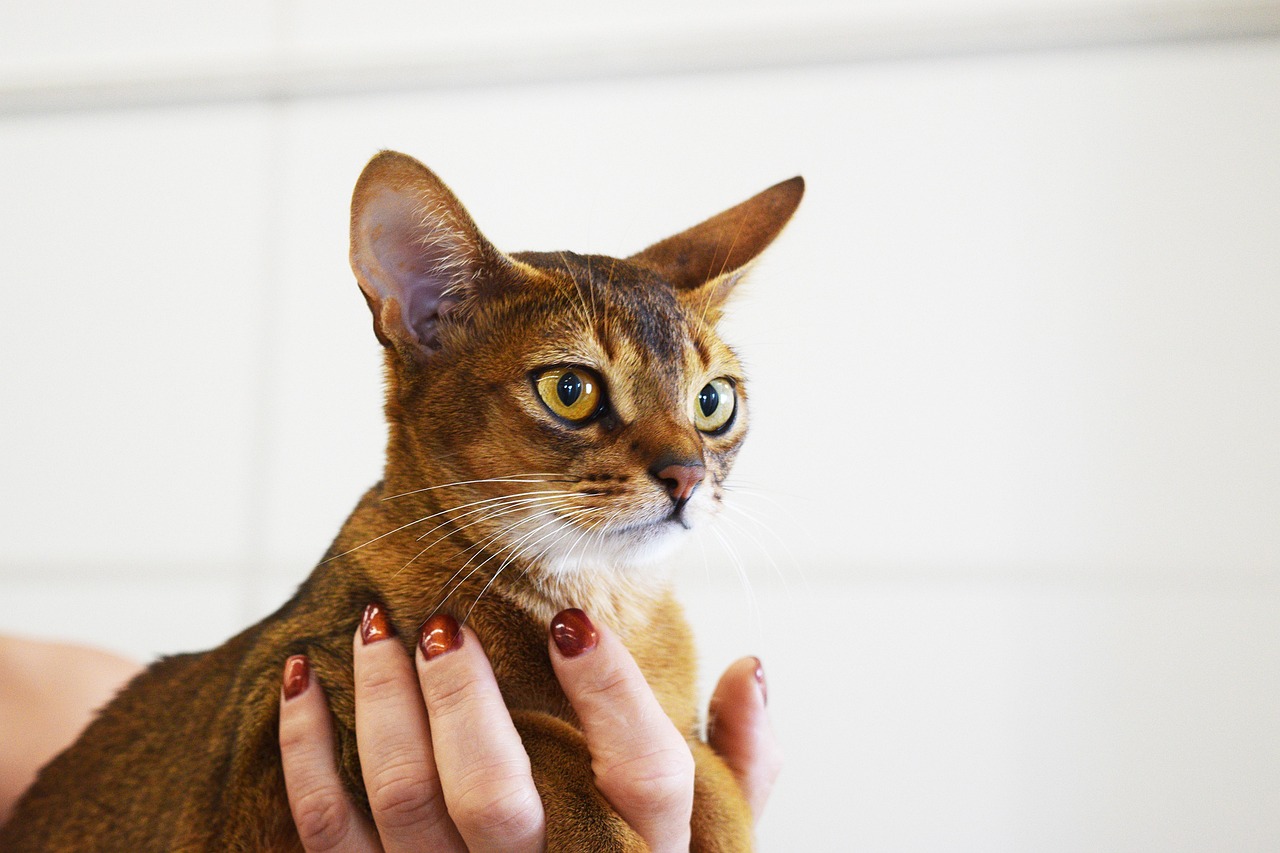

The Role of Lighting in Award-Winning Cat Photos
When it comes to cat photography, lighting plays an essential role in creating stunning images that can win contests and awards. The right kind of lighting can highlight your feline subject, showcasing their unique features and expressions. Natural light, especially during the golden hour, provides a soft and flattering glow that enhances the cat’s fur texture and eyes. Additionally, using reflectors can help bounce light onto the subject, illuminating shadows without washing out their color. Photographers often find that utilizing backlighting or side lighting can create dramatic effects, allowing the cat to stand out against the background. Understanding your camera settings is crucial too, as adjustments in exposure and ISO can affect how light interacts with your subject. Many award-winning photos often have a well-thought-out light setup, drawing attention to the cat’s personality and beauty. Experimenting with various light sources, from sunlight to artificial lights like softboxes, can also yield unexpected but pleasing results. Remember, achieving the perfect lighting can take practice, so don’t hesitate to try different approaches until you find what works best for your award-winning shots.
One of the most common tips among seasoned photographers is to study the light at different times of the day. Morning and late afternoon sun often offer the most beautiful, soft lighting conditions. In contrast, the harsh midday sun can create unflattering shadows that detract from the overall aesthetic of the photo. It’s wise to avoid direct sunlight when possible and instead seek shaded areas that provide even lighting. In these settings, adjust your angles to include some light play, perhaps allowing beams to filter through leaves or windows. Cats, being naturally curious and playful, often respond well to the ambiance created by shadows and light. You can use this to capture candid moments that reflect their personalities. Moreover, artificial lighting techniques, such as speedlights and continuous lights, have come a long way, so don’t be afraid to experiment. Using tools like light diffusers can soften harsh artificial lights. Every cat has a different fur color and pattern, and the interaction with light can either make or break a photograph. Investing time in learning about light can dramatically elevate your photography game.
Different Types of Lighting Techniques
Various lighting techniques exist to enhance your cat photography. For example, using softboxes can create an even and flattering light source that wraps around the cat. This method minimizes shadows and highlights the subtle details in fur. Alternatively, hard light can create dramatic shadows and intense contrasts, adding depth to the image. Techniques like rim lighting can outline the cat’s shape, creating a halo effect that draws attention. Another important aspect is color balance; color temperature can significantly impact the mood of your photograph. Especially in contests, you want to ensure that your images appeal not only to judges but also to the audience. It’s essential to understand how different light colors — warm tones versus cool tones — will affect your photos. The ambient light color may vary based on time and weather conditions, and adjusting your white balance settings allows you to manage this effectively. Observing how your camera captures light can also provide insights into each shoot’s best practices.
Regardless of the lighting setup you choose, ensure that you’re always considerate of your subject—the cat. Cats can be skittish or overwhelmed by light sources, so gradual exposure to new lighting conditions is key to capturing natural behavior. Patience is critical when working with animals; this means being prepared to wait for the right moment where the lighting complements your subject perfectly. In contests, emotion captured in a photograph can sway judges, so using light to illuminate those moments can make the difference. You may want to consider varying your angles and compositions based on the light available. Get low to the ground to capture stunning angles that highlight the cat against a sunlit background or shoot from above to take advantage of soft diffused light. Each cat is unique, and so are their reactions to different lighting setups. Observing their behavior before snapping that perfect shot can reveal incredible opportunities for captivating photographs.
Post-Processing: Enhancing Lighting
After capturing the perfect shot, post-processing can further enhance the lighting elements. Software like Adobe Lightroom or Photoshop allows photographers to adjust brightness, contrast, and highlights. These fine-tuning tools can make a substantial difference in a photograph’s appeal. Many professional photographers use these programs to create a cohesive look across a series of images. However, while editing can enhance a photo significantly, it is vital to exercise restraint. Over-editing can lead to images that feel artificial, and judges in photography contests tend to appreciate authentic representations. Subtle adjustments often yield the most impactful results. For example, slightly brightening the eyes can draw attention without overtly altering the image. Conversely, lowering highlights can emphasize texture and detail in fur. Always remember to keep the cat’s characteristics true to life; over-processing can sometimes misrepresent their natural beauty. As you experiment with editing, consider how you might bring out the lighting effects captured during the shoot to ensure an award-worthy finish.
Additionally, understanding the histogram can aid you in achieving better final images. A balanced histogram ensures that your image has the correct exposure and contrasts, representing the light and darkness accurately. Photographers suggest checking the histogram immediately after taking a shot to determine if adjustments are needed. Knowing how to read histograms can prevent undesirable lighting issues, ensuring you capture as much detail as possible. It’s also good to familiarize yourself with different exposure compensation techniques. Making slight adjustments while shooting can sometimes solve issues in unfavorable lighting conditions. Mastering these skills, combined with an understanding of light, can greatly enhance the overall quality of your cat photography. When preparing for contests, consider how different lighting plays cinematically within your series or single submissions. The goal is to tell a story, and the lighting in your photographs contributes significantly to that narrative. Evaluate which photos align most with the contest’s themes and judge criteria, assessing their lighting aspects as part of the evaluation process.
Conclusion: The Essence of Lighting
Ultimately, lighting is an essential aspect of cat photography that should not be overlooked, especially for contest entries. By investing time to experiment with natural and artificial lighting, photographers can reveal the beauty of cats in myriad ways. Techniques may vary, but the essence of capturing stunning photographs rests on understanding light’s various aspects. Awareness of how to control lighting conditions can turn an average photo into an award-winning image. As you practice, keep in mind the emotions and personalities you wish to portray by focusing on the cat’s highlight moments. Take the time to study each scenario, learn from other photographers, and be willing to step outside your comfort zones. Join forums or social media groups dedicated to cat photography to gain insights and share your work. Elevating your photographs takes both knowledge and creativity, and mastering lighting makes a significant difference. Be brave; experiment with lighting and techniques until you find your unique style that shines through your work!
In summary, embracing lighting techniques can create stunning photographs that are not only eligible for awards but also resonate with viewers. Through patience and thoughtful application of light, you can capture the enchanting qualities of your feline subjects. By participating in contests and learning from each experience, your photography skills will evolve, allowing you to create remarkable images that showcase the unique and beautiful essence of cats. Explore, learn, and grow as you continue capturing moments of joy with your furry companions.