
How Parasite Infestations Influence Your Cat’s Energy Levels
Cats, like many animals, can suffer from various parasite infestations that can greatly affect their overall well-being. The presence of parasites such as worms, fleas, and ticks can lead to noticeable shifts in their energy levels, behavior, and physical health. A cat displaying lethargy, unusual sleeping patterns, or increased irritability may be showing signs of a parasite problem. Diagnostics from a veterinarian are essential to identify the specific type of infestation. Early detection is critical as some parasites can lead to severe long-term health issues or even be fatal if left untreated. Parasites feed on a cat’s nutrients and literally drain its energy. Importance cannot be overstated regarding how an infestation can impact a cat’s vitality. Take notice of any changes, as a once playful or active cat may suddenly seem unresponsive. Besides lethargy, other signs might include weight loss and poor coat quality. If you notice any of these alarming symptoms, consulting your veterinarian promptly is vital for your cat’s health.
Types of Common Parasites
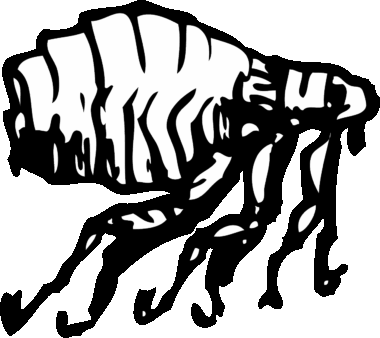
Understanding the types of parasites that may affect your cat is integral in diagnosing and treating infestations effectively. Common external parasites include fleas and ticks. Fleas, known for causing itching, lead to significant discomfort and can also transmit other diseases. Ticks pose similar risks and can carry Lyme disease or cause anemia in severe infestations. On the internal side, worms like tapeworms and roundworms can wreak havoc within the digestive system of cats. These internal parasites often come from ingesting infected prey or contaminated food. It is essential to examine your cat for these common parasites regularly. Symptoms relating to internal parasites may include vomiting, diarrhea, and an overall lack of appetite, contributing to a decline in energy. Additionally, there are various medications available that target these infestations specifically, making prompt treatment possible. Protecting your cat involves preventive strategies such as veterinarian-prescribed treatments and regular health checks. Understanding the role these parasites play can help you maintain your cat’s vitality and energy levels.
Changes in your cat’s behavior, especially regarding energy levels, can indicate a deeper issue arising from parasite infestations. Many pet owners might overlook small shifts in their feline’s routine, attributing them to typical aging. However, a parasite infestation could be at play. While some cats may exhibit increased energy in specific contexts, others experience drastic drops, turning them into couch potatoes without motivation to engage in play. This lack of enthusiasm stands out distinctly when compared to their usual behaviors. Observing details like an unwillingness to chase toys, retreating more often, or displaying aggressive behavior instead of typical playfulness can highlight serious concerns. These behavioral changes, coupled with physical symptoms such as weight loss and coat changes, could suggest the presence of parasites. For an accurate diagnosis, consider documenting your observations before visiting the veterinarian. Keeping detailed notes helps your vet assess the situation more effectively. Regular health checkups become essential during this period to monitor any escalating symptoms of parasites and improve overall wellness.
Importance of Regular Check-ups
Regular veterinary check-ups are paramount to ensuring your cat remains healthy and parasite-free. During these examinations, your veterinarian will check for signs of infestation as part of the overall assessment. Many parasites can go unnoticed, hiding within the fur or making their presence known subtly. A professional can identify issues early on before they escalate into more significant concerns. Treatments are often more effective when started early. Utilizing flea and tick prevention along with deworming medications can significantly enhance preventive strategies. Your veterinarian may recommend a specific schedule for these treatments, ensuring maximum protection. Additionally, discussing your cat’s diet during check-ups can lead to advice on improving their nutrition, helping to boost their immune system against potential infestations. Keeping your cat healthy through regular vet visits will allow for prompt care when needed. Cats’ behaviors toolkit remains handy but should never replace professional assessments. Analytical tools at the vet’s disposal ensure a comprehensive evaluation, leading to happier, healthier feline family members.
In conclusion, understanding parasite infestations and how they affect your cat’s energy levels is crucial. Awareness of common symptoms allows for swift responses when behavior changes occur. Moments of lethargy or irritability warrant immediate attention and should not be ignored. Many parasites like fleas or worms can lead to significant health issues if untreated. Additionally, maintaining preventive care through vet visits and appropriate treatments helps mitigate risks effectively. Engaging your cat with stimulating activities can assist in recognizing their energy fluctuation patterns better, highlighting potential infestation early. It’s important to remember that maintaining your cat’s well-being involves both professional insights and attentive observation. Urge others to be diligent about their pets’ health, promoting awareness about parasite control and energy level monitoring. With proper care and early intervention, your cat can lead an energetic, healthy life devoid of parasitic threats. Keep in mind that awareness and education can pave the way for a long-lasting, joyful companionship with your feline friend.
Taking Action: Treatment and Prevention
When dealing with a cat suffering from a parasite infection, swift action is necessary for effective treatment. There are many options available for removal, but it’s essential to consult your veterinarian first. They will guide you to the best treatment protocols based on your pet’s specific needs. Treatments can range from topical applications to oral medications, depending on whether external or internal parasites are affecting them. Committing to a regular schedule of preventive treatments, including vaccinations and deworming, can easily keep infestations at bay. Besides regular vet visits, adopting habits that minimize risks, such as keeping your cat indoors, can drastically reduce exposure to parasitic threats. Moreover, maintaining cleanliness in your home helps eliminate potential environments conducive to parasite growth. Owners should also check their pets after being outdoors to check for fleas or ticks regularly. Engaging in flea control with appropriate products ensures that parasites are less likely to take hold in the first place. This proactive approach ensures your cat remains energetic and happy.
Finally, understanding your cat’s normal behavior and energy levels is key to identifying potential issues. By being observant, you can seize any signs of parasite infestations early. The impact of parasites goes beyond just energy levels, affecting physical health and emotional well-being. Creating a home environment that facilitates proper health and protects your cat from parasites calls for ongoing education. Learning about parasites and their lifecycle can empower owners to make informed choices about preventative measures. Community resources and veterinary education opportunities can provide valuable information regarding the latest in parasite control techniques. Sharing experiences with fellow cat owners can also foster a supportive environment where you can learn best practices. Being part of a network focused on pet health discoveries can lead to improved outcomes for all. Your cat’s energy and happiness hinge on your knowledge and commitment to effective parasite control measures. Together, as responsible pet owners, we can enhance our pets’ lives, ensuring they stay vibrant and healthy for years to come.
This concluding segment wraps up our discussion on parasites. It emphasizes their significance and how we assist in safeguarding our feline friends. Remaining vigilant serves to create a safer, healthier environment for our cherished companions. Observing our pets yields valuable insights into their health, revealing problems that may need veterinary attention. Regular check-ups not only establish preventative strategies but also foster an open line of communication between pet and vet. With a focus on energy levels and behavior, we can address issues before they become serious, reinforcing our role as proactive pet owners. Ensuring your cat’s well-being requires a collective effort. By prioritizing parasite control, all pet owners can contribute to creating healthier feline communities. Engaging in open dialogues within our networks amplifies awareness, fostering a sense of responsibility. This journey entails consistent learning and adaptation, particularly regarding parasite management. Together, we can ensure our furry friends lead fulfilling lives, free from the impacts of parasites. By sharing knowledge and experiences while supporting each other, we craft a community that champions cat health. Thus, it’s our duty as caretakers to remain informed, diligent, and proactive in protecting our cats.