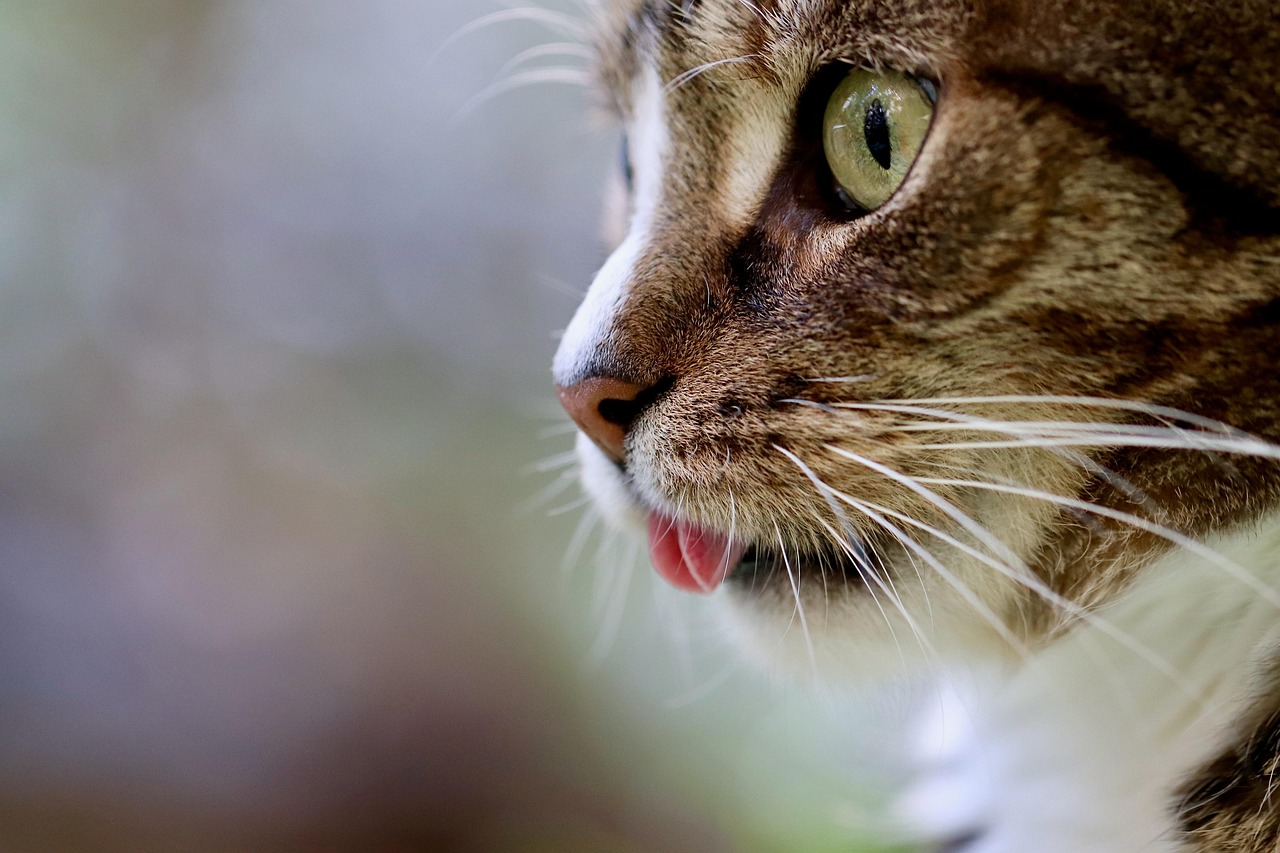

Relationship Between Environmental Complexity and Cat Cognitive Development
The environment in which a cat lives plays a crucial role in shaping its cognitive development and behavior. Cats are naturally curious creatures, and their surrounding spaces greatly influence their learning experiences. Environmental complexity, characterized by various stimuli such as toys, scratching posts, and interactive elements, fosters play and exploration. Through engaging with diverse objects and challenges, cats develop problem-solving skills. This encompasses the ability to navigate their surroundings, manipulate objects, and adapt to changes. Furthermore, cats in enriched environments demonstrate better emotional stability and social behavior. A simple space may not stimulate a cat’s intellect adequately, leading to boredom and issues like anxiety or aggression. Therefore, providing an enriching environment filled with dynamic features can help enhance a cat’s cognitive abilities and overall mental health. Owners are encouraged to invest in varied environmental setups that promote interaction. This includes climbing structures, puzzle feeders, and engaging toys. Moreover, embracing the natural hunting instincts of cats through active playtime can also significantly contribute. In essence, a carefully structured environment is vital for optimizing a cat’s mental growth and well-being.
Research indicates that kittens learn essential skills during their critical socialization period, which occurs from two to nine weeks of age. During this time, the environment needs to be rich with stimuli, allowing them to observe and interact with various elements. The challenges presented by their environment directly contribute to their exploratory behavior and cognitive skills. If a kitten is deprived of such an environment, it risks developing limited problem-solving abilities and shallow social skills later in life. Kittens raised in enriched environments often show increased curiosity and engagement compared to those raised in bland settings. They become agile learners who adapt to new challenges confidently. This natural curiosity fosters healthy behavioral traits, leading to more socially adept adult cats. Interactions with siblings and mother cats also play a crucial role during this period. It’s important for owners to understand the long-term implications of the early environment on a cat’s behavior. Various studies suggest that these initial experiences can influence future interactions with humans and other animals. Therefore, ensuring a stimulating, nurturing environment is paramount for raising well-adjusted cats.
Impact of Environmental Enrichment
Environmental enrichment can have significant positive effects on feline cognitive skills. When a cat resides in a stimulating environment, it encourages natural behaviors, allowing opportunities for exploration and interaction. For instance, incorporating climbing structures, various toys, and scratching posts can transform a mundane living space into an engaging playground. This kind of environment allows cats to practice skills that would be necessary for survival in the wild. In practice, this means fostering behaviors like climbing, jumping, and using their senses to locate hidden treats or toys. Enhanced cognitive skills lead to greater learning capabilities, as cats frequently assess their environment and engage with new challenges expertly. Moreover, environmental enrichment can reduce stress and anxiety in cats, making them more adaptable to changes. Stress can inhibit learning and cognitive function, so creating a calm and engaging environment aids in thought processes. Regular interaction with their surroundings positively influences emotions, resulting in happier cats. Positive experiences in enriched spaces contribute to overall mental health and can prevent behavior problems. Thus, providing an environment rich in stimulation is fundamental to enhancing cognitive development in cats.
Another aspect influencing cognitive development is the social environment surrounding a cat. Interaction with both humans and other pets can significantly affect behavior and learning. Social play encourages cats to engage in cooperative behaviors and learn boundaries, which are crucial skills in any context. An owner’s involvement can substantially stimulate cognitive growth, especially through interactive play. Utilizing toys that require problem-solving encourages cognitive challenge. Furthermore, the presence of other pets can also influence social learning through observation and mimicry. Cats will watch the behavior of their companions, learning through direct interaction and imitation. Therefore, household dynamics can create a rich framework that either enhances or stifles development. It is vital for cat owners to facilitate positive social interactions and prevent negative experiences. Balance fosters friendly and well-adjusted adult cats who can navigate various social circumstances successfully. Additionally, establishing routines can provide security, helping a cat feel safe in their dynamic environment. In this way, the social context significantly shapes how our feline friends engage with their environments, emphasizing the importance of a multifaceted approach to nurturing their cognitive development.
Importance of Play in Cognitive Development
Play is an essential component of cognitive development in cats, offering them the chance to express their natural instincts. Through play, cats not only exercise but also hone vital skills needed for survival. Engaging with toys allows for exploration and the practice of hunting tactics. Each opportunity to chase, pounce, or manipulate objects helps develop fine motor skills alongside cognitive functions. Moreover, play serves as a medium for stress relief, which is critical for optimal mental health. By incorporating varied and interactive toys, owners can stimulate curiosity and problem-solving abilities. Offering different types of toys helps cater to individual preferences and provides a learning experience tailored to each cat. For instance, puzzle feeders can challenge cats mentally, encouraging innovative thinking. Simplistic toys like balls or feather wands allow also for essential physical exercise while promoting engagement. Furthermore, owners should rotate toys regularly to maintain interest and continuous stimulation. Providing this diverse play experience ensures that cats remain mentally sharp and engaged, preventing behavioral problems linked to boredom. Encouraging daily play is not only enjoyable but also a proactive strategy for promoting feline cognitive wellness and enhancing overall quality of life.
Another significant factor in cat cognitive development is the physical environment’s layout and maintenance. A cluttered or chaotic environment can overwhelm a cat, making it difficult to explore, thereby hindering cognitive growth. To nurture healthy behaviors, creating a clean, organized space is essential. Strategies include minimizing obstacles and providing consistent areas for play and rest. This enhances a cat’s confidence in its surroundings while improving the ability to solve environmental puzzles. The spatial arrangement and the presence of hiding spots can contribute to a stimulating environment, encouraging a cat’s innate curiosity. It is equally important to ensure safety, as a serene environment devoid of hazards fosters a more effective learning zone. By removing danger-inducing objects, owners can help their cats focus on enriching experiences rather than stressing over potential risks. Moreover, proper ventilation and natural light also contribute positively, as they impact mood and behavior. Hence, creating a suitable environment through strategic arrangement and maintenance promotes a fulfilling space for cognitive exploration and emotional health. A thoughtfully arranged home can thus provide a cat with the security and stimulation necessary for advancing its cognitive skills.
Conclusions and Recommendations
In conclusion, the relationship between environmental complexity and cat cognitive development is profound. Cats thrive in enriched environments filled with various stimuli that challenge their intellect and nurture their innate behaviors. It’s vital for cat owners to recognize the importance of providing stimulating spaces that encompass climbing structures, engaging toys, and opportunities for social interaction. Investing in their environment translates to better cognitive skills and overall well-being. It is equally imperative to sustain an organized, clean space, promoting safety and reducing stress. Regular play and interaction are crucial components that help hone skills necessary for socialization and intellectual growth. Taking a deliberate approach towards enriching a cat’s surroundings ensures that they remain mentally active, engaged, and less likely to develop behavioral issues. Owners are encouraged to include daily play sessions that involve various toys, enhancing cognitive stimulation and physical fitness. By understanding the importance of environmental factors, owners can contribute significantly to their pets’ well-being. An enriched environment is integral to fostering healthy cognitive development, leading to happier, more balanced cats. Emphasizing these guidelines will help elevate the quality of life for beloved feline companions.
Ultimately, the mental lives of cats are shaped significantly by their surroundings, allowing owners to take crucial steps to enhance their quality of life. Each factor — environmental complexity, social interactions, and play — intertwines to create a holistic approach toward nourishing feline cognition. Implementing enriching changes leads to cognitive advancement and emotional stability in cats, establishing a fulfilling life experience. Pet owners must embrace these insights for developing enriching practices. Improved awareness of the impacts of the environmental factors signifies a commitment to nurturing healthy, learning-oriented feline households. Understanding how to engage with your cat through stimulating play and thoughtful environmental design is integral in promoting cognitive health and overall happiness. Knowledgeable owners can effectively advocate for their beloved pets’ needs by ensuring a space conducive to exploration, growth, and security. In the end, enriching a cat’s life is an ongoing journey that requires patience and creativity, but the rewards are immeasurable. A happy, well-adjusted cat reflects the owner’s dedication and consideration of their cognitive development. Through fostering these enriched environments, we ultimately contribute positively to their mental landscape, enriching their lives in ways that are both profound and beneficial.