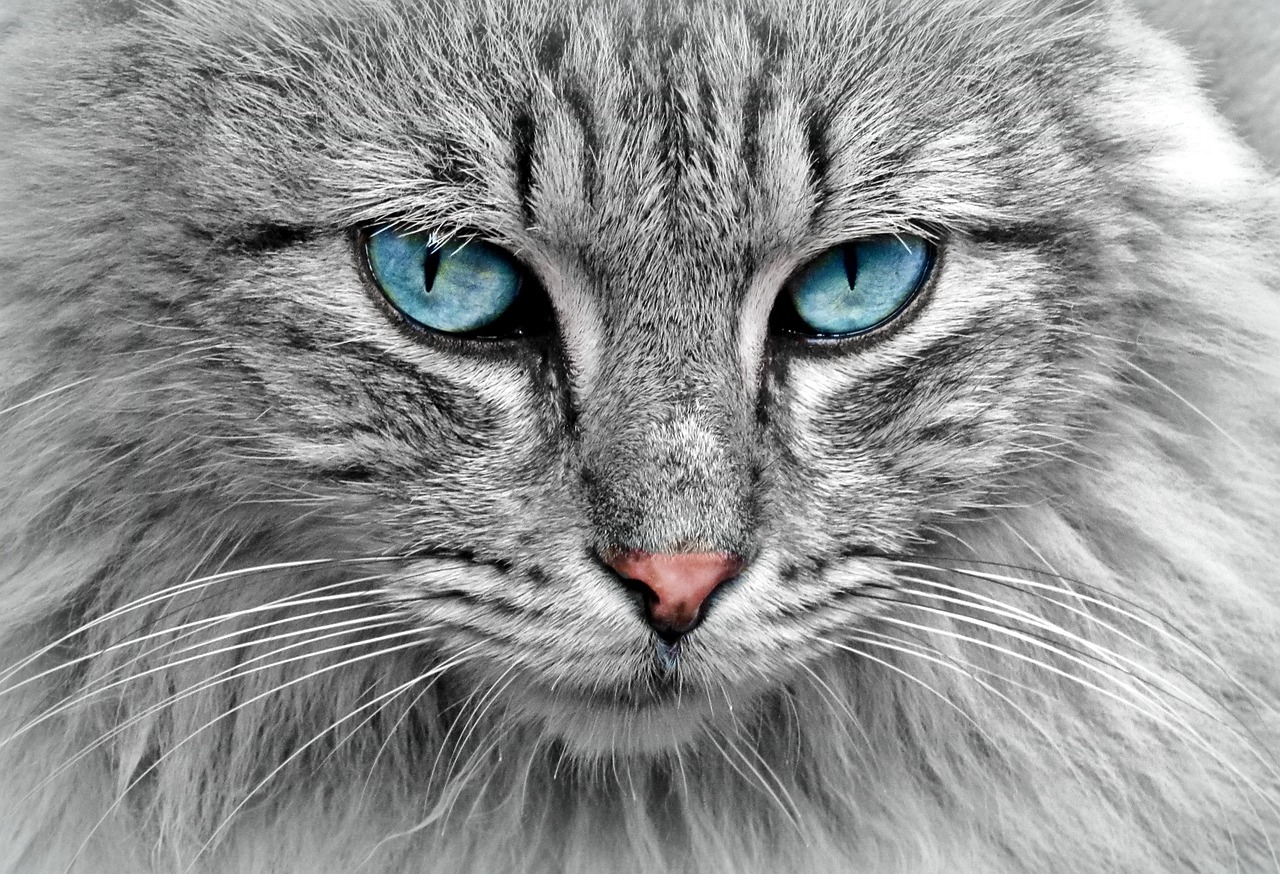

Introduction to the Importance of Nutrition for Senior Cats
As cats age, their nutritional requirements change significantly. It is crucial to understand these shifts to ensure the health and well-being of senior cats. Providing balanced nutrition is vital for maintaining a healthy weight, improving energy levels, and promoting organ function. A diet rich in essential nutrients, vitamins, and minerals is necessary to support their aging bodies. Additionally, senior cats often face dietary restrictions due to health conditions such as diabetes or kidney disease. Consulting with a veterinarian regarding the best dietary options tailored specifically for senior cats can greatly enhance their quality of life. There are specialized cat foods available that cater to these specific needs. These options include healthy fats, high-quality proteins, and fiber to maintain digestive health. Moreover, adequate hydration is essential; ensuring your feline friend consumes enough water contributes to preventing urinary problems. Therefore, it is essential to monitor their water intake closely. By providing proper nutrition, pet owners can help enhance their senior cat’s life expectancy while also promoting a vibrant lifestyle during their golden years.
Senior cat insurance is increasingly important as pet owners seek comprehensive coverage that addresses the specific needs of aging felines. As cats age, they are more prone to health issues such as arthritis, diabetes, and kidney disease. Therefore, having a reliable insurance policy can save pet owners exorbitant costs in medical bills and necessary treatments. Many insurance plans offer coverage for routine vet visits, surgeries, and even alternative therapies like acupuncture. Understanding the nuances of these policies can aid in choosing the right coverage for your pet. This means exploring various options that specifically cater to senior cats. Furthermore, some plans provide unlimited payouts and flexible reimbursement policies, ensuring peace of mind for pet owners. It is essential to ask about pre-existing condition rules, coverage limits, and deductibles to find the best fit. Engaging with a professional insurance agent can also help clarify the fine print. Ultimately, investing in senior cat insurance offers financial protection and grants pet owners the reassurance of providing the best possible care for their furry companions.
The Synergy of Nutrition and Insurance for Senior Cats
Combining proper nutrition with adequate insurance coverage establishes a robust foundation for senior cats’ well-being. By ensuring pets receive balanced diets and appropriate medical care, owners can significantly improve their quality of life. Insurance mitigates financial burdens during emergencies; with good nutrition, cats can avoid many health issues that require expensive treatments. A well-rounded diet aids in preventing obesity, heart disease, and tooth decay while maintaining an optimal weight. Regular veterinary check-ups, supported by insurance, allow for prompt identification of health issues as they arise. This proactive approach enables owners to manage potential problems before they escalate into serious conditions. Many insurance providers also offer wellness plans that cover preventive care, aligning perfectly with proactive nutrition. This synergy maximizes the longevity and vitality of senior cats while minimizing unexpected costs. Furthermore, educating oneself about nutrition and health enables pet owners to make informed decisions. Emphasizing the importance of both nutrition and insurance can generate a healthier community of senior cats that thrive in their later years.
Aging cats may experience changes in appetite and taste, necessitating adjustments in diet for better nutrition. This transition can be frustrating for pet owners, but understanding your cat’s preferences is vital. Introducing new foods gradually helps to facilitate this process and encourages acceptance. Many senior cat food brands now offer palatable options specifically designed to appeal to older cats. Additionally, moisture-rich diets can help keep senior cats hydrated. This is particularly beneficial for senior cats susceptible to urinary tract infections or kidney problems. By integrating these adjustments into their diet, pet owners can significantly enhance their cat’s overall health. Furthermore, observing your cat’s reactions to various foods can provide insights into their preferences or potential allergies. It may also be advantageous to rotate different types of protein; this can prevent boredom and encourage better eating habits. Coupling this dietary flexibility with comprehensive insurance coverage ensures that owners can respond swiftly to any unexpected health issues that arise amid these changes. Additionally, being aware of food recalls and quality control standards helps ensure that your senior cat receives the safest nutrition possible.
Understanding Common Senior Cat Health Issues
Senior cats are prone to various health issues that can impact their overall well-being. Among these, dental disease, obesity, and chronic illnesses are frequent. Gum disease can lead to pain and infection; thus, routine dental care becomes essential. Maintaining a well-balanced diet helps prevent obesity, a common issue in older cats. This can be achieved through portion control, high-fiber formulas, and low-calorie snacks. Diabetes and kidney disease are common in senior felines, and insurance plays a crucial role in managing these conditions. Regular veterinary check-ups and blood tests can reveal these illnesses early. Many pet insurance plans provide coverage for diagnostic testing and ongoing management treatments. Additionally, these plans can cover medications for chronic conditions, making treatment more affordable. Owners should discuss these potential health issues and insurance options with their veterinarians to ensure their senior cats live long, healthy lives. The combination of nutritional support and financial safety nets provides the best possible outcome for your aging feline friend, granting both pets and their owners peace of mind as they navigate the senior years.
Regular exercise is equally important for maintaining a senior cat’s health alongside nutrition and insurance. Engaging in gentle playtime enhances mobility and mental stimulation, helping to keep your cat fit and active. Simple activities such as interactive toys, feather wands, and gentle laser pointers can entice your senior cat to move while fostering bonding moments between pet and owner. Creating a safe, stimulating environment for play allows cats to explore and have fun while staying active. This physical activity promotes healthy weight maintenance and can help alleviate stress and depression in older felines. Providing varied play experiences can cater to their changing energy levels and physical capabilities. Additionally, ensuring that your senior cat has comfortable resting places allows for proper recovery. Most importantly, incorporating play into your daily routine increases the quality of life for both the cat and the owner. Moreover, highlighting the importance of routine exercise to your veterinarian can help identify any limitations your cat may have. A combined focus on nutrition, insurance, and physical activity promotes overall health and prolongs the joy of companionship well into their golden years.
Final Thoughts on Senior Cat Care
Caring for senior cats requires attention to multiple factors—nutrition, insurance, and physical activity are all intertwined. With age comes unique challenges, demanding a proactive approach to manage health issues and provide enrichment. Providing appropriate dietary options enhances well-being and longevity, while insurance safeguards against unforeseen expenses. Understanding your senior cat’s specific health needs allows for tailored care that evolves with them. Moreover, owners should stay educated about the latest advances in cat health and nutrition, fostering a knowledgeable environment for better decisions. Regular consultations with veterinarians ensure health status assessments and adjustments to care plans based on emerging needs. Emphasizing the combination of these aspects allows pet owners to create a holistic approach to senior cat care. By following these guidelines, owners can enhance their feline companions’ quality of life significantly. Embracing this journey with compassion and understanding strengthens the bond between humans and their beloved pets. Ultimately, providing the best nutrition, securing appropriate insurance, and promoting an active lifestyle paves the way for happy, healthy senior cats who can flourish during their golden years.
In conclusion, taking care of senior cats requires commitment and awareness. Every element, from what they eat to how they are insured, plays a role in their overall happiness and health. Nutritious diets improve their physical conditions while sufficient insurance coverage alleviates concerns regarding potential medical expenses. By addressing both needs, pet owners can facilitate longer, healthier lives for their senior cats. Prioritize their health by consistently evaluating their diet, medical insurance, and activity levels. This proactive approach enhances the experience of pet ownership, filling your days with joy and love while providing for your senior cat’s well-being. The effort will yield great rewards, as wholesome living leads to fruitful, loving companionship, granting both owners and felines precious moments during their remaining years. Having a plan in place for regular vet visits and monitoring their health status makes these golden years even more enjoyable. Remember, the responsibility of pet ownership extends beyond nutrition; each aspect, including engagement and care, contributes to creating a fulfilling life for your pets. Ultimately, investing in both nutrition and pet insurance ensures your senior cat lives joyfully and healthily.