
How to Adjust Jump Heights for Dogs of Different Sizes
When it comes to dog training, utilizing jumps and hurdles effectively is crucial for enhancing agility and building strength. To start, assess your dog’s size, age, and physical capability before beginning any jump training. Puppies or smaller breeds may require lower height settings to ensure safety and comfort, while energetic larger breeds can handle greater heights. A well-conditioned dog will thrive under proper guidance in managing jump heights appropriate for its skill. Gradual adjustments not only boost confidence but also promote a positive training experience. This tailored approach helps prevent injuries and fosters trust between the dog and trainer. Besides, jumping exercises can significantly enhance muscle tone, coordination, and endurance if approached correctly. Use lightweight hurdles to start with, allowing easier adjustments as the dog progresses. Furthermore, positive reinforcement is an incredible way to encourage your dog when they make successful jumps. Treats or verbal praises work wonders in keeping them motivated during training sessions, making the process fun and enjoyable. Ultimately, understanding how to modify jump heights catered to each dog’s specific needs will elevate their performance and enjoyment of the training experience.
Next, consider the different jump heights when training various breeds. For instance, small breeds like Chihuahuas or Pomeranians typically benefit from jumps set at 6 to 12 inches. This height ensures they can leap comfortably without strain. In contrast, medium-sized dogs such as Beagles or Border Collies can handle heights ranging from 12 to 24 inches. This height range allows them to develop their jump style and agility skills further. Lastly, larger dogs like Labradors and German Shepherds might thrive with hurdles set anywhere between 24 to 36 inches. This variety creates a safer training environment that leads to successful leaps. When adjusting jump heights, monitor your dog closely for signs of discomfort or fatigue. Each dog is unique, and what works for one might not suit another. Additionally, consistency in height alterations guarantees balance—allowing dogs to train progressively while decreasing the risk of injury. Keep in mind to increase height systematically to avoid overwhelming them. Always begin training sessions on flat, non-slippery surfaces to maintain stability. The equipment utilized is equally essential. Ensure the jumps used are well-constructed and designed to prevent accidents.
Creating a Safe Training Environment
Before initiating jump training, you’ll want to create a safe and comfortable training environment. Safety is the foremost priority when working with hurdles. Ensure the area is free from any obstacles or hazards that could cause injury. Using soft landing materials such as grass or mats will significantly reduce the risk of harm. Familiarize your dog with the training space to help alleviate any anxiety. Remember that different dogs will have various responses depending on previous experiences with agility training. Allow them to explore the environment before introducing any hurdles. This inquiry phase helps them feel secure and builds their confidence. Too often, dogs may feel intimidated by jump training, especially if they encounter hurdles that seem daunting. Proper introductions through positive experiences will yield better results. Reinforce positive interactions using treats or toys, taking the time to get them accustomed to jump heights gradually. Establish cues that instruct your dog when to jump and how high, ensuring clear communication about expectations. Employ consistent commands throughout the training session to create a common understanding and reliable response during jump practice.
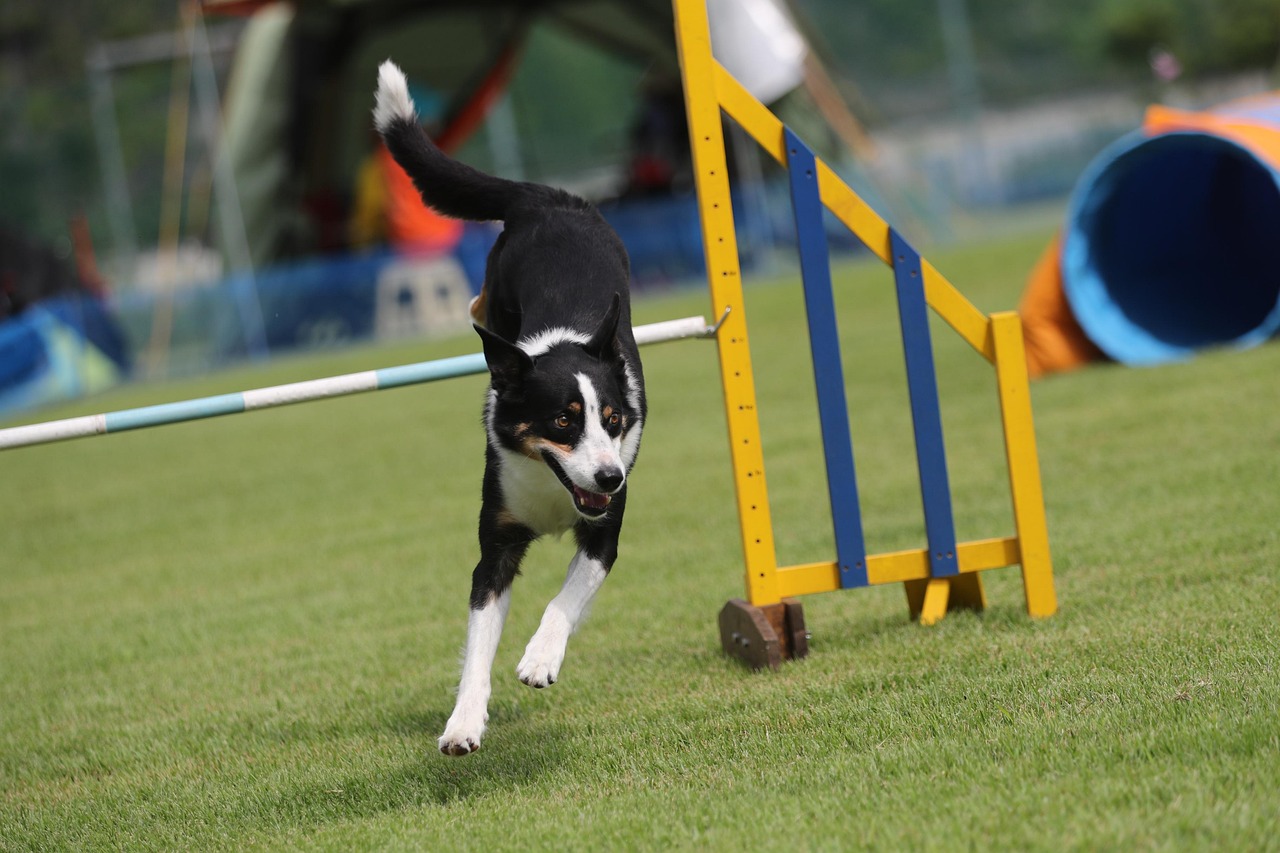
Another essential aspect of jump training is to incorporate variety in hurdle types and training exercises. Dogs benefit greatly from exposure to different styles of jumps, whether it’s a vertical bar jump or a broad jump. Utilizing diverse equipment keeps the training sessions exciting and mentally stimulating, encouraging improved performance. Additionally, variations like incorporating tunnels or weaving poles between jumps can also enhance their overall agility. Keep an eye on how your dog responds to these varied experiences. Dogs naturally enjoy learning through play, making it important to balance refinement with enjoyment. Including a few breaks during training helps prevent fatigue and prevents your pup from losing focus. Allowing time for rest ensures that your dog remains physically capable of continuing without risk of injury. When practicing jumps, it’s helpful to observe how your dog utilizes their body and adjust their training accordingly. If you notice your dog struggles, consider lowering the jump height temporarily to build confidence. Gradually increasing the height as they become more comfortable is an essential part of helping them progress.
Setting Realistic Goals
As a canine trainer, setting realistic goals for each dog is vital for successful jump training. These goals should be attainable, considering their size, breed, and current physical ability. Document their progress regularly and adjust objectives as necessary. Monitoring their development not only aids in identifying areas for improvement but also motivates the dog during training. Enthusiasm goes a long way and promotes a sense of accomplishment when reaching milestones. When dogs see improvement, it boosts their morale, leading to happier training sessions. Ensure you incorporate frequent rest breaks into the routine to promote recovery. Additionally, adapt your training to fit your dog’s physical limits while still being challenging. This balance lessens the chance of injury while promoting steady improvement. Track their performance across different jump heights, providing constructive feedback helps them excel. Additionally, stay flexible in your training approach, recognizing when certain methods may not suit your dog’s needs or abilities. This adaptability fosters a beneficial learning environment, allowing for a more supportive relationship between dog and owner through consistent training practices. Consistency is necessary in reinforcing positive behaviors during training, regardless of the jump height.
Finally, always remain patient and positive throughout the training process. Every dog has its rhythm and pace; some may progress faster than others. Keep in mind the importance of a supportive environment. Your encouragement plays a crucial role in their development. If they are struggling, increase the height incrementally until they feel more secure. Allowing them to gradually familiarize themselves with the jumps is an effective method in honing their skills. Reluctance from the dog at any point should signal a need for reassessment. Should your dog show fear or anxiety regarding certain heights, return to a level where they feel comfortable and confident. Being mindful of your dog’s feelings will encourage them more effectively. Training isn’t merely about achieving heights but also promoting a solid bond between you and your pet. Create a consistent routine and stress-free atmosphere that makes learning enjoyable. Celebrate every small achievement, encouraging your dog with praise or treats each time they attempt a jump or reach a new height. Ultimately, the joy of training stems from shared experiences, leading to an enduring bond through active participation.
Conclusion
In conclusion, properly adjusting jump heights for dogs of varying sizes hinges on understanding each dog’s abilities and creating a nurturing training environment. By focusing on safety, gradual progression, and fostering positive relationships, one can significantly enhance the effectiveness of jump training sessions. Each dog possesses unique strengths, and adapting training methods accordingly will build their confidence and lead to satisfying achievements. The principles discussed here can be applied to diverse types of dogs, making agility training accessible to all. Remember to use supportive training equipment, employ various exercises to keep sessions interesting, and celebrate every accomplishment. Staying flexible, patient, and attentive yields stronger connections between trainers and their dogs, enhancing overall success. Through dedicated practice, dogs can reach impressive heights that not only elevate their physical skills but also strengthen their bond with their owners. Future agility competitions could showcase the fruits of consistent training, showcasing dynamic pairs ready to take on any challenge. Embracing these techniques will help ensure that every dog—of all sizes—is given the opportunity to learn, grow, and thrive in the sphere of jump training.
Taking time to understand how to properly adjust jump heights allows trainers to cater the training experience to suit their dogs’ individual needs. No matter the size of the breed, fostering a stable and encouraging training ambiance is essential for success. Engaging with dogs positively can transform the jump training experience into one filled with growth, confidence, and excitement. Effective communication and adequately designed hurdles are key aspects that align with the importance of promoting gradual height adjustments. These aspects will pave the way for a fulfilling experience that spurs your dog’s eagerness to excel and showcase their agility abilities. Always remember that the journey of training waits to be embraced—it’s not solely about reaching the highest jump but sharing enjoyable moments with your dog along the way. Nurturing the bond built through training creates lasting memories that set the stage for a lifelong companionship based on trust, respect, and accomplishment. Gift your furry friend the chance to shine and thrive through well-planned jump training. As they leap over hurdles, so too will their confidence soar, resulting in a richer partnership.