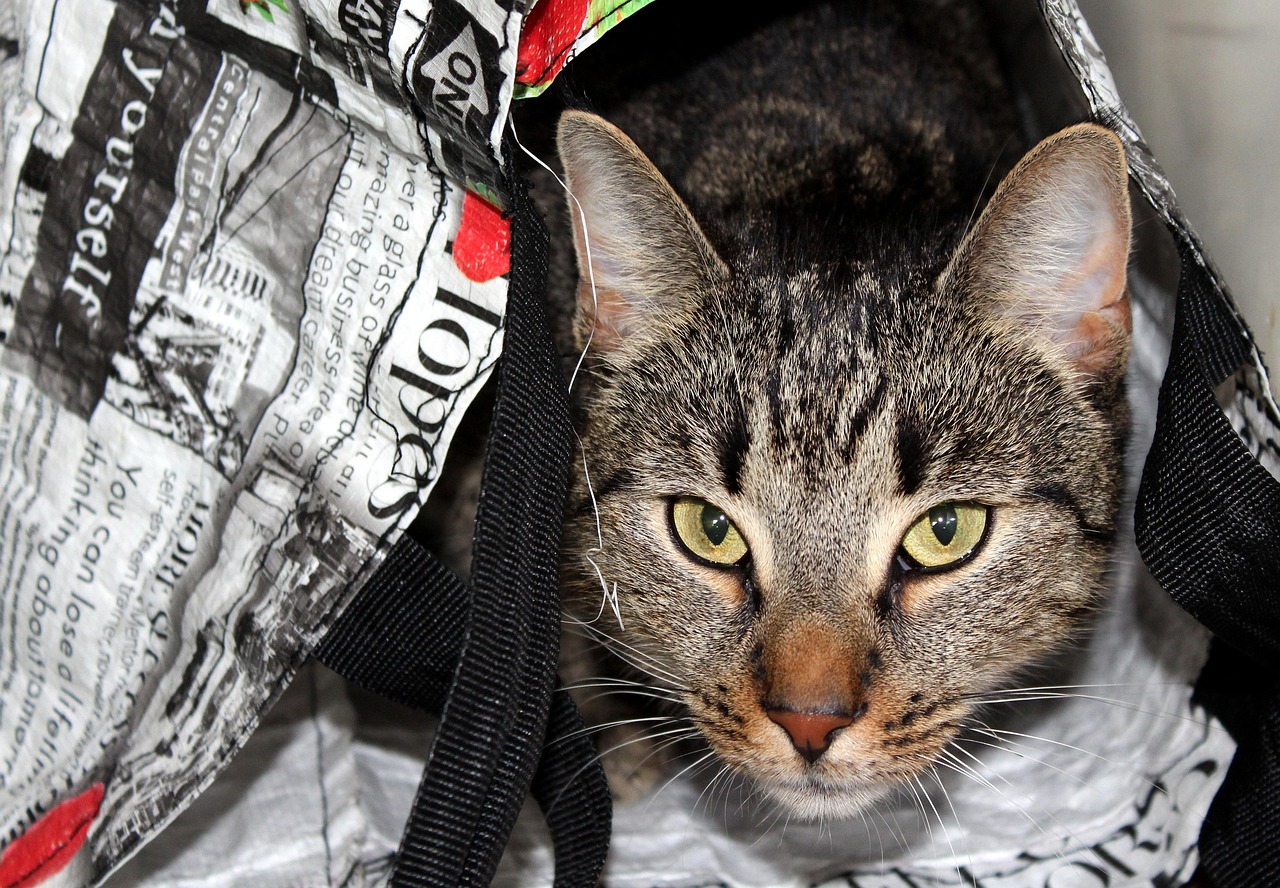

Coping With Cat Hiding During Home Renovations or Moves
When home renovations or moves are on the horizon, cats often display behaviors such as hiding and withdrawal. Such reactions are common, given that cats are creatures of habit and thrive on a familiar environment. Alterations in their surroundings can induce significant stress, leading to this undesirable behavior. To help your feline feel secure, try creating a safe space where they can retreat during such times. This designated area should be quiet and away from construction noise or packing chaos. Make it as comforting as possible, with their favorite bed and toys. Include familiar scents and personal items that provide reassurance. It is essential to continue engaging with your cat, offering affection and treats even if they seem withdrawn. An attentive owner can help alleviate a cat’s anxiety during these transitions. Additionally, consider using calming products such as pheromone diffusers or sprays, which can help soothe your pet. Understanding your cat’s needs and recognizing signs of stress will assist in minimizing their discomfort during these periods of change. Lastly, patience is vital, as it may take time to restore their normal behavior post-renovation or move.
Recognizing Stress Signs
While coping with your cat’s hiding behaviors, recognizing various signs of stress is crucial. Common indicators include excessive grooming, loss of appetite, and changes in litter box habits. Observing your cat keenly can help identify when their stress levels are peaking. Cats might also become more vocal or withdrawn than usual. They may hide in unusual spots, signaling their discomfort with the ongoing changes around them. Paying close attention to how they interact with their environment is key. Ensure that they have access to their favorite spots and familiar trade items even during the chaos. To encourage your cat to come out of hiding, try gently coaxing them with treats or their preferred toys. Ensuring that their space is comfortable, and free from overwhelming changes can facilitate their adjustment to new conditions. The aim should always be to build an environment where your cat can feel safe and be more at ease. Being empathetic to their feelings during this process increases the chances that they will adjust positively. Providing a quiet, calm, and stable environment is necessary for their emotional well-being during transitions.
In addition to recognizing signs of stress, you can also implement various strategies to help your cat navigate through the unsettling times effectively. One helpful method is to maintain their usual routines as much as possible. Cats appreciate predictability, so consistent feeding, play, and sleep schedules can provide them with comfort amidst the chaos. Setting up specific times for feeding and engaging in playtime can help ease their anxieties too. Incorporate fun toys and activities into their daily routine that can distract them from stressful events. Cats may also enjoy puzzle feeders, which encourage mental stimulation while they eat. Strengthening your bond during these times by spending time together can make a significant difference. Encourage your cat to engage in activities, like gentle petting or soft talking, to reassure them they are safe. Also, consider creating hiding spots within their designated safe area. This can include cozy blankets or spots beneath furniture, which can provide extra refuge. By implementing these strategies, you can guide your cat through this challenging period while ensuring their comfort and emotional well-being. Remember, consistency and affection are paramount to helping your feline adjust.
Using Calming Products
In situations where your cat is extremely anxious, it may be wise to explore calming products that can benefit their emotional state during home renovations or relocations. Various options are available, including pheromone diffusers and calming sprays, which replicate the scent of feline facial pheromones. These comforting scents can help reduce anxiety and promote feelings of safety. Many pet owners have found success in incorporating these products into their routines, particularly during stressful events. Consulting your veterinarian can provide additional insight into which products best suit your cat’s needs. It’s essential to give these calming products a bit of time to work and observe your cat’s reactions closely. Additionally, consider employing herbal remedies designed for feline anxiety relief, like those containing chamomile or valerian root. Many pet stores offer such supplements over the counter. Always introduce any calming product gradually and observe for any adverse side effects. Offering treats infused with calming ingredients can also be effective, helping associates positive moments with stress relief. Combining these products with gentle handling and reassurance can go a long way in creating a low-stress atmosphere for your cat.
Moreover, once your home renovations or moves are completed, monitoring your cat’s transition back to a state of comfort is imperative. Cats may initially take time to adapt to their new surroundings, showing persistent signs of hesitation or withdrawal. Assisting them in reestablishing their usual routines will be vital in this process. Gradually introducing them to different areas of your renovated home can help prevent overwhelming them, adjusting to each space at their own pace. Make sure that safe, familiar spaces are easily accessible as they begin to explore. Keep their food, water, and litter box in familiar locations while allowing them to claim new spaces for their comfort. Always approach them slowly, praising and rewarding them for exploring safely. It’s essential to provide a continuous source of reassurance during this time. If you notice any persistent withdrawal or signs of fear, it might be beneficial to consult with a veterinarian or a pet behaviorist for further guidance. Understanding your cat’s behavior, both during renovations and after settling in, emphasizes the importance of empathy and patience in their recovery journey.
Post-Move Support
As your cat adjusts to the completed renovations or new home, providing ongoing support is essential. Engaging in interactive play can be a great way to rebuild your bond. It encourages confidence, allowing them to explore without fear. Activities such as feather wands and laser pointers offer mental and physical stimulation, which helps ease anxiety. With patience, your cat will gradually regain comfort and curiosity in their surrounding environment. Monitoring their progress daily is crucial. Celebrate small victories, like when they venture out to explore a new corner of the room. Also, don’t forget to maintain consistency in routines, which can ease their anxiety. Regular feeding times and play schedules should stay intact to create a calming atmosphere. If your feline friend continues to show distress, consider providing additional hiding spaces with blankets or boxes, allowing them a safe lookout. Adding visuals like scratching posts or climbing towers can give them a sense of control over their space. Ultimately, resilience emerges when cats feel safe and supported. Providing attention and reassurance helps strengthen your bond as they adapt to any new circumstances in their lives.
In conclusion, addressing your cat’s hiding and withdrawal during home renovations or moves requires empathy, understanding, and proactive measures. By creating safe spaces, using calming products, and maintaining daily routines, you can significantly reduce your cat’s anxiety. Recognizing signs of stress early and implementing strategies to ease their discomfort is essential throughout this transition. Always be patient, as every cat adjusts at their own pace. Monitoring their behaviors regularly helps in understanding their emotional needs. Whenever possible, include reassuring interactions that build confidence and connection. Incorporating play and familiar items into their environment can make a difference in easing their transition. If the anxiety persists or worsens, seeking professional advice from a veterinarian can provide additional guidance tailored to your cat’s needs. Remember that renovations or moves are significant changes for your feline companions, and their feelings matter. With your support, patience, and love, they can navigate these challenging times and eventually return to their happy selves in their enhanced living spaces. Your efforts significantly contribute to your cat’s emotional well-being, and they will thank you with companionship and affection.