
Why Puppies Need Early Dental Care and How to Start
The foundation of good health for every puppy is attention to their dental care. Early dental care is essential to prevent dental disease, which can be painful and costly in the long run. Puppies are more susceptible to dental issues as their mouths and teeth are developing. Neglecting dental health during this crucial time can lead to serious problems. By starting dental care when your puppy is young, you’ll help ensure proper jaw alignment and overall oral health. Essentially, beginning this process early simplifies the task and avoids trauma later. Puppies often go through teething phases, which can contribute to bad habits and allow bacteria to flourish. As a responsible pet owner, it’s crucial to educate yourself about your puppy’s dental needs. Regular dental check-ups and appropriate at-home care play an important role. Providing safe toys for chewing and setting a routine for dental cleaning is also advisable to maintain their hygiene. Also, consider consulting a veterinarian for advice tailored to your puppy’s unique situation and routine that aligns with their dental health needs.
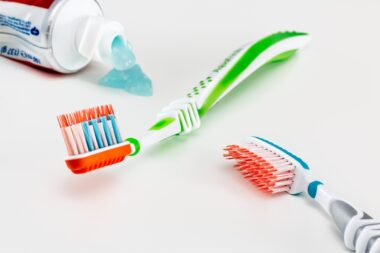
Puppies, just like human infants, are born without teeth and begin to get their first set of baby teeth around three weeks of age. It’s critical during this time to make them accustomed to having their mouths handled. For early dental care, applying a gentle finger brush or introducing toothbrushes designed for puppies can be valuable. Getting your puppy comfortable with these tools early will allow them to adapt to dental check-ups without fear. In addition, using dog-safe toothpaste flavored to attract their attention can improve their willingness to participate in dental maintenance. Chewy treats specifically designed for dental health can play a vital role in their oral routine. Look for options with proper certifications and check if they meet veterinary dental standards. Regular brushing, ideally every day, will help remove plaque and prevent tartar build-up. Additionally, infusing dental hygiene into playtime, such as using toys that promote chewing, creates a fun atmosphere for focusing on dental care. Having a consistent routine fosters acceptance of good hygiene practices, making it simpler as they grow older.
Signs of Dental Disease in Puppies
Dental disease can sneak up on you, so being aware of its signs is a critical part of keeping your puppy healthy. Common indicators often include oral discomfort which may be displayed through behaviors such as reluctance to eat or play. You’ll want to watch for excessive drooling, bad breath, or inflamed gums, as these symptoms often indicate any underlying dental issues. In more severe cases, you might notice your puppy pawing at their mouths or looking distressed when chewing. These signs require immediate veterinary attention. Regularly inspecting your puppy’s teeth and gums is important, as even subtle changes can lead to bigger problems if overlooked. Catching dental disease early can save both your puppy’s health and your wallet. Understanding how to correctly brush your puppy’s teeth and identifying the right tools can go a long way. Always ensure that your puppy is not given human food that contributes to plaque build-up, as maintaining a diet designed for dental health is essential. By being proactive, you can greatly reduce the risk of dental diseases.
One of the most effective prevention strategies for dental disease in puppies is establishing a routine that incorporates dental care into their lifestyle. Just as you train your puppy to sit or stay, making dental hygiene a regular part of their daily habits is crucial. Choose consistent times during the day when both you and your puppy are relaxed so that you can focus on brushing their teeth or checking for issues. Implement professional dental cleanings at your veterinary office according to your vet’s recommendations to complement home care. This combination will produce the best results in keeping their oral health in top shape. Furthermore, don’t underestimate the importance of keeping an eye on their diet. Introducing dental-friendly kibble or high-quality wet food can help prevent the build-up of tartar. Be sure to offer chew toys made with safe materials specifically designed to promote healthy teeth and gums. Such toys can help provide mechanical abrasion, combating plaque formation while also engaging your puppy in playful activities, ensuring their oral hygiene fittingly incorporates exercise.
Conclusion and Final Tips
Puppy dental care is undeniably important, serving as a long-term investment in their health and happiness. Emphasizing routine checks at home alongside veterinary visits creates a comprehensive strategy for tackling dental disease. Early intervention is key; by addressing dental health proactively, you ensure a painless and effective way of maintaining your puppy’s health. The idea is to create a positive experience around dental hygiene, reducing fear or anxiety about having their teeth examined or brushed. Employing treats can dramatically increase their enthusiasm and compliance during dental routines, so it’s wise to incorporate fun elements. Moreover, educate all family members involved in caring for your puppy about the importance of dental health. By fostering an environment that prioritizes dental care, your puppy will grow into a well-rounded, unharmed adult dog with vibrant health. Remember, it is never too late to start dental care if your puppy’s routine hasn’t included it yet, although starting early reduces the risk of issues. Help ensure a bright smile for your furry companion, promoting a long, happy life together.
In summary, investing effort into your puppy’s dental care from an early age fosters lifelong benefits. Consistently inspecting their mouth and introducing dental hygiene practices while keeping it enjoyable will lead to success. Also, communication with your veterinarian will provide essential insights and recommendations tailored to your puppy’s needs. Regularly scheduled vet visits will ensure these practices are effective and prompt intervention with any arising issues. Additionally, creating a customized plan concerning dental health will not only map the journey but also make you more aware of your puppy’s development. Always prioritize using high-quality dental products that are specifically designed for pets to ensure their safety and compatibility. Choosing products with veterinary endorsements is the best approach. Improving your puppy’s dental health will ultimately contribute to their overall well-being. This means less spending on dental diseases later in life and giving your puppy the best start possible. With the right knowledge, tools, and techniques at hand, early dental care will be an extraordinary and rewarding experience for both you and your furry friend.
Additional Resources for Puppy Dental Care
If you’re seeking more information on effective puppy dental care strategies, various resources are available online and through your veterinarian. Many pet supply stores have dedicated sections for dental health, showcasing articles and guides on maintaining your puppy’s teeth. Visiting reputable websites and reading up on the latest dental instruments can also provide deeper insights. Educational websites offer tips specifically geared towards different breeds and their unique dental challenges. Considering the diverse array of dental formulations available, seeking veterinary recommendations is vital. Numerous organizations focus on pet health advocacy and provide resources that can help owners navigate puppy dental care with expertise. Engaging in community discussions on platforms or social media can further enhance your knowledge base with real-life experiences shared by other puppy owners. Many online pet care forums are helpful for discovering the best products and seeking advice. Being part of such communities can furnish ongoing support and updates about puppy dental practices, thus keeping your knowledge current and beneficial for your growing pup.