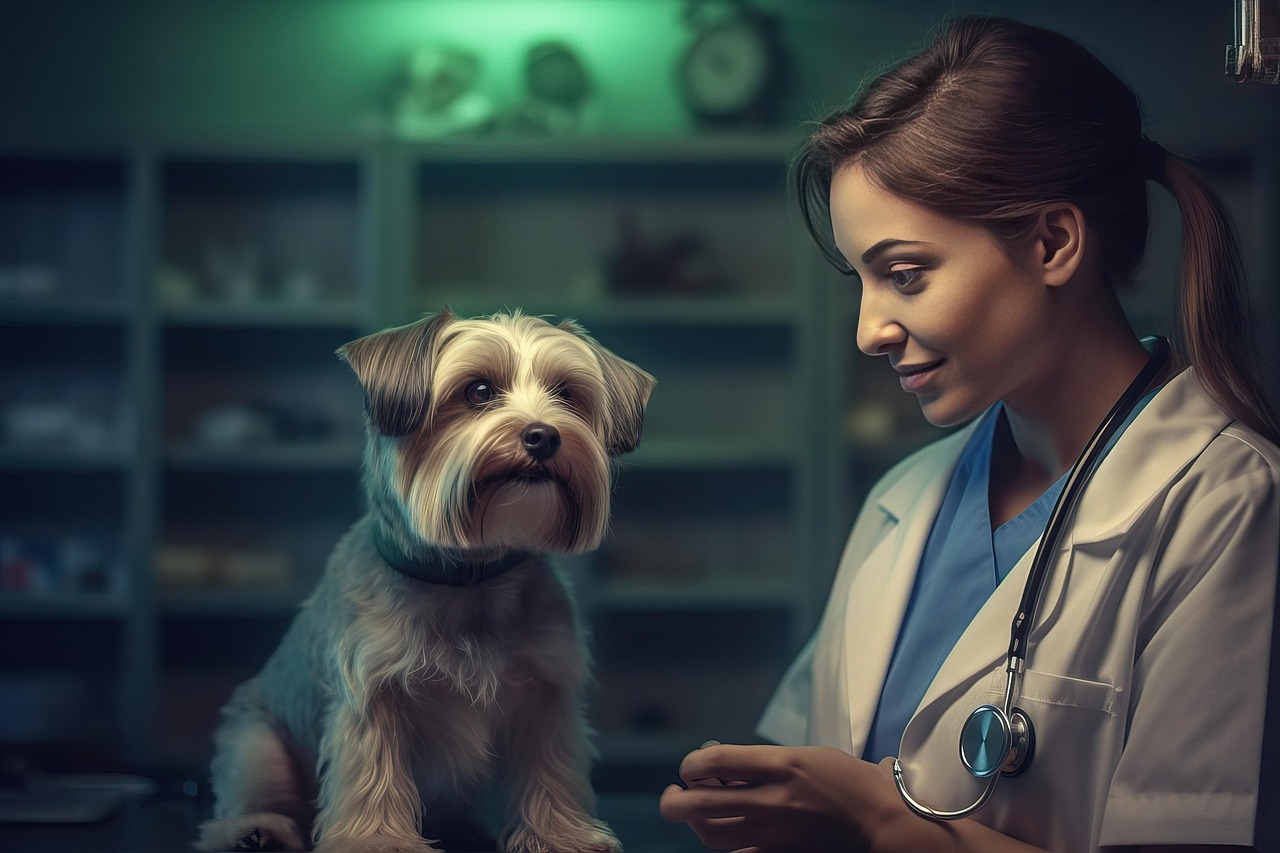

How Technology is Improving Dog Vaccination Services
In recent years, technological advancements have fundamentally transformed various sectors, including veterinary services. One notable area of improvement is dog vaccination clinics. These clinics have embraced digital tools, enhancing the experience for pet owners and their furry companions. From online appointment scheduling to digital vaccination records, technology streamlines operations, allowing more efficient service delivery. Moreover, many clinics have adopted mobile applications that keep pet owners informed about their dog’s vaccination status. Users can receive reminders for upcoming vaccinations directly on their smartphones. This improved communication reduces the chances of missed appointments. Additionally, educational resources on vaccination schedules and health tips are often provided through these platforms. This accessibility encourages responsible pet ownership and ensures that dogs receive timely vaccinations. Overall, technology has not only improved clinic efficiency but also empowered pet owners to take an active role in their dog’s health management. With advancements like telemedicine consultations, veterinarians can diagnose and recommend treatments remotely, making it easier for pet owners to access expert advice. This digital transformation heralds a new era in pet healthcare, where innovation drives better outcomes for dogs and their families.
Another significant innovation is the implementation of electronic health records (EHRs) within dog vaccination clinics. EHR systems digitize a pet’s complete medical history, making it easily accessible to veterinarians regardless of the location. When a dog visits different clinics, vets can promptly retrieve vaccination records and health information, ensuring consistent care. This interconnected system bridges any gaps in records and aids comprehensive medical assessments. Furthermore, such systems enable clinics to track vaccination trends and analyze data trends over time. This analysis can result in more tailored vaccination strategies, focusing on the specific needs of different canine demographics. By customizing vaccination programs, veterinarians can ensure better prevention against diseases affecting dogs. Clinics equipped with EHRs can also streamline administrative functions such as billing and invoicing, reducing paperwork and increasing operational efficiency. As the movement towards digital records continues, user-friendly interfaces are being developed, making it easier for pet owners to access their dog’s health information. This fosters transparency and trust between pet owners and veterinary professionals. The enhanced communication facilitates stronger partnerships in dog health management, ultimately benefiting dogs and enhancing their overall quality of life.
Telemedicine in Dog Vaccination
Telemedicine is at the forefront of modern veterinary care, proving beneficial for dog vaccinations. This innovative approach allows pet owners to consult veterinarians remotely through video calls or chat features. Telemedicine becomes particularly significant when considering the transport challenges often associated with taking a dog to a clinic. Older dogs or those with mobility issues may struggle with traditional clinic visits. Thus, technology eliminates hurdles posed by such circumstances, providing accessibility and convenience. Virtual consultations allow veterinarians to assess symptoms and provide recommendations about necessary vaccinations. Furthermore, this method reduces stress for both dogs and their owners. Many dogs experience anxiety during trips to veterinary clinics, and telemedicine helps avoid such experiences. Pet owners can still receive critical advice on vaccination schedules through these consultations. In cases where physical examinations are needed, veterinarians can efficiently guide pet owners on symptoms requiring immediate attention. Additionally, records of telemedicine consultations can seamlessly integrate into electronic health records, promoting continuity of care. As a result, the combination of in-person visits and telemedicine creates a holistic approach, maximizing the health benefits for dogs while easing the pet ownership experience.
In addition to telemedicine, data analytics plays a crucial role in enhancing dog vaccination services. Veterinary clinics can utilize big data to monitor vaccination effectiveness and populations at risk of endemic health issues. By analyzing data, clinics can identify trends related to specific dog breeds, ages, or health conditions. These insights enable clinicians to recommend personalized vaccination strategies, ensuring that each dog receives vaccinations tailored to its unique needs. For instance, certain breeds may be more vulnerable to specific diseases, and data-driven approaches can prioritize vaccinations against these illnesses. Moreover, clinics can enhance the educational outreach of vaccination campaigns by utilizing analytics to determine the most effective formats and platforms for sharing vital information. Targeted communication strategies can increase public awareness regarding vaccination importance and encourage compliance among pet owners. This data-centric approach empowers both veterinarians and pet owners, thus fostering a community of informed pet guardians. By harnessing the power of analytics, clinics can not only improve vaccination rates but also enhance the overall health and well-being of the dog population, ultimately contributing to a more healthy environment for all canine companions.
Real-time Inventory Management
Effective inventory management in vaccination clinics is another critical area improved by technological interventions. Clinics now employ inventory management systems that enable real-time tracking of vaccine supplies. This ensures that clinics are always stocked with necessary vaccines, minimizing the risks of shortages. These automated systems facilitate seamless orders and inventory levels are updated instantaneously whenever a vaccine is administered. Consequently, this optimizes supplies without over-ordering or allowing vaccines to expire due to poor management. Improved inventory practices lead to cost savings, enhancing the sustainability of dog vaccination services. In addition, some systems send alerts when stock levels drop below a certain threshold, allowing for timely reordering and ensuring continuous service availability. This tech-savvy solution also offers historical data reports, which help clinics analyze vaccine usage patterns over time. This information is invaluable for future planning and strategic decision-making. Furthermore, clinics can adopt integrated systems that connect inventory with appointment scheduling software, ensuring optimal scheduling of vaccinations based on available supplies. In this way, technology not only streamlines the operational side but also enables better health outcomes for dogs through efficient and reliable vaccination processes.
Moreover, technology also enhances customer relationship management (CRM) within dog vaccination services. CRM systems help veterinary clinics manage their interactions with pet owners effectively. These systems store vital information, including vaccination history, appointment details, and follow-up reminders. By leveraging CRM technology, clinics can improve communication, significantly increasing client satisfaction. For example, sending automated reminders for upcoming vaccinations or health check-ups guarantees that pet owners stay informed and engaged. This timely communication nurtures relationships between clinics and pet owners, encouraging them to prioritize their dog’s health. Additionally, clinics can gather and analyze feedback on services provided through CRM systems, fueled by customer surveys or online ratings. This helps identify areas for improvement, ensuring that clinics remain responsive to client needs. Technology bridges gaps and aids personalization; this fosters community connections as well, as pet owners feel more valued. As relationships grow stronger, pet owners are more likely to adhere to vaccination schedules and maintain their pets’ health through regular check-ups. A positive veterinary experience becomes crucial for promoting responsible pet ownership, demonstrating how CRM technology benefits the overall landscape of dog vaccination services.
The Future of Dog Vaccination Services
Looking towards the future, the potential for technological enhancements in dog vaccination services remains vast. Innovative solutions, such as artificial intelligence and machine learning, offer new ways to analyze vaccination data more efficiently. This could lead to even more sophisticated personalized vaccination strategies. Furthermore, the use of mobile health applications is on the rise, allowing pet owners to manage their dog’s health parameters seamlessly from their smartphones. These applications can track vaccination schedules, set reminders, and even integrate with wearable health devices to monitor vital signs. Such advancements could greatly enhance preventative care, detecting health issues before they escalate. Furthermore, blockchain technology presents opportunities for secure tracking of vaccination records across different clinics. This added layer of security and transparency can foster trust between pet owners and clinics, ensuring accuracy in their dog’s health documentation. As the technological landscape evolves, the veterinary sector can expect more collaborative solutions for vaccination and health management. Together, these advancements indicate an exciting future landscape for dog vaccination services, focused on health innovation, enhanced communication, and overall well-being for our beloved canine friends.
As dog vaccination services continue to integrate various technologies, the implications for pet health are profound. Increased accessibility, enhanced communication, and data-driven strategies combine to reshape the way vaccinations are managed. This positive momentum encourages a proactive approach to dog health management, fostering preventive care, which is always preferable. Ultimately, the combination of digital innovation and passionate veterinary care creates a health ecosystem that works in favor of pets and their families. With every vaccination and clinic interaction, technology amplifies the ability to deliver quality care. The increasing involvement of tech resources provides both veterinarians and pet owners with tools to ensure dogs are safe from preventable diseases. This enrichment of dog vaccination services ensures that pets lead longer, healthier lives. As we continue to embrace these changes, we witness a significant shift in how we approach pet health—not merely reactive care, but proactive, informed actions. Ultimately, the continued amalgamation of technology and veterinary care will create a future where every dog receives the attention and care it deserves.