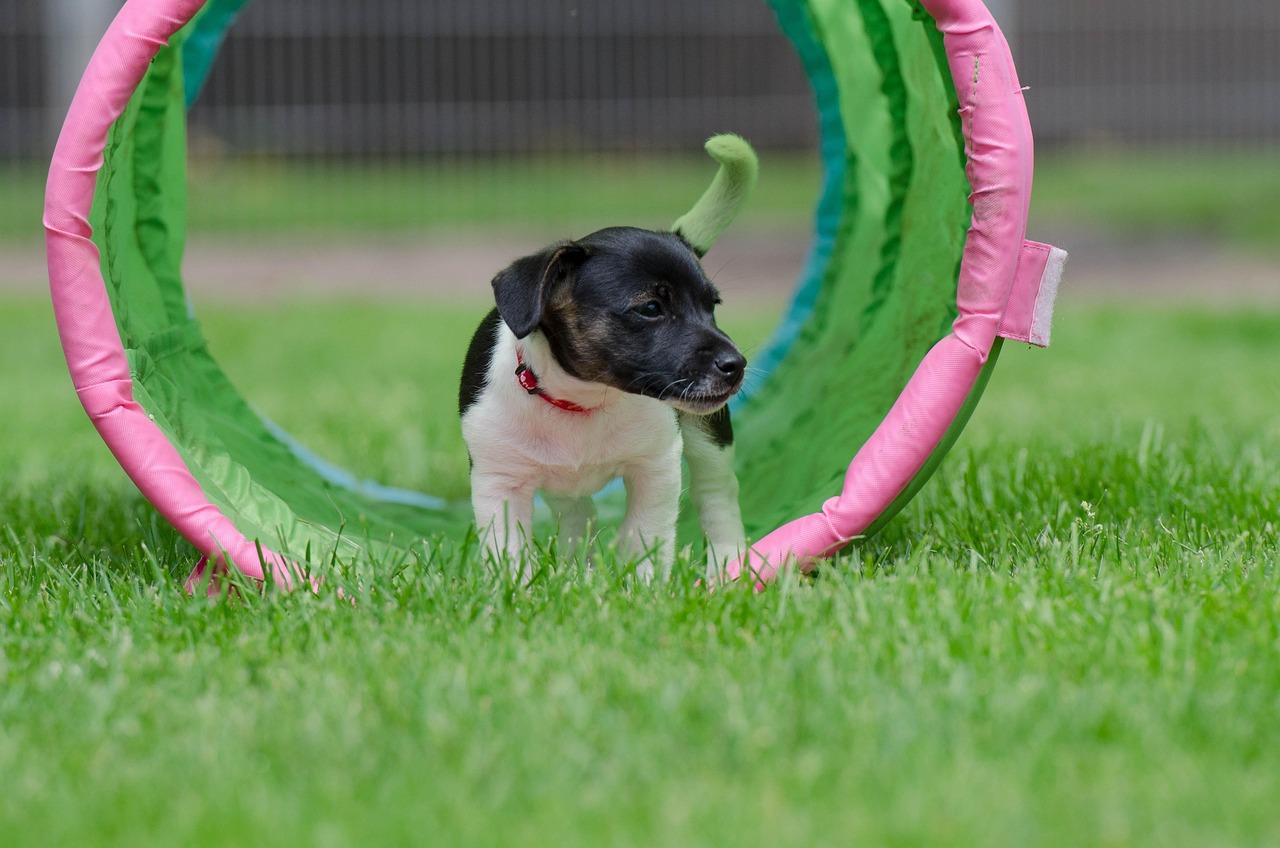

Step-by-Step Guide to Socializing Your Puppy
Socializing your puppy is a vital process that can profoundly influence their behavior for the rest of their lives. Early socialization aids in developing essential life skills and can help prevent common behavioral problems. To begin the socialization process, expose your puppy to a variety of people, environments, and other animals. This exposure should begin as soon as you bring your puppy home. You can start with simple interactions at home, gradually introducing them to new experiences outside. Always ensure these early encounters are positive, using treats and praises to encourage good behavior and confidence. For optimal development, enlist the help of friends or family members. Invite them over to meet your puppy, allowing your pet to interact in a safe, controlled environment. Additionally, visit parks, shops, or busy streets where your puppy can observe different things while remaining calm. If possible, also consider enrolling in a puppy socialization class to ensure they meet other puppies and people. Follow these guidelines consistently, and you’ll help your puppy grow into a well-rounded dog. Always remain patient, as every puppy learns at their own pace.
A critical part of socializing your puppy involves letting them meet and play with other dogs, which teaches them about canine communication and behavior. Before any interactions, ensure your puppy has received their vaccinations to protect them from contagious diseases. Start with meeting puppies of similar size and temperament at controlled environments or puppy playdates. Monitor their body language to assess comfort levels, ensuring a safe and fun experience for all involved. Puppies may exhibit playful behavior, such as wagging tails and play bowing, indicating they wish to engage. However, discouraging aggressive or fearful behavior is essential. Take breaks if play becomes overwhelming for your puppy. Always be ready to intervene gently if barking or growling escalates, allowing your puppy to feel secure. Additionally, ensure all playmates are vaccinated and healthy. Choose well-managed dog parks or puppy classes where supervision is ensured. Engaging with other dogs helps alleviate fear and anxiety, resulting in healthy social behavior in adulthood. As your puppy becomes more confident, gradually introduce them to larger groups of dogs. The overall goal is to create positive associations with other canines, which will remain well into their adult years.
Positive Reinforcement Techniques
Implementing positive reinforcement during socialization is a powerful tool that can enhance your puppy’s learning experience. Positive reinforcement entails rewarding your puppy for desirable behaviors, particularly during socialization. Using treats, toys, or praise can motivate your puppy to engage positively with new experiences. Begin by offering your puppy treats when they approach new people, other pets, or unfamiliar situations. Repeat this process consistently to build positive associations. For example, if your puppy successfully greets another dog, reward them immediately. This helps your puppy understand the benefits of social interaction. Praising your puppy when they remain calm in challenging environments also reinforces their confidence. Additionally, establishing a consistent cue, such as “good girl” or “yes,” enables your puppy to recognize valued behaviors effectively. Gradually increase the complexity of socialization situations with time, allowing your puppy to build trust in your guidance. It’s essential to remain patient and understanding, as young dogs may be timid or overwhelming at first. With consistent practice and reinforcement, your puppy will learn to thrive in various social situations, assuring a well-behaved dog in the years ahead.
Another crucial aspect of successful puppy socialization is exposure to different sounds and environments. Exposure to various noises, like traffic, sirens, and household sounds, helps puppies to become accustomed to their surroundings. Start in a controlled environment and gradually introduce these sounds at a comfortable level. For instance, play recordings of different noises softly while playing or feeding your puppy. Monitor their reactions to these new sounds, rewarding them with treats and praise for calm behavior. If your puppy demonstrates fear, reduce the volume and increase the gradual exposure, ensuring it remains a positive experience. Additionally, take your puppy on different adventures, such as visiting parks, cafes, or even shopping centers, which will help them adapt to diverse environments. Varying the locations you visit will help your puppy learn to navigate different situations while remaining composed. Always supervise your puppy’s behavior in new environments, stepping in to provide reassurance and a consistent presence. Incorporating a wide range of experiences helps prevent future anxiety-related issues and equips your puppy with confidence. Over time, your puppy will develop comfort in unfamiliar situations, ensuring adaptability and ease wherever you go.
Handling Negative Experiences
No matter how carefully you prepare for socialization, negatives experiences can occur. If your puppy encounters something frightening—a loud noise or an aggressive dog—it is crucial to manage that experience correctly to prevent lasting fear. If your puppy exhibits fear or anxiety in a situation, immediately remove them from the cause. Instead of forcing interaction, redirect their attention toward something familiar, like a toy or treat. By doing so, you restore a sense of safety and comfort. Afterward, it’s vital to reassure your puppy with calm praise and gentle touches. Allowing your puppy to safely observe the source of their fear at a proper distance might instill confidence over time. The focus should be on encouraging calmness, avoiding punishment or harsh discipline, which can exacerbate fear. Consider gradual desensitization to help your puppy learn the environment is safe. Approach situations in controlled circumstances, using exercises that adjust their comfort levels. In return, this helps reduce future reactivity toward similar experiences. Consistent positive reinforcement following each encounter can replace fear with confidence through constructive learning.
Creating a consistent routine for your puppy is an essential element in successful socialization. Establishing a daily schedule helps your puppy understand what to expect, providing a sense of security. Regular outings and socialization experiences should be part of your routine. For instance, daily walks around the neighborhood, visits to various parks, and training sessions should become integral. Vary the routes and environments while keeping those outings brief as puppies may tire quickly. Instilling variety keeps puppyhood exciting while reinforcing positive experiences. Plan playdates with friends or family who have well-socialized dogs to keep interactions frequent and enjoyable. Consistency also applies to training, integrating basic commands into your excursions. Practice recall or leash walking during outings to reinforce learning in real-world situations. Always make time for downtime as well; puppies need naps and quiet moments to recharge. Remember that every puppy learns differently, tailing socialization around your puppy’s unique needs will ensure the best outcomes. Patience, along with consistent routines, builds confidence and social skills, molding your pet into a well-adjusted adult dog.
Monitoring Progress and Adjusting
Finally, continuous observation and monitoring of your puppy’s socialization progress is essential. Keep a journal noting your puppy’s experiences, responses to stimuli, and comfort levels during outings. Documenting successes and areas requiring improvement aids in tailoring their socialization plan. If your puppy shows signs of struggle or anxiety in certain situations, take action to reconsider those experiences. Gradually rethink the exposure levels or alter your approach, ensuring their feelings and needs are prioritized. Collaborating with a professional dog trainer can provide insights tailored specifically to your puppy’s behavior. All puppies are unique, and adjusting techniques can vary your training results significantly. Celebrate achievements, no matter how small, reinforcing learning through positive experiences boosts your puppy’s confidence. Stay vigilant for any regressions; some may occur, especially during developmental phases. Providing continued training and socialization opportunities is key to addressing these challenges. Developing a trusting relationship with your puppy through this process will boost cooperation and eagerness to learn. Ultimately, your dedication during socialization will yield a happy, well-adapted, and confident dog who thrives in various situations.
Socializing your puppy meticulously is an invaluable investment for both of you. Getting this right ensures your dog enjoys a healthier social life and a stronger bond with you, transforming the way they engage with the world. The outlined steps, techniques, and ongoing adjustments create a solid framework, undoubtedly guiding you in successfully socializing your puppy. Remember to maintain patience as growth takes time, but consistent reinforcement builds robust skills over time. Prioritize making experiences positive; your puppy will reward you with loyalty and companionship that keeps on giving. With your dedication, you will be able to watch your furry friend thrive as they grow, boosting their overall happiness and behavior into adulthood. Incorporate diverse yet manageable situations that enable sustainable confidence. If challenges arise, do not hesitate to seek professional input to ensure your puppy’s needs are met effectively. Ultimately, your commitment can mold a well-rounded canine companion, allowing your dog to become an engaging member of your family and community. Enjoy this journey as a unique bonding experience, ensuring both you and your puppy participate in the ongoing adventures ahead.