
Creative Composition Techniques for Cat Toy Photography
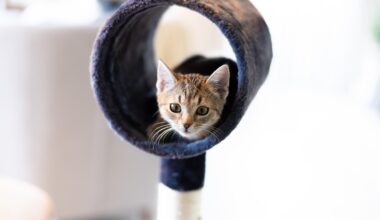
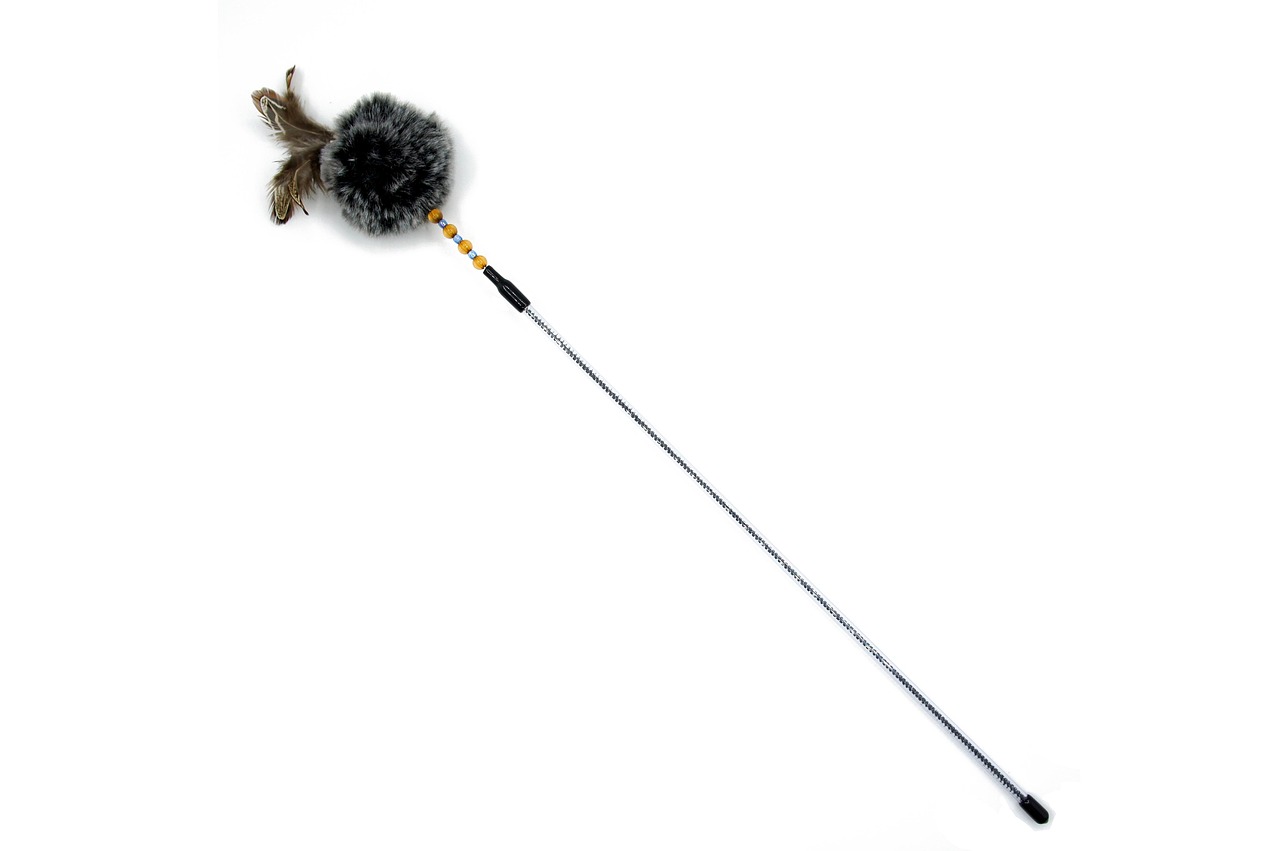
When photographing cat toys, proper composition can elevate your images significantly. The first step is to consider the placement of the toy. Positioning the toy in the foreground against a blurred background can create depth, making your subject stand out. Experiment with various angles: shooting from a low perspective can give the viewer a cat’s-eye view. Utilize natural light as it enhances colors and gives a soft glow to the toys. Early mornings and late afternoons are often ideal times for capturing warm hues in your photographs. Don’t forget to play with shadows; they can add drama to your images. Try to include a playful element, such as a cat interacting with the toy, to convey action and emotion. The right background can also make a significant difference; choose colors that contrast well with the toy to grab attention. Use props or complementary items to create a cohesive theme and enhance the storytelling aspect of your photograph. Lastly, always ensure the toy is clean and in good condition to showcase it effectively, presenting a quality image for potential buyers or to share on social media.
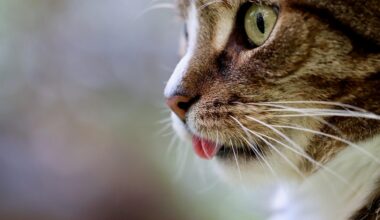
After mastering basic composition, you can explore creative techniques that engage your audience. One effective method is to introduce movement into your photos. This can be achieved by capturing the toy in action, like being batted around by a playful cat. Alternatively, consider using a slow shutter speed to create a sense of motion. This technique can give your images a dynamic feel and convey excitement. Another creative method is to incorporate reflections. You can place glossy surfaces underneath your toys to reflect them, adding an artistic touch. An unusual perspective, such as shooting from above, can offer a unique take on a routine subject. Additionally, utilizing negative space can draw attention towards the toy and convey a serene vibe. Layering elements, such as shooting through a window or foliage, can create depth and intrigue. Close-ups work beautifully for capturing textures and details of the toys. Aim for a balanced composition; rules such as the rule of thirds can guide your framing decisions. Ultimately, experimentation is key; exploring these techniques may lead to finding your own unique style and perspective in cat toy photography.
Utilizing Props and Backgrounds
When photographing cat toys, the setting plays an essential role in the overall aesthetic. Think about what props can enhance your images. Items such as colorful yarn, textured fabric, or even themed backdrops can add visual interest. Ensure that any props used are safe for your feline subjects. A playful setup that invites interaction can lead to more engaging photographs. Utilize surfaces that contrast with the toy’s color; a bright toy against a soft pastel background can create striking images. Natural elements like grass, wood floors, or garden backgrounds often beautifully complement the scene. Consider using various materials such as pillows or blankets, which can provide a cozy, inviting feel to your photographs. You might also want to incorporate seasonal themes; for instance, autumn leaves or holiday decorations can provide a timely context. Experiment with different surfaces and props until you find the right combination that flatters your toy and appeals to viewers. Consistency in your backdrop choice can contribute to establishing your personal brand as a cat photographer, helping your images to become instantly recognizable and memorable.
Lighting is an often overlooked but crucial element in cat toy photography. Natural lighting is generally the best choice, as it enhances color and creates soft shadows, making the toys pop. Avoid harsh midday light, opting for early morning or late afternoon when the sun is lower in the sky. If natural light isn’t available, consider using diffused artificial lights that mimic a softer daylight tone. When shooting indoors, try placing the toys near windows; the indirect light can yield beautiful results. Play with the exposure settings on your camera; slightly underexposing can produce rich colors. Additionally, consider using reflectors to fill in shadows and highlight details. If you want to create a dramatic effect, side lighting can add depth and texture to your photographs. If capturing products for sale, uniform lighting across multiple shots maintains consistency. Being mindful of the light source will help minimize distractions, allowing the toy to be the focal point. Assess your surroundings and manipulate the light to your advantage, transforming even the simplest setups into eye-catching visuals.
Engaging Your Feline Model
If your photographs involve a cat interacting with toys, engaging the feline model is essential. Before the shoot, allow the cat to become familiar with the toy and surroundings. This decreases stress and encourages natural behavior during the session. Use treats or toys to capture their attention, creating an opportunity for spontaneous moments. Patience is crucial; let the cat play and explore. Avoid forcing your model into poses; the best photographs often occur when the cat is comfortable and behaving freely. Capture candid shots of playful moments or curious interactions with the toy. Incorporating their unique personality makes for an engaging photo that resonates with viewers. Taking breaks can help maintain your cat’s interest too. If they tire or seem disinterested, pause the session and come back later. Continuously assess your surroundings; consider how the cat interacts with the props while candidly capturing these interactions. Ultimately, the goal is to reflect the cat’s joy and spirit, showcasing their individuality while they engage with the toys. A relaxed and happy model will translate to vibrant, heartfelt images.
Post-processing plays a significant role in the final presentation of your cat toy photographs. Begin with basic adjustments, such as cropping to enhance composition and improve focus on the toy. Brightening the overall image can help it stand out, while adjusting contrast adds depth and makes colors more vibrant. Utilizing color correction tools is vital to ensure the product represents accurately; this is especially important for online listings. Lightroom and Photoshop are excellent platforms for editing, providing a range of features tailored for enhancing photographs. Use sharpening tools to emphasize key details, but be mindful not to overdo it to maintain a natural look. Adding a slight vignette can draw attention toward the subject. If the image feels flat, consider adding layers for a dynamic appearance. Lastly, don’t hesitate to apply filters, but remember to keep the look consistent across your collection. This consistency builds your brand and improves recognition among viewers. With a well-executed post-processing plan, your cat toy photography will not only improve but also attract a wider audience, resulting in greater engagement.
Sharing and Engaging with Your Audience
Once your photographs are polished and ready, it’s important to showcase them effectively. Start by sharing on social media platforms such as Instagram, Pinterest, or specialized pet photography websites. Utilize appropriate hashtags, which can widen your reach and connect with fellow cat enthusiasts. Engaging with your audience can also foster a community; respond to comments, share stories behind certain images, and ask followers about their cat toys. This builds a loyal following and improves interaction rates. Consider creating themed series or challenges that encourage your audience to share their own photos. Platforms like Facebook Groups or dedicated forums afford additional space to showcase your work and gather feedback. Additionally, monitor analytics to understand which types of images garner the most attention; this insight will guide your future work. Collaborating with pet brands can also lead to wider audiences. By showcasing their toys in your photography, you can develop mutually beneficial relationships that enhance exposure. Lastly, don’t shy away from sharing behind-the-scenes content; this transparency can captivate your audience, making them feel more connected to your creative process.
In conclusion, honing your cat toy photography techniques takes practice, creativity, and a willingness to explore new ideas. By emphasizing composition, lighting, engaging with feline models, and post-processing, you can create stunning visuals that capture the essence of playfulness that cats embody. Experimenting with various props and backgrounds, as well as using movement and reflections, will elevate your photography to new heights. Consistency in editing will build your brand and attract a wider audience while engaging with viewers fosters community and bolsters interest in your work. Keep these tips in mind as you venture into cat toy photography, embracing the joyful interactions and delightful moments shared with your furry friends. Photographer or pet influencer, you have the potential to showcase the joy that’s intrinsic to cat ownership. Remember to be patient, methodical, and most importantly, creative. Discover your unique style and voice that will distinguish your work from others. Ultimately, the art of cat toy photography is about capturing pure joy—both for your feline subject and the audience who will appreciate your efforts. With dedication, your photographs can tell compelling stories that resonate deeply with viewers.