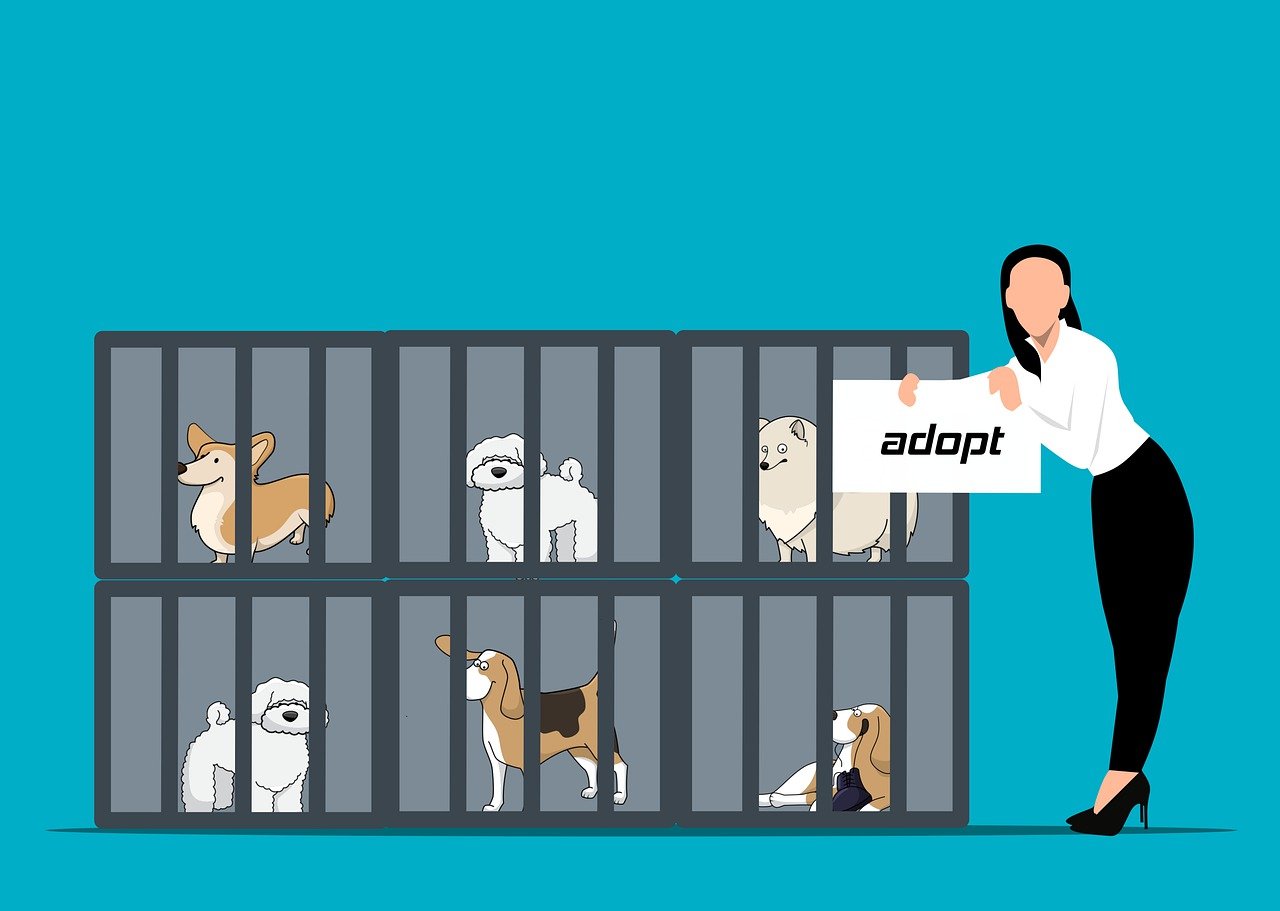

Why Adopting from Puppy Mills is Harmful to Dogs
Adopting a dog is an important decision, particularly when it comes to where that dog comes from. Puppy mills are commercial breeding facilities that prioritize profit over the welfare of animals. Dogs bred in these mills often face numerous health issues and socialization problems. The mothers are frequently kept in cramped conditions, leading to chronic stress. This mistreatment is detrimental, not only to their physical health but also to their psychological well-being. Many of these dogs suffer from behavioral problems that arise from early trauma and lack of proper nurturing. Adopting a dog from a shelter instead of a puppy mill saves a life and sets a precedent for humane treatment. By avoiding puppy mills, potential pet owners can contribute to a more ethical community. There are many ways you can help spread awareness about the negative impact of puppy mills and the benefits of dog adoption. For those considering dog ownership, educating oneself is crucial for making informed choices. Organizations dedicated to rescue efforts and educating others about puppy mills play a vital role in reducing their existence.
Beyond the immediate harm to dogs in puppy mills, this industry affects entire communities. Puppy mills often contribute to overpopulation, leading to a staggering number of animals in shelters across the nation. Many directly result from poor breeding practices and irresponsible ownership. Moreover, this flooding of shelters drains resources, making it harder for legitimate rescues to operate efficiently. A great solution to this dilemma is promoting the adoption of shelter animals. By doing so, you not only save a dog’s life but also help control the pet population, thereby alleviating some of the pressure on shelters. Dogs from puppy mills frequently develop health issues such as hip dysplasia, eye disorders, and even infectious diseases due to poor living conditions. These health problems can require expensive veterinary care. Consequently, if you choose to adopt a dog, you should consider getting one from a reputable rescue organization or shelter. These places ensure proper breeding conditions and legal parameters. They also provide a healthier and happier environment for animals. In addition, this conscious choice signals a stand against the inhumane practices of puppy mills.
The Inequity of Puppy Mill Practices
Common misconceptions surround puppy mills and to some extent the general public’s awareness can hinder progress. Many people might believe that dogs bred in puppy mills are just as healthy as those from reputable breeders or shelters. However, that idea couldn’t be further from the truth. Puppy mill puppies are often sold without proper vaccinations and health guarantees, exposing them to diseases that can lead to premature death. Furthermore, the social skills of these dogs typically fall short. Lack of human interaction and socialization can create fearful or aggressive behaviors. Many individuals who adopt such dogs may face unexpected challenges. These issues underline the necessity of spreading the word about puppy mills and advocating for their eradication. It is essential to educate potential pet owners on this topic to build a compassionate community. Local resources such as volunteer organizations, adoption events, and educational workshops can further enhance awareness. Collective voices striving for change can potentially pressure local lawmakers to impose stricter regulations against puppy mills, leading to more humane practices in the dog-breeding industry.
It is vital to recognize the role of consumer behavior in supporting or eliminating puppy mills. As a potential pet owner, understanding where a dog comes from is crucial. Make an informed decision by always researching a breeder’s reputation. That said, your choice to adopt rather than shop carries profound implications. Every dog adopted from a shelter or rescue organization signifies a stand against these immoral practices. Those in the market for a furry friend may want to also consider volunteering at local shelters. This involvement not only helps with managing the current pet population but provides opportunities for fostering and building relationships with many dogs. This experience can provide potential pet owners a clearer understanding of their own readiness and suitability. It is also beneficial to patronize local businesses that support ethical breeding. By doing so, society promotes humane treatment of animals and decreases the demand for puppy mills. Opting to adopt means prioritizing health, welfare, and responsible pet ownership, shaping the future for countless dogs. Ultimately, a collective effort can lead to substantial change.
The Legal Aspects Surrounding Puppy Mills
Legal regulations regarding puppy mills are often inadequate and poorly enforced. As a potential dog owner, being informed about local laws is crucial. Many organizations work hard to advocate for stricter standards and increased penalties for mistreatment of animals. A pervasive lack of awareness can complicate efforts to target puppy mills effectively. In some areas, puppy mills operate without suitable oversight or consequence, making it difficult to combat this inhumane industry. Legislative changes can only occur through informed and public advocacy. Those who wish to challenge poke holes in puppy mill operations must take action by contacting local representatives and pushing for change. The ripple effect of advocacy is powerful; grassroots campaigns raise awareness and illustrate the demand for more humane practices. Additionally, spreading information on social media regarding these issues can greatly enhance visibility. The more people know about the effects of puppy mills, the more pressure can be placed on lawmakers to act. Initiatives such as educational programs can further engage communities and empower individuals. By being proactive and pushing for stricter regulations, society has the potential to reshape the landscape of dog breeding.
Another advantage of adopting dogs from shelters or rescue organizations is the financial aspect. Often, adoption fees are significantly lower than purchasing a puppy from a breeder, especially a puppy from a commercial mill. Additionally, many shelters include vaccinations and spaying/neutering in their adoption fees. This inclusivity allows potential dog owners to save on initial costs, which can be considerable. Adopting a dog offers a sense of moral satisfaction, knowing you have given a once-abandoned animal a chance at life. In contrast, purchasing a dog from a puppy mill not only perpetuates animal suffering but can also lead to unexpected health issues that incur additional financial burden. Financial strain from future veterinary costs can be overwhelming for some owners. Adopting helps pave the way toward responsible pet ownership; potential dog parents become part of a movement promoting humane treatment of animals. Moreover, by choosing to adopt, new pet owners can create a happier environment for both themselves and their new furry friends. This environment fosters healthier bonds and reduces the likelihood of behavioral issues that stem from past trauma.
Conclusion: Making a Difference through Adoption
In conclusion, adopting from puppy mills is detrimental to dogs and the community. Making informed decisions about pet ownership can lead to more humane practices and healthy, happy lives for dogs. Education about the realities of puppy mills and their consequences is of utmost importance. By supporting local shelter adoption efforts, individuals can play an essential role in combating this harmful industry. It is vital to spread awareness and challenge existing perceptions around puppy mills. Spreading this message is a step towards creating a nurturing environment for dogs in need. Remember that adopting a dog is not a mere act; it signifies commitment to responsible pet ownership and empowerment for positive change. Every shared story or awareness campaign contributes to a collective effect that can potentially change policies surrounding dog breeding. It is crucial to remain vigilant and support continual efforts to advocate for stricter regulations. In this journey, every voice matters and together, we can eventually eliminate the existence of puppy mills altogether. Let love and compassion guide your decision in dog adoption.
Making conscientious choices when adopting can drastically affect not just individual dogs but the broader community as well. For those interested in dog adoption, supporting shelters and rescues can spark hope in places once filled with despair. Organizations continuously strive to rescue dogs from puppy mills, and they rely on community support to continue their efforts. Whether through spreading awareness, volunteering, or adopting, each act collectively works to create a kinder world for dogs. Together, we can ensure happier lives for dogs everywhere.