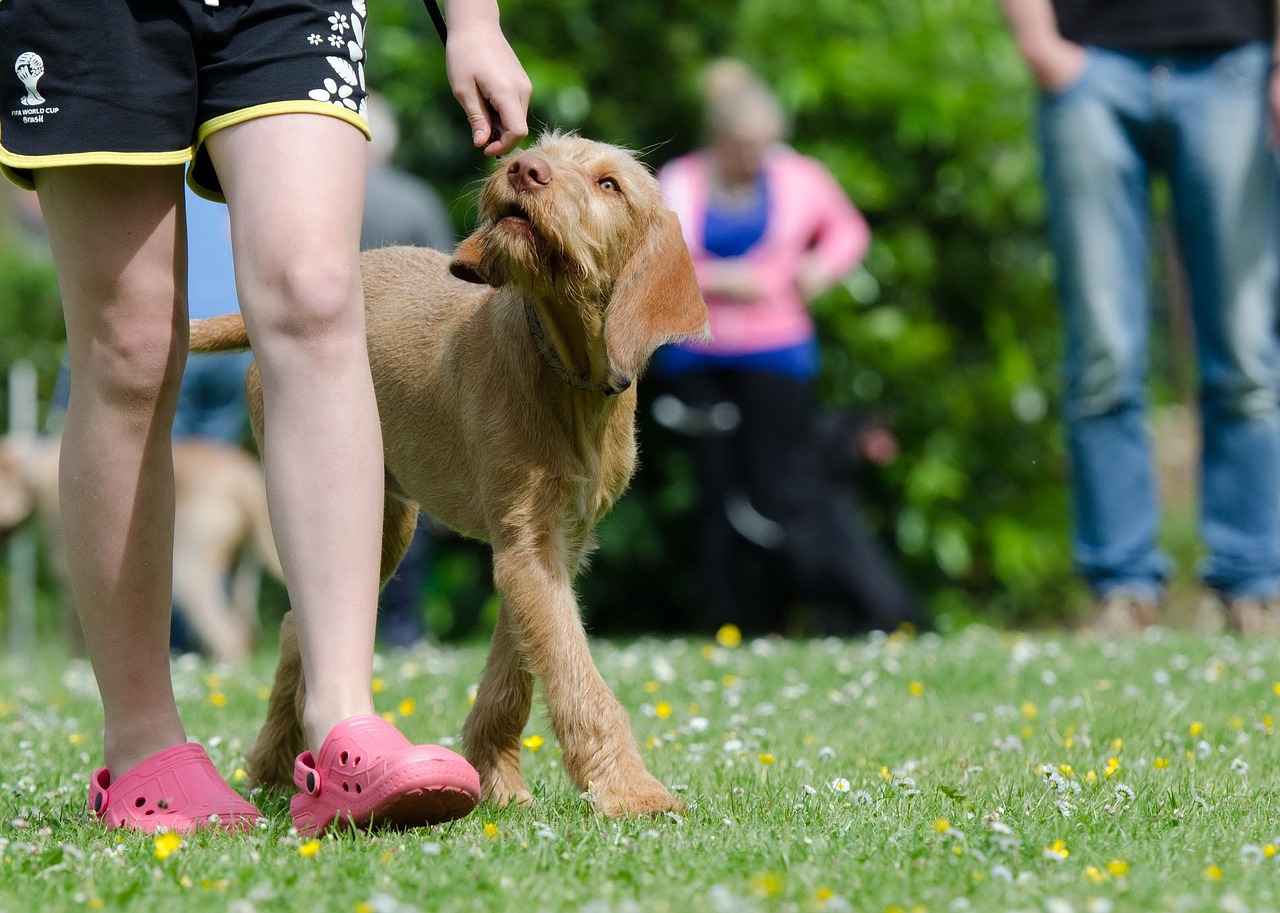

Breed-Specific Training Tips for New Adopters
Adopting a dog is a wonderful commitment that brings joy and responsibility. Breed-specific training helps you understand better the unique needs of your new furry friend. Researching your dog’s breed is crucial to learn their temperament, energy levels, and behaviors. Each breed comes with its quirks that can greatly impact training methods. For instance, herding breeds like Border Collies often respond well to reinforcement training, while hounds may require different techniques. Observing your dog’s behavior traits can be pivotal in deciding on the appropriate training approach to implement. Additionally, attending obedience classes can be beneficial, where you can learn alongside your dog and get professional guidance. Classes tailored to specific breed characteristics will set you on the right path towards effective bonding and understanding. Socialization is also key; exposing your dog to various environments will help them adapt and learn better. Always remain patient, as every dog learns at a different pace. Consistency, reward-based methods, and a schedule can ensure successful training experiences. Remember, training is not just a task but a journey that strengthens your bond with your new companion.
As you begin training, it is essential to establish a routine that works for both you and your dog. Dogs thrive on structure, and a consistent schedule for training sessions, walks, and playtime helps them feel secure. Start with basic commands such as ‘sit,’ ‘stay,’ and ‘come,’ which are fundamental for good behavior. Each command should be associated with positive reinforcement, which could be treats or praises. Monitoring your dog’s response during training will give you insight into their learning style. Some breeds respond better to food rewards, while others may prefer playtime or affection as motivation. Keep training sessions short but frequent to maintain your dog’s attention; approximately 5 to 10 minutes per session is ideal for most breeds. Be sure to avoid overwhelming your dog with too many commands at once. Instead, focus on one command until they master it before introducing new ones. You can also incorporate training into daily activities like walks, allowing your dog to learn while they explore. Additionally, make training fun by using toys and celebrating their achievements. This creates a positive association with learning and reinforces their connection with you.
Socialization is an integral aspect of training that cannot be overlooked, especially for certain breeds. Exposing your dog to a variety of environments, people, and other animals will help build their confidence. Start this process gradually; for example, introduce your dog to new experiences in a calm setting. Parks, pet-friendly stores, and training classes are ideal venues to socialize your dog. The more positive experiences they have, the less likely they are to develop anxiety or behavior issues later on. Pay attention to your dog’s body language during socialization; if they appear nervous or fearful, give them space and allow them to approach at their own pace. It’s important that socialization is a stress-free experience to encourage a well-adjusted dog. In some cases, breed-specific behaviors may influence how your dog interacts with others; for instance, some breeds are more dominant. Learning about these tendencies helps you manage situations effectively. Enrichment activities, such as puzzle toys and agility courses, can provide mental stimulation and boost social skills. Always reinforce positive interactions with treats, which helps your dog associate social experiences with good feelings, establishing a trained comfort level in various settings.
Dealing with Common Breed-Specific Issues
If you’re adopting a breed known for specific behavioral traits, be prepared to tackle those challenges head-on. For example, some breeds may exhibit tendencies such as excessive barking or digging, particularly if they are anxious or not sufficiently exercised. Identifying the root cause of these behaviors is essential; sometimes, they stem from boredom or lack of social engagement. Regular exercise and mental stimulation can significantly minimize these issues; breeds with high energy levels typically require more physical activity to remain content. Establish a daily exercise routine that suits your dog’s energy needs, incorporating both outdoor activities and indoor play. Engaging them in activities like fetch or agility training not only satiates their physical requirements but also promotes bonding. Introducing interactive play items, such as treat-dispensing toys, enhances both physical and mental engagement. For breeds prone to separation anxiety, gradual desensitization to being left alone is advisable. You can start with short durations and gradually extend this as your dog becomes more comfortable with your absence. Using calming techniques, such as guided breathing, may also nurture a calming environment for your dog to ease their concerns.
Another breed-specific challenge may arise in terms of barking or vocalization. Breeds like Beagles or Dachshunds can often be more vocal than others, and it’s important to address this behavior early. While some barking is natural communication, excessive barking can disrupt your household and the neighborhood. Training your dog to understand ‘quiet’ commands can be beneficial; start with positive reinforcement whenever they stop barking for quiet moments. Patience is the key throughout this process. Monitor the triggers that cause barking—often these are linked to sounds (like the doorbell) or sights (like neighborhood cats)—and work on reducing these stimuli. Creating a calm environment, using desensitization techniques, and redirecting your dog’s attention with toys or commands can all help minimize unwanted vocalizations. In extreme cases, behaviorists may recommend further interventions, such as using calming products or training collars. It’s essential to know your breed’s vocalization tendencies and prepare accordingly to foster a harmonious living situation. Understanding these quirks makes bonding experiences richer and mitigates miscommunication during training.
Maintaining Effective Communication
Always maintain effective communication with your dog throughout their training journey. Using consistent verbal cues, body language, and tone is vital for fostering understanding. Dogs are incredibly adept at reading human emotions and reactions, so ensure that your demeanor is positive. Reinforce desired behaviors immediately to help your dog associate the action with the reward. While verbal cues are important, non-verbal communication also plays a critical role; your dog will learn to respond to your gestures. For example, using hand signals paired with verbal commands can enhance your dog’s understanding and speed up their learning process. This dual approach benefits breed types that may require more visual stimulation. Engage positively and consistently; frequent interaction promotes trust. Additionally, you should observe how your dog responds during training sessions. If they seem confused or disinterested, adjusting your approach is helpful. Perhaps modifying command delivery, altering rewards, or breaking tasks into simpler components may refresh the training dynamic. The primary goal is mutual learning and connection; therefore, making adjustments as necessary ensures a productive and enjoyable experience for both of you during your exploration together through training.
Lastly, remember to embrace the unique aspects of your dog’s breed. Being aware of distinct breed characteristics informs your training strategy and enables you to mold a plan that fits their unique needs. Often, enthusiasts may find it beneficial to connect with breed-specific communities or groups to exchange ideas and resources. Engaging with others who have similar breeds can provide valuable insight into best training practices and common challenges. Many breed communities organize meet-ups and training sessions, which offer excellent opportunities for socialization. Stay tuned to your local community for events that may enhance your training journey. Additionally, researching your breed can yield resources such as books, blogs, and forums that cater to specific needs and tendencies; these can be fantastic tools for both new and experienced adopters. Networking with seasoned handlers or trainers specializing in particular breeds can serve as a beneficial guide in your training efforts. Appreciate the journey of training as a bonding experience that deepens your love and understanding for each other. Ultimately, the goal is to celebrate each milestone achieved, and enjoy the shared moments of learning together.
As you finish your training journey and adapt to life with your new companion, always remember the importance of patience and understanding. Every dog is unique, and each will learn at their own pace, especially when it comes to breed-specific behaviors. Some breeds may take longer to adapt to new rules and routines, while others may excel quickly in their training regimes. Your persistence and encouragement can help your dog navigate challenges along the way, leading to a fruitful relationship based on mutual respect and love. Building a strong foundation early on helps prevent behavioral issues and fosters a happy, well-mannered canine companion. However, make sure to adapt your training to suit personality quirks and individual needs since there will always be remarkable diversities within breeds. Celebrate even the smallest accomplishments and always strive to motivate your dog continually. After all, training doesn’t conclude with basic commands; it can evolve into advanced skills as your bond strengthens over time. Make it a fun experience filled with exploration, growth, and discovery. Regularly revisiting training concepts can keep your dog’s mind sharp and your relationship vibrant.