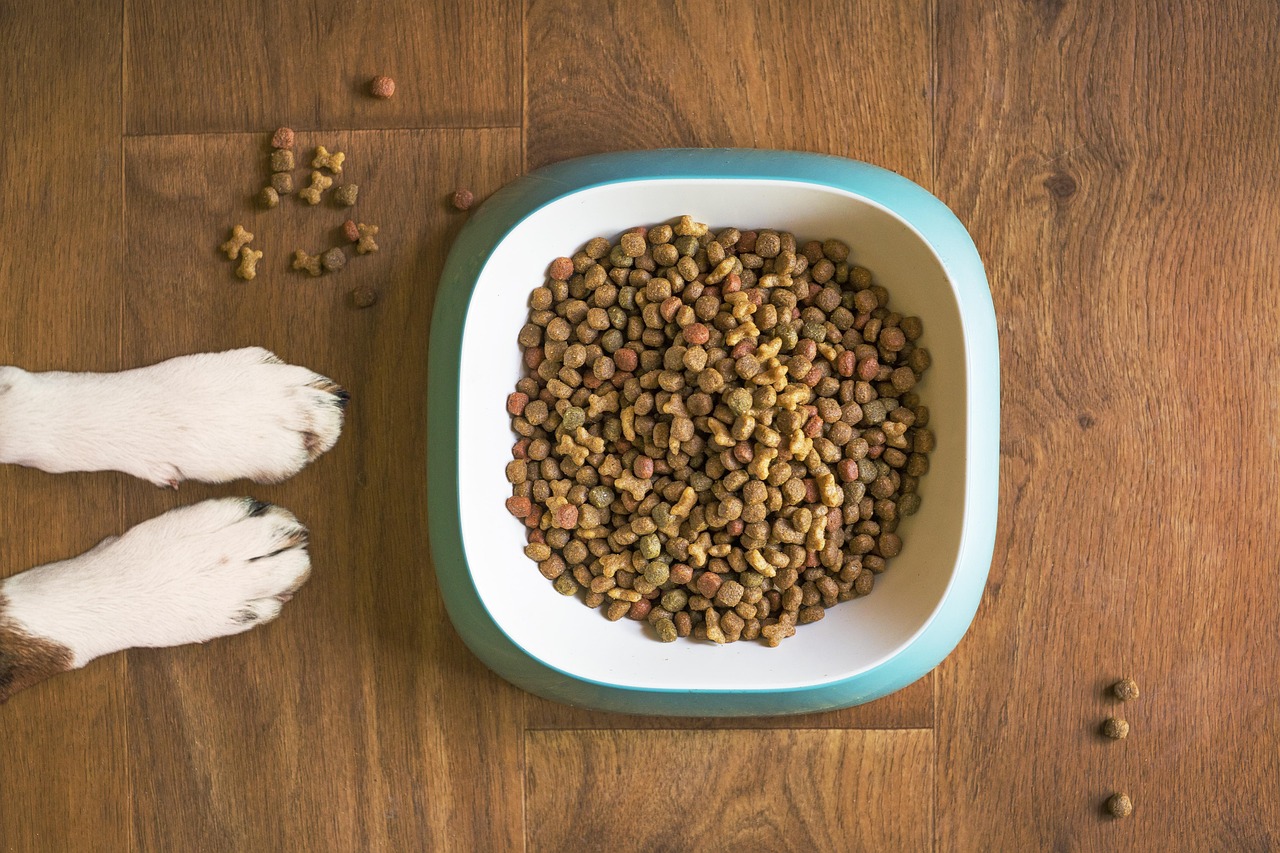

Grain-Free vs. Limited Ingredient Diets: What’s Best for Your Dog?
When it comes to choosing the right nutrition for your dog, grain-free and limited ingredient diets are popular options. It’s essential for dog owners to understand how these diets differ and which may be the most beneficial for their furry friends. Grain-free diets exclude grains like wheat, corn, and barley, focusing instead on protein-rich ingredients like meats and vegetables. Proponents of grain-free diets argue that dogs digest protein better without grains, which can lead to healthier skin, shinier coats, and higher energy levels. However, it’s important to ensure a balanced diet to prevent nutritional deficiencies. Limited ingredient diets simplify the ingredient list, targeting dogs with food sensitivities or allergies. The goal is to reduce exposure to potential allergens while still providing necessary nutrients. Choosing either option should involve a consultation with a veterinarian for tailored advice. Each dog is unique, and what works for one may not suit another. Understanding the specific needs of your dog, including their activity level and health concerns, is crucial in navigating these dietary choices effectively. Carefully read the labels and ensure the ingredients meet your dog’s requirements.
Understanding Grain-Free Diets
Grain-free diets focus primarily on high-quality protein sources while excluding all types of grains. Common protein sources include chicken, beef, fish, and lamb, often coupled with fruits and vegetables to provide essential vitamins and minerals. Dogs naturally thrive on animal proteins, making this diet appealing to many owners. Advocates say that eliminating grains can lead to fewer digestive issues and reduced inflammation in some dogs. However, veterinarians warn against adopting a grain-free diet without proper evaluation. Some dogs may require carbohydrates for their energy levels and improved performance. Moreover, recent studies have raised concerns about potential links between grain-free diets and heart disease in dogs, specifically dilated cardiomyopathy (DCM). The FDA continues to investigate these reports, emphasizing the need for a balanced nutritional approach. Regardless of the chosen diet, always prioritize high-quality ingredients from reputable brands. Look for those that use whole foods, avoiding fillers and by-products for optimal health. Transitioning to a new diet should be gradual, allowing your dog’s digestive system to adjust, thus preventing any adverse reactions. Monitoring your dog’s health during such transitions is essential for maintaining their overall well-being.
A limited ingredient diet provides a more straightforward approach, making it easier to pinpoint and eliminate allergens from your dog’s food. Typically, these diets contain a single protein source combined with a limited number of other ingredients, providing adequate nutrition while reducing the chances of allergic reactions. By focusing on a small list of ingredients, it becomes simpler to evaluate how your pet’s body reacts. Often, these diets are recommended for dogs showing signs of food allergies or sensitivities, such as skin irritations or gastrointestinal upset. Limited ingredient diets can be commercially available or cooked at home following nutritional guidelines. The goal is to limit exposure to potential allergens that could affect your dog’s health negatively. While opting for this approach, it’s vital to ensure that the chosen protein is of high quality to meet the needs of an active dog. Regular veterinary check-ups can help ensure health and adjust dietary requirements as necessary. Additionally, while introducing new foods, always monitor for any signs of intolerance. Regular updates in dietary selections can help maintain optimal health and enhance your dog’s living experience.
Comparing Nutritional Values
When comparing grain-free diets and limited ingredient diets, nutritional value is a critical factor in determining the best choice for your dog. Grain-free diets often emphasize protein and healthy fats while minimizing carbohydrates. This can be beneficial for highly active breeds requiring additional energy. Foods are typically rich in animal proteins, but not all grain-free products ensure balanced nutrition, so reading labels is crucial. On the other hand, limited ingredient diets are designed to provide balanced nutrition while minimizing possible allergens. Each product should be carefully vetted to ensure it contains all essential nutrients. Understand that the protein source used in limited ingredient diets also plays a significant role in its effectiveness. New sources may introduce different qualities in protein digestibility, so gradual transitions are essential here as well. Both diets aim to support healthy skin, coat, and overall vitality in dogs, but it’s essential always to consult your veterinarian to decide based on specific health conditions. Not every dog will thrive on either diet, and individual variability is a significant consideration in making this important choice. Periodic evaluations of their health and nutritional needs are crucial in this process.
Adopting either a grain-free or limited ingredient diet can pose challenges, especially during the transition phase for your dog. Dietary changes can result in stomach upset or irregular bowel movements, which are natural responses. To ease this process, implement any dietary changes gradually. Start by mixing a small portion of the new food with the current diet, increasing the proportion of the new food over about seven to ten days. This gradual process gives your dog’s digestive system time to adapt, reducing the risk of any adverse effects during the change. It’s also advisable to observe your dog closely for any signs of intolerance or allergies during this time. If any concerning symptoms arise, such as vomiting, diarrhea, or a change in behavior, consult with your veterinarian immediately. Maintaining communication with your vet is crucial throughout your transitioning period, as they can guide you to meet your dog’s specific needs. Customizing your dog’s diet based on their reactions will help you achieve optimal dietary success. Staying informed about ingredient sourcing and nutrition profiles will lead to healthier choices overall.
Long-Term Considerations
Understanding the long-term implications of either diet choice is essential for your dog’s health. Grain-free diets may carry risks when not balanced appropriately, particularly if they become too low in essential carbohydrates or certain nutrients necessary for canine health. It’s vital to choose a grain-free diet that includes fruits and vegetables to maintain balanced nutrition. Consulting with a veterinarian can help you find appropriate brands to ensure these critical components are not neglected. On the other hand, limited ingredient diets can help dogs with allergies, but relying solely on a narrowed range may lead to other deficiencies if not monitored correctly. Regular vet visits and blood tests can assess your dog’s nutrient levels and ensure balanced nutrition. Keeping an eye on your dog’s overall health will provide insights into which diet works best in the long run. Maintaining a routine of consulting with pet nutrition specialists can also help fine-tune your approach as your dog ages and their dietary needs change. Prioritizing a varied diet, possibly incorporating supplements when needed, ensures your dog’s well-being remains a priority.
In conclusion, both grain-free and limited ingredient diets offer distinct benefits and potential drawbacks for your dog’s health. Ultimately, the best diet will depend on your dog’s unique needs, preferences, and any underlying health issues. Understanding the nutritional values, potential allergens, and long-term impacts of each option is paramount in selecting a suitable diet for your furry companion. Working closely with your veterinarian allows for tailoring dietary choices to support your dog’s health and happiness. Remember that each dog is different, and what works for one may not work for another. As a pet owner, staying informed and adaptive to your dog’s changing health and nutritional needs is crucial. Experimenting with various high-quality foods while monitoring reactions can lead you to the right decision. Consider joining support groups or internet forums to learn about other owners’ experiences with these diets. This shared knowledge can provide valuable insights and options for further dietary exploration. Ultimately, your dog’s well-being is the priority, and making informed decisions will lead to healthier and happier lives together.
As you navigate your choices between grain-free and limited ingredient diets, it’s crucial to keep health, happiness, and adaptability at the forefront. Education is key, ensuring that the options you consider are backed by research and proper veterinary guidance. Being an informed pet owner can help you understand your dog’s specific needs better and to respond appropriately to any health issues or changes that arise. It’s also valuable to familiarize yourself with industry standards regarding pet food quality, allowing you to distinguish between premium and subpar products. Opt for brands that not only prioritize high-quality ingredients but also adhere to rigorous testing, ensuring your pet’s product safety. Your dog deserves a healthy and balanced diet that not only maintains their vitality but also signals to you as an owner when adjustments may be necessary. Lastly, remember that feeding should also incorporate love, routine, and patience, creating a positive experience for your dog at mealtime. Regularly educate yourself on nutrition and stay alert to emerging research in canine diets. Together, you and your dog can explore the world of nutrition and discover what suits them best!