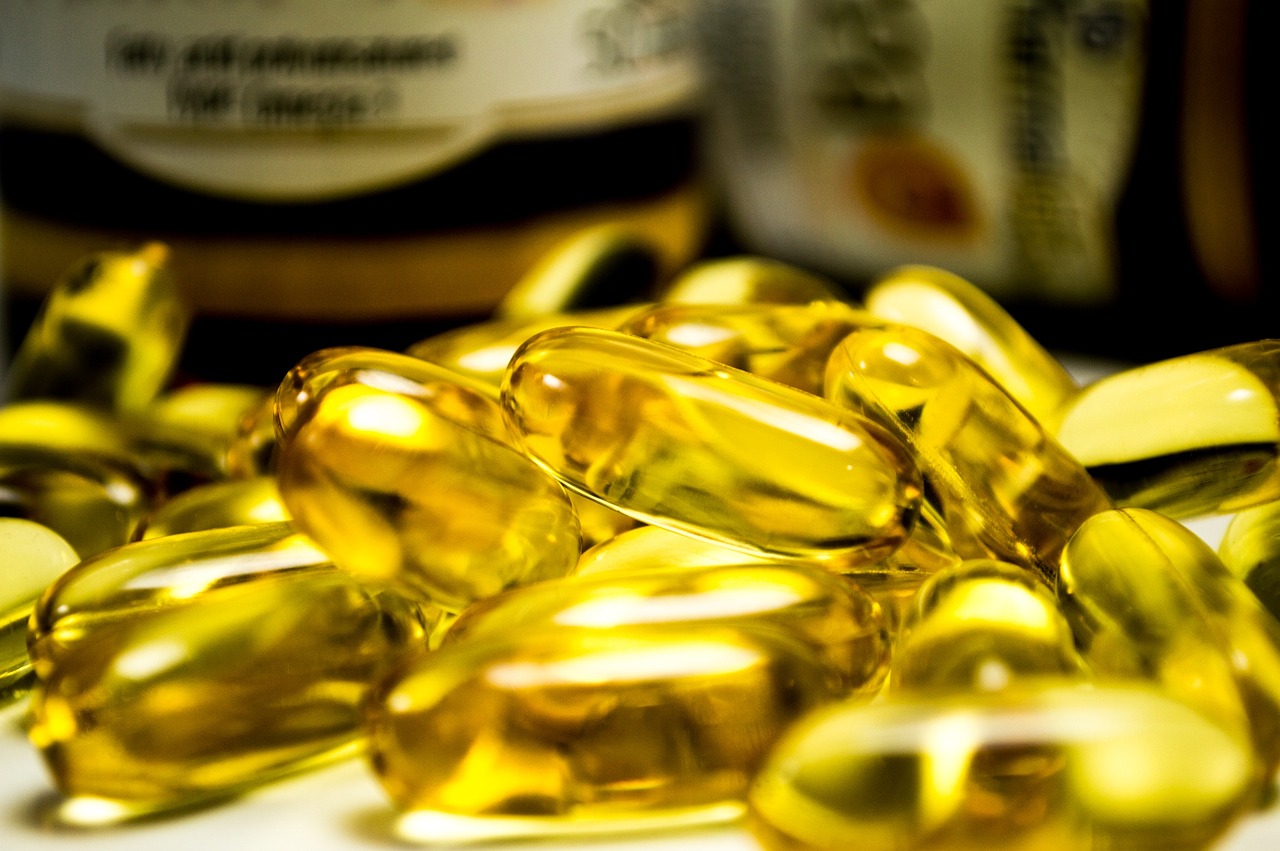

Vitamin E Supplements: Liquid vs Capsule for Dogs
As dog owners, ensuring optimal health for our furry friends is a top priority. Vitamin E is a vital antioxidant that supports skin health, immune function, and overall well-being. Many owners consider adding vitamin E to their dog’s diet, focusing on either liquid or capsule forms. Liquid vitamin E is often seen as an easy option to administer, especially for picky eaters. It can be mixed into food or given directly, making it convenient for daily use. Additionally, liquid form is absorbed more quickly, as it enters the bloodstream faster than capsules. However, precise dosage is crucial, and over-supplementation can lead to toxicity. On the other hand, capsule supplements come with their benefits. They are typically pre-measured, ensuring that your dog receives the correct dosage with convenient administration. Capsules also have a longer shelf-life and are less prone to spoilage than liquid forms. Ultimately, the choice between liquid and capsule forms depends on your dog’s preferences and any specific circumstances of your pet’s health. Always consult with your veterinarian for tailored advice on superhero supplementation for your dog.
Benefits of Vitamin E for Dogs
Vitamin E plays a significant role in maintaining a dog’s health. This essential nutrient contributes to preventing oxidative stress in dogs by neutralizing harmful free radicals. Supplementing vitamin E helps to support a healthy immune system, which is vital for fighting off infections and illnesses. Moreover, vitamin E can improve skin health, reducing conditions like dermatitis and ensuring a shiny coat. Other benefits of adding vitamin E include enhanced cell function and potential anti-inflammatory properties that aid in managing chronic conditions. Dogs suffering from food allergies or skin sensitivities particularly benefit from this powerful antioxidant. As a fat-soluble vitamin, E works optimally when ingested alongside dietary fats, ensuring better absorption through the intestinal lining. Furthermore, vitamin E appears to play a role in maintaining cardiovascular health by preventing lipid peroxidation. This process involves the protection of cell membranes, reducing the risk of heart disease in dogs. When choosing between liquid and capsule forms of vitamin E supplements, consider your dog’s specific health needs. Always consult your veterinarian, as they can recommend the appropriate dosage and form according to your dog’s health status.
When considering the choice between liquid and capsule vitamin E for dogs, it’s essential to recognize your pet’s specific needs and preferences. Many dogs are more receptive to liquids, especially when mixed with their food. However, some dogs might resist the taste or texture of liquid supplements, making capsules a better option. The texture and ease of swallowing are important factors to keep in mind when administering the supplements. Capsules can be hidden in treats or soft food, which can encourage your dog to ingest them without fuss. Furthermore, the proper dosage is easier to manage with capsules since they come in pre-measured units. This can provide a safety net against the risks of over-supplementation associated with liquid forms. Moreover, capsules generally have a longer shelf-life and better stability when stored compared to liquid alternatives, which can degrade over time. In environments with varying temperatures or humidity, capsules can provide a more reliable way to ensure your dog receives vitamin E consistently. Ultimately, considering your dog’s habits can help in determining which form might work better. Consult your veterinarian before making a final decision.
Potential Side Effects of Excess Vitamin E
While vitamin E is beneficial for dogs, excessive intake can lead to potential health issues. Over-supplementation may create adverse reactions, which can vary in severity depending on the amount consumed and the individual dog’s tolerance. Vitamin E is fat-soluble, meaning it accumulates in body fat and can result in toxicity when taken in excessively high doses. Symptoms of toxicity can include lethargy, gastrointestinal distress, and an increased risk of bleeding due to its anticoagulant effects. These conditions arise because vitamin E interferes with the normal blood coagulation process when consumed in excessive quantities. Retaining proper dosage is crucial, as it ensures your dog reaps the benefits without encountering side effects. It is important to note that dogs that are already on certain medications, particularly anticoagulants, should receive special attention concerning vitamin E intake. As each dog has unique health needs, it is vital to work with a veterinarian for proper dosage recommendations tailored to your pet. Responsible use, proper measurement of supplements, and monitoring for any unusual symptoms are important components of safe vitamin E supplementation.
Choosing high-quality vitamin E supplements is essential for ensuring your dog receives the best benefits. Not all supplements are created equal, and factors such as purity and formulation matter significantly. Look for products that provide a natural source of vitamin E, like mixed tocopherols, as they are generally more effective than synthetic alternatives. Additionally, it’s advisable to select brands that undergo third-party testing, guaranteeing that the supplements meet quality and safety standards. Some formulations additionally contain complementary ingredients, such as omega fatty acids, which can enhance the effects of vitamin E, especially on skin health and coat maintenance. Reading labels carefully can help you confirm the precise type and amount of vitamin E your dog will receive. Furthermore, understanding the serving size and number of servings in each container helps in making an informed purchasing decision. Always prefer veterinarian-approved products where possible, as they often represent the best options for health and safety. Educating yourself about the contents of the supplements allows you to better advocate for your dog’s needs and ultimately contribute to their overall well-being.
Conclusion: Best Practices for Supplementing Vitamin E
In conclusion, when deciding on the best vitamin E supplements for dogs, it’s crucial to weigh the benefits of both liquid and capsule forms. Each type has its advantages that cater to different preferences and health needs. Liquid supplements are easier for some dogs to ingest, but they require careful dosage to avoid potential toxicity. Conversely, capsules offer convenience in dosage control and a longer shelf life. As you integrate vitamin E into your dog’s diet, always prioritize consulting with a veterinarian. They can help you assess your dog’s dietary needs and determine the proper supplementation plan. Regular monitoring of your dog’s response to the supplement is vital, as this allows for adjustments in dosage or form as needed. Besides proper supplementation, pairing vitamin E intake with a balanced diet rich in omega fatty acids can significantly amplify health benefits. Always focus on delivering quality supplements from reliable brands to maximize efficacy. By keeping an eye on your dog’s health while utilizing vitamin E, you can help ensure they have a long, happy, and healthy life.
Implementing a consistent schedule for administering vitamin E supplements is also critical for routine health maintenance in dogs. Just like any other supplement or medication, sticking to a plan aids in achieving the intended effects of vitamin E, sinking into a daily health regimen that will benefit your dog for years to come. Variety in supplementation methods, such as mixing liquid with food or hiding capsules in treats, can alleviate any monotony. Enhancing your dog’s health through a combination of regular veterinary checkups, proper nutrition, and necessary supplements empowers owners. Stay vigilant for signs of improvement or adverse reactions when introducing any supplement into your dog’s routine. Being proactive about your dog’s health means you are better equipped to catch any issues early on. Pairing this with a consistent review of the latest trends and research surrounding dog vitamins can provide valuable insights into best practices. Staying informed and being flexible in your approach ensures that your dog receives the necessary nutrients for optimal health. Ultimately, by fostering an environment of care and attention, you are laying the groundwork for a healthier future for your canine companion.
It is also beneficial to share your experiences regarding vitamin E supplementation in dogs with other pet owners, as community knowledge can often provide additional helpful tips. Engaging with online forums or local pet groups can facilitate discussions on practical advice regarding the various forms of supplements available. Learning about other owners’ successes or challenges can aid in making informed decisions for your own dog. This exchange of information can also cover topics such as how to effectively administer supplements and what changes to observe in canine behavior or health post-supplementation. Sharing stories of real experiences can bolster confidence in the choices you ultimately make for your dog’s health journey. Together, as a collective of responsible pet owners, everyone can contribute to a better understanding of what works best for our canine companions and improve their dietary habits. Fostering connections within the pet community can also lead to discovering reliable brands and resources for high-quality supplements. Ultimately, the well-being of our furry friends is a shared responsibility that strengthens our bond with them and ensures they live long, healthy lives.