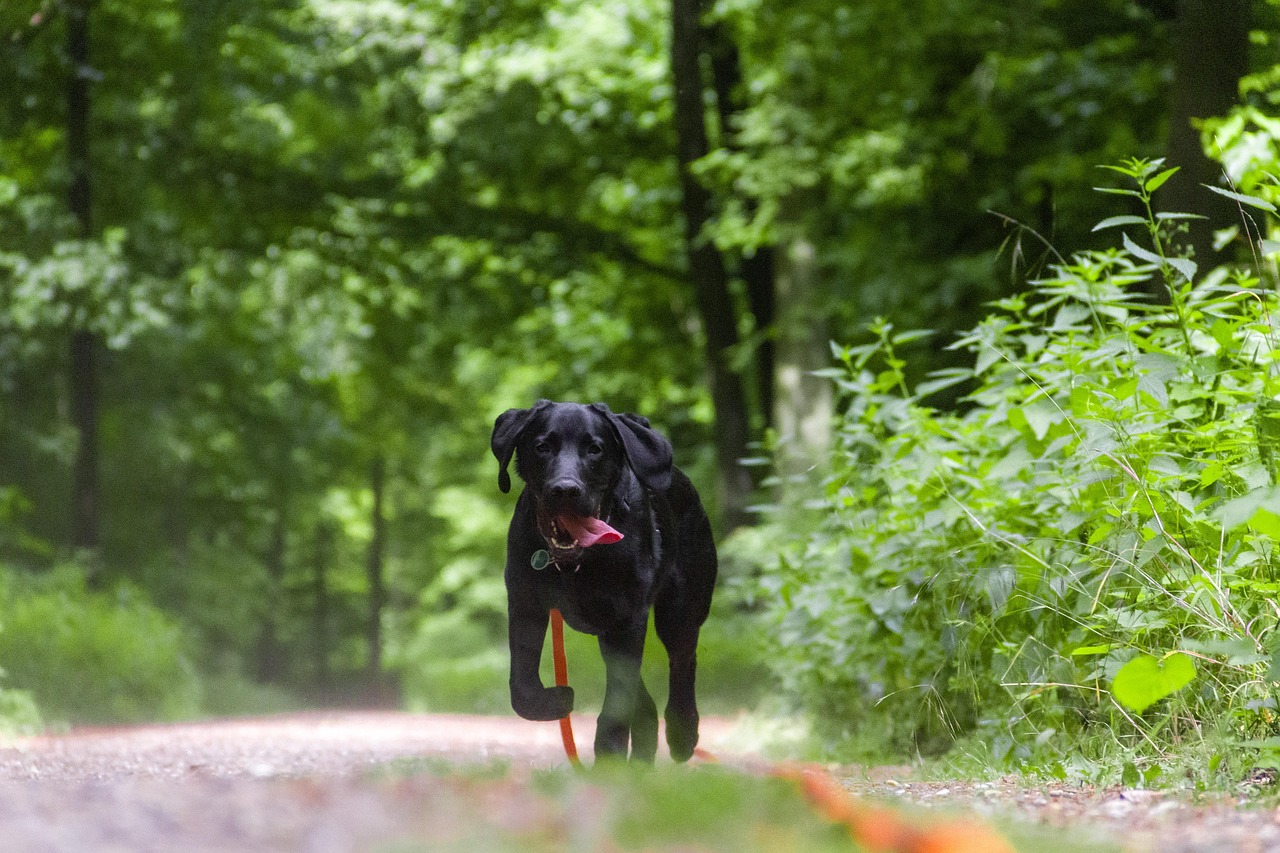

Step-by-Step Guide to Using Dog Training Leash Extensions
Dog training leash extensions are invaluable tools for enhancing your dog training sessions. They provide the added flexibility and length necessary for effective training without sacrificing control. Understanding their proper use is crucial for both safety and effectiveness. First, it’s essential to select the correct type of leash extension for your dog’s size and training needs. Look for an extension that is compatible with your primary leash and offers a comfortable grip. Many adjustments might be necessary as you find what works best for both you and your pet. Creating positive associations with the leash is pivotal. Allow your dog to explore the extension before engaging in training activities. This could involve rewarding them with treats and praise whenever they show interest. Use a suitable length, ensuring enough room for movement but not so much that you lose control. Incorporating leash training basics will help your dog understand expectations. Consistency is crucial, so practice regularly, ensuring each session builds on the previous one. Soon, both you and your dog will enjoy walking and training together. Don’t forget to have patience; every dog learns at their own pace!
Choosing the Right Leash Extension
When selecting a dog training leash extension, several factors come into play that can greatly impact your training experience. First, ensure that the extension is made of durable materials; look for nylon or heavy-duty fabrics, as they can withstand wear and tear. Extensions often come in various lengths, so choosing one that suits your specific needs is necessary. If you frequently train in open spaces, consider longer extensions for added freedom. Alternatively, shorter extensions may suit urban settings better, where tight control is paramount. The width of the leash also matters; wider extensions may offer better grip and control, which is especially vital for larger dogs. Additionally, consider if you’d like a reflective option, enhancing visibility during low-light conditions. Incorporate a comfortable handle into your decision-making process; ergonomic designs help prevent strain during longer training sessions. Many brands offer leash extensions with additional features, like adjustable clips, which can be great when switching between different dogs. Don’t forget to read reviews and consult with other dog owners who may have insights into specific brands or models. The right leash extension can significantly enhance your training Sessions, ensuring enjoyable and smooth experiences.
Establishing a training routine using your dog’s leash extension is crucial for success. Consistent times and environments for training can significantly aid learning. Choose locations with minimal distractions so your dog can focus entirely on you. Starting with short sessions of about 10 to 15 minutes helps keep your dog engaged and willing to learn. Gradually, as your dog becomes accustomed to the extension and training, you can increase session duration. Start with basic commands like “sit” and “stay” to establish a foundation. When your dog successfully follows commands while on the leash extension, offer positive reinforcement through treats or praise. This encourages the desired behavior, making the training process more enjoyable for your pet. Incorporate various commands or activities as your training progresses. This variety prevents the routine from becoming monotonous, keeping your dog mentally stimulated. Additionally, consider using a clicker or verbal markers to signal when your dog has completed a task correctly. This creates a clear connection between actions and rewards. Adjust your approach as needed, respecting your dog’s learning pace. Incorporating consistent feedback helps your dog thrive during sessions.
Safety Precautions with Leash Extensions
Safety is paramount when training with dog leash extensions, as incorrect usage can lead to accidents or injuries. Always inspect your leash extension before each use to check for any signs of wear or damage. Replace the extension if you find frayed edges or broken parts, as these can compromise its integrity. Always avoid allowing your dog to run full speed while using an extension. It is vital to maintain control, especially in areas with vehicles or other animals. Teaching your dog proper leash manners is crucial; this includes maintaining a steady pace and responding to commands. Assess the surroundings when training outdoors, ensuring that it is a safe space without hazards. If using a leash in crowded areas, consider keeping the extension short to prevent any mishaps. Depending on your dog’s energy level, consider using an extension that incorporates a brake feature for added safety. If distractions arise, such as other dogs or people, be ready to take quick action by calling back your dog or adjusting the leash length. This proactive approach helps prevent accidents and encourages responsible behavior during training.
Tracking progress during your training sessions is crucial for achieving goals and maintaining motivation for both you and your dog. To effectively monitor improvements, keep a journal detailing each training session. Document specific commands practiced, how well your dog responded to the leash extension, and any challenges encountered. Capturing these details helps you identify patterns, adjust practices, and recognize opportunities for improvement. Setting realistic goals can also aid progress tracking. Instead of vague objectives like “get better at walking,” focus on specific skills, such as teaching your dog to sit three times consistently on command with the leash extension. Observe how improvements develop over time, as tracking success fosters positive reinforcement. Celebrate milestones together, acknowledging when your dog successfully follows commands or walks calmly on the leash. Besides written records, taking video or photos can help visualize your dog’s development while also capturing those joyous moments. Share accomplishments with fellow dog trainers or friends who can provide valuable feedback and encouragement. Supporting each other’s journeys strengthens the bond and community around dog training.
Incorporating Leash Extensions in Daily Walks
Integrating leash extensions during regular walks is an effective strategy for reinforcing training habits formed in sessions. After solidifying basic training techniques, take your dog on walks while using the extension to reinforce skills learned. This practice enables your dog to generalize commands in various environments, exposing them to new sights, sounds, and experiences. Begin by allowing your dog to explore while remaining close by, providing a balance of freedom and control. Maintain an awareness of your surroundings, keeping an eye out for potential distractions that may trigger unwanted behavior. If you notice your dog becoming overly excited, be prepared to call them back or adjust the leash’s length. Introducing leash extensions to walks can enhance the bond between you and your dog, providing them with an opportunity to engage their surroundings fully. Additionally, the extension triggers mental stimulation; dogs love to investigate the world around them. Ensure every walk remains a positive experience, introducing praise and rewards even for minor achievements during the walk. Encouraging good behavior and obedience during walks will solidify training practices.
Lastly, enrich your dog’s training experience with leash extensions through fun activities. Engaging your dog in various exercises during training helps keep both of you interested and motivated. One such activity is obedience games, where you can integrate commands into playful engagements. For instance, hide-and-seek with commands adds excitement, challenging your dog to follow your instruction while exploring at the same time. Incorporate agility exercises that require your dog to navigate small obstacles while using their leash extension. These dynamic challenges build confidence and allow for bonding between you and your pet. Additionally, extend training by establishing playdates with other dogs while using leash extensions. Socialization is vital, and introducing your dog cautiously to others helps improve their behavior and interaction skills. Using a leash extension during these moments ensures safety, and you maintain control throughout the encounter. Remember to remain patient and adapt your approach, celebrating every victory, no matter how small! These enjoyable training experiences will develop a stronger bond with your dog while reinforcing the importance of leash training in various situations. Making training fun ensures a lifelong partnership.