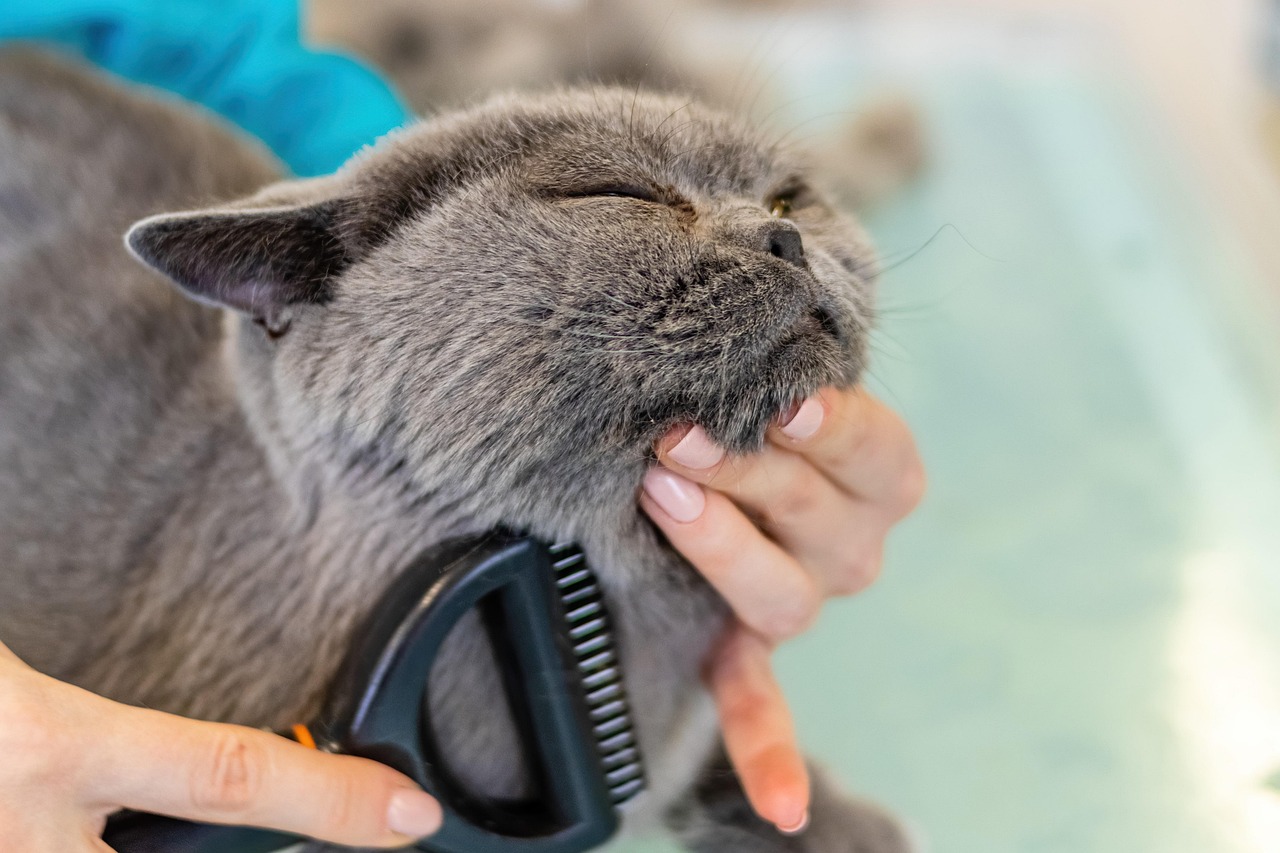

Understanding Your Cat’s Shedding Cycle for Optimal Grooming
Understanding your cat’s shedding cycle is essential for maintaining their health and appearance. Cats naturally shed hair to rid themselves of old or damaged fur, and this process varies throughout the year. Most cats tend to shed more in the spring and fall, aligning with temperature changes. During these peak seasons, increasing grooming frequency can help manage the excess fur and prevent potential hairballs. Moreover, older cats and those with certain medical conditions may experience altered shedding patterns, making grooming all the more necessary for their well-being. Regular grooming not only helps control shedding but also promotes a smoother, healthier coat. It benefits you as well by reducing fur around your home. Different cat breeds have varying grooming needs; long-haired breeds often require more frequent grooming compared to short-haired ones. Make it a habit to observe your cat’s shedding patterns closely to determine the best grooming routine. You might find that some breeds shed less frequently. Understanding these patterns can also pave the way for a more positive grooming experience. Consider investing in the right grooming tools to maintain your feline’s shine and cleanliness.
Another important aspect to remember is the grooming tools that are most effective in managing your cat’s shedding. Brushes specifically designed for shedding, such as slicker brushes or de-shedding tools, can help remove loose fur effectively. These tools vary in terms of their design and function, catering to different coat types. For instance, a slicker brush is excellent for long-haired breeds, as it can penetrate deep into the coat without causing discomfort. Alternatively, short-haired breeds might benefit from a rubber brush that collects loose fur while providing a gentle massage. Regular brushing not only keeps the coat healthy but can also strengthen the bond between you and your pet. Before committing to a routine, consider your cat’s temperament and preferences. Accustom your cat gradually to the brushing process if they are not used to it. Always reward your cat with treats or affection after grooming sessions to create a positive association. A well-groomed cat is usually more comfortable, thus reducing stress for both owner and pet. Understanding and implementing these grooming strategies can significantly improve your cat’s comfort and health.
Additionally, environmental factors play a role in your cat’s shedding frequency. Humidity levels can affect how often your cat sheds. During drier months, cats may shed more, while higher humidity typically leads to less shedding. The indoor climate matters, as heating, air conditioning, and other environmental changes can contribute to changes in shedding patterns. Every cat’s needs will differ, largely depending on their breed, age, and lifestyle. Outdoor cats often have a different shedding cycle than indoor cats due to exposure to various weather conditions. It’s crucial to adjust your grooming practices based on these factors. Keeping an eye on your cat during these transitional periods can aid in timely grooming adjustments. Moreover, laying down rugs or lint rollers in easily accessible areas can help gather any loose fur that escapes during shedding seasons. Regular vacuuming and cleaning can also minimize the fur around your living spaces. Consult your veterinarian if you notice excessive shedding; as this may indicate underlying health issues that need attention. A tailored approach towards grooming can drastically enhance your cat’s life quality.
Signs Your Cat Needs More Grooming
Identifying when your cat requires more grooming can be straightforward with a few observations. Look for signs such as increased hairballs, mats, or clumps of fur around your home, which indicate that shedding is not being managed adequately. You might also notice more fur on your clothes or furniture than usual; these are alerts that it’s time to step up the grooming routine. Besides common visual indicators, behavioral signs may also signal your cat’s grooming needs. For instance, if your cat is scratching or biting at its coat more frequently, it may indicate discomfort caused by a matted or dirty coat. Additionally, if your cat is hiding or avoiding interaction, grooming discomfort could be the reason. Pay attention to these behavioral changes, as they serve as important signals that your cat may not be feeling its best. Keep in mind that less brushing might contribute to higher anxiety or discomfort for your feline friend. The more you understand your cat’s grooming needs, the happier they will be overall.
When determining the right frequency for grooming, consider your cat’s breed. Long-haired breeds like Persians or Maine Coons significantly benefit from daily grooming to keep their coats in top shape. However, short-haired breeds often require less frequent grooming due to their manageable shedding levels. Try to establish a consistent grooming schedule that suits your cat’s needs and your lifestyle. Most cats can benefit from a weekly grooming session, especially during shedding seasons. Monitoring your cat after every session will help you gauge the optimal grooming frequency. If you notice increased shedding or hairballs, consider increasing the frequency temporarily. For those busy schedules, investing in grooming aids like self-cleaning brushes can also help maintain your cat’s coat while reducing work on your part. Additionally, be observant. If your cat begins to show discontent during grooming, reassess your tools and methods. Comfort is crucial during these sessions, and finding the right fit can ease any anxieties. Ultimately, the goal is a well-groomed, happy cat.
Benefits of Regular Grooming
Regular grooming offers numerous advantages for both you and your feline companion. Firstly, frequent grooming can significantly reduce shedding and hairball formation, thereby enhancing your home environment. Moreover, it supports healthy skin by distributing natural oils, leading to a shiny and vibrant coat. Additionally, grooming sessions provide an opportunity for you to bond with your cat, making it a special time to connect. This interaction can be soothing for your cat while strengthening your relationship. Regular grooming also allows you to check for any irregularities, like skin infections or parasites, facilitating quicker intervention if needed. Furthermore, grooming can help reduce allergens present in the fur, benefiting individuals with allergies within the household. There is also the added bonus of making your house cleaner, with less fur settling on furniture and floors. Remember that the type of grooming you choose may also lead to less stress during vet visits. A cat accustomed to regular grooming is usually calm in unfamiliar settings. Overall, committing to a suitable grooming schedule fosters well-being for both you and your feline friend.
In conclusion, understanding your cat’s shedding cycle and adapting your grooming frequency accordingly can lead to healthier and happier pets. It is essential to recognize that every cat is different, and their grooming needs may vary based on numerous factors such as breed, age, and overall health. The more in tune you are with your cat’s specific needs, the more effective your grooming routine will be. Regular grooming does not only enhance your cat’s physical appearance but also contributes positively to their mental well-being. Employing the right tools and establishing a consistent routine is crucial. Always keep an eye out for signs indicating that your cat may require more grooming and be willing to adjust accordingly. Remember the benefits of bonding through grooming sessions as well! Make it a fun and rewarding experience for your cat. Establishing good grooming habits early on can lead to long-term well-being. Ensuring your cat is comfortable and happy will pay off in the long run. So gear up with your grooming tools and enjoy the time spent caring for your furry friend.