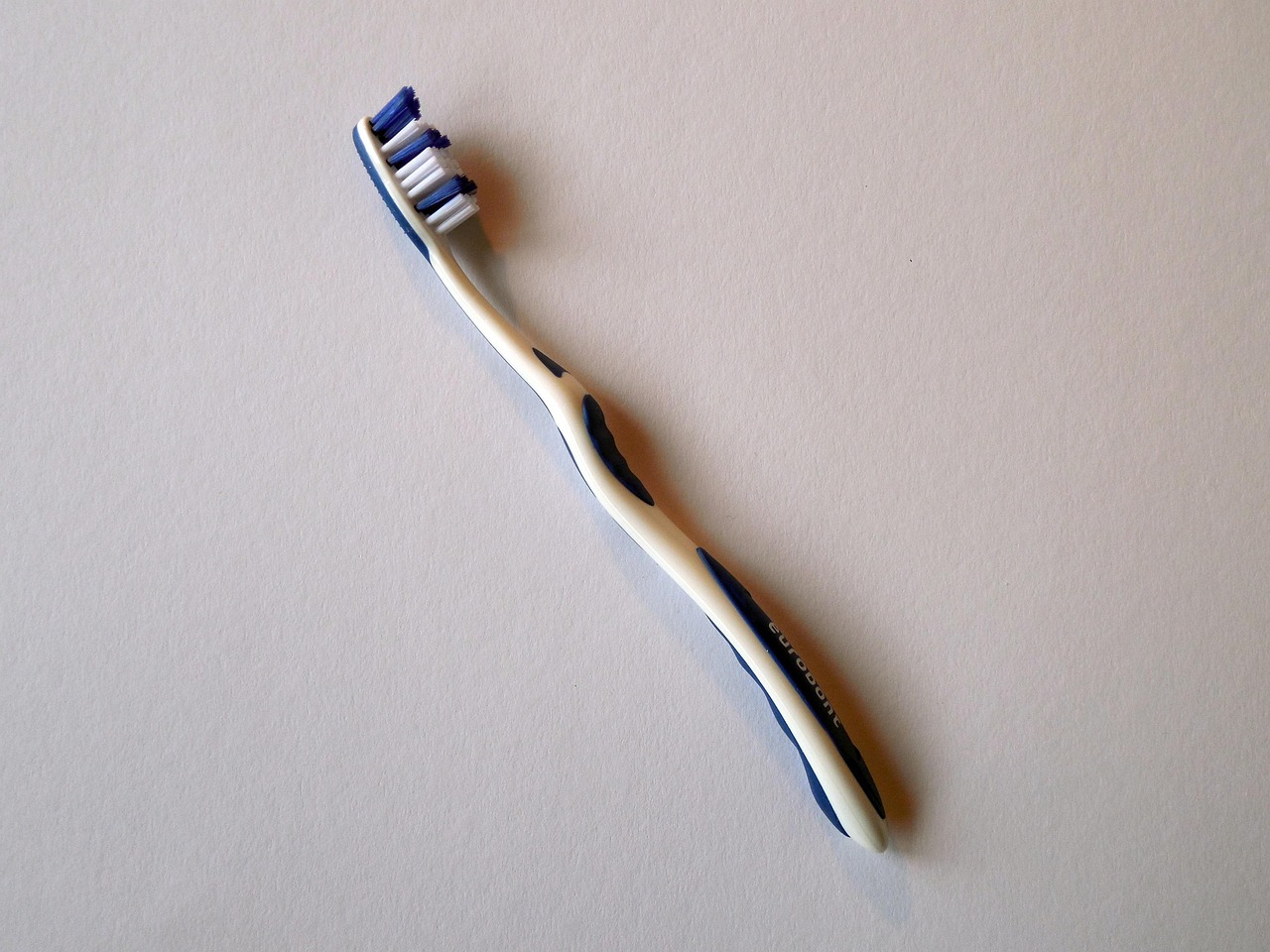

Comparing Price vs. Quality in Dog Toothbrush Selection
When it comes to maintaining your dog’s dental hygiene, selecting the right toothbrush is crucial. Dog toothbrushes come in various forms, each designed to cater to different needs and preferences. Price often plays a significant role in selection; however, quality should hold equal weight. Cheaper brushes might seem appealing initially, but they may not offer the same effectiveness or durability in removing plaque and tartar. High-quality toothbrushes often feature durable bristles, ergonomic designs, and may even come equipped with specific features to ensure effective cleaning while being gentle on the dog’s gums. As you consider options, be sure to compare not only prices but also the materials and the overall construction. Check reviews for each type of brush to understand what other dog owners have experienced. The dental health of your pet is paramount, and investing in a good toothbrush can save you money in the long run by avoiding costly dental procedures. Start prioritizing your dog’s dental care by exploring the options available and determining which toothbrush aligns best with both your budget and your dog’s unique needs.
One critical factor to consider when choosing a dog toothbrush is the size and shape. Brushes come in various sizes, so it’s essential to select one that fits comfortably in your hand as you work on your dog’s teeth. A smaller brush might be appropriate for smaller breeds, while larger dogs may require bulkier options. In addition to size, the design can significantly impact how well you can clean your dog’s teeth. Some brushes use angled heads to reach those challenging areas, while others may incorporate features like a finger brush for better control. These variations can make a significant difference in how effective the cleaning process is and how willing your dog is to cooperate. A brush with soft bristles is generally recommended, as hard bristles can harm your pet’s gums. Many pet owners find that toothbrushes designed specifically for dogs also have unique features tailored to pet owners’ needs. Take time to try various brushes on your dog to find the best option that ensures comfort and thorough cleaning for their oral health.
Another essential consideration in dog toothbrush selection is the bristle type. Not all toothbrushes are created equal, especially when it comes to bristles. Generally, toothbrushes for dogs come with either soft or medium bristles. Soft bristles are often recommended for most dogs, as they are gentle on sensitive gums but still effective in plaque removal. It is crucial to avoid hard bristled toothbrushes, which may cause gum damage and discomfort during brushing. Dogs can develop dental problems, so their toothbrush must promote healthy teeth and gums without inflicting pain. Additionally, some brushes may feature special designs, such as dual-sided bristles or rubberized grips, which can enhance the cleaning experience. When comparing toothbrushes, ensure each option’s bristles are appropriately suited to your dog’s needs. Look for brushes backed by veterinarians and consider consulting your vet for recommendations. It is vital to make an informed decision prioritizing your dog’s comfort while achieving optimal oral health. Researching options will provide valuable insights into which toothbrush to choose.
Importance of Building a Routine
Developing a regular dental care routine for your dog is vital for maintaining their overall health. Establishing a brushing routine with your chosen toothbrush will help remove food particles and plaque, reducing the risk of gum disease and dental decay. Many dog owners struggle to incorporate brushing into their pet’s daily schedule, but consistency is key. Start slowly, allowing your dog to get accustomed to the toothbrush and gradually introducing the brushing process. Choose a time of day when your dog is calm to create a more pleasant experience for both you and your pet. Regular brushing should be done at least two to three times a week, if not daily, for optimal results. In addition to brushing, providing dental chews and toys can contribute to improved dental health. These supplementary methods can complement brushing and help keep your dog’s teeth cleaner between brushing sessions. Ultimately, it is essential to be patient and persistent through this process, as building a routine will promote long-term benefits and contribute to your dog’s happiness and health.
Another significant aspect when comparing toothbrushes is their compatibility with toothpaste. It is vital to note that regular human toothpaste can be harmful to dogs, so you should always opt for specially formulated dog toothpaste. Most dog toothbrushes are designed to be used with specific types of pet-safe toothpaste, which not only tastes better to your dog but also helps maximize cleaning efficiency. In addition, the right brushing technique can significantly enhance the results you achieve. Ensure you are brushing at a 45-degree angle to the gum line for best effectiveness. Combined with the right toothpaste, you can significantly improve your dog’s dental health over time. Many brands even offer dual-purpose products, such as toothbrushes with built-in toothpaste dispensers, which can simplify the brushing process to encourage owners to brush their pet’s teeth regularly. Experiment with various brands and types of toothpaste to find the one your dog enjoys and suits well with their toothbrush. Achieving a balance of effective cleaning, taste, and comfort will pave the way towards better oral health for your furry friend.
When analyzing toothbrushes in the market, you may also want to look for additional features they offer. Some manufacturers include extra features such as rubber grips or multi-headed brushes meant to reach more surfaces in the mouth. Many dog toothbrushes come equipped with different head sizes to accommodate various breeds and mouth shapes, making them a versatile option for pet owners. Additionally, some brands offer toothbrushes with replaceable heads, extending the life of your investment while maintaining optimal cleaning quality. These brushes are often aesthetically designed to appeal to consumers, making them more attractive than traditional options. However, these features can also drive the price higher. Carefully weigh the long-term benefits of these features against their price points; you may find a more expensive brush will actually save you money in the long run. Saving on dental bills due to improved oral hygiene and fewer vet trips may be worth it. Consider your options carefully, as they will significantly impact both your wallet and your dog’s dental health in the foreseeable future.
Budgeting for Dog Dental Care
As pet owners, budgeting for quality dental care is essential, as it includes more than just selecting a toothbrush. Regular dental hygiene requires ongoing investment, including the cost of toothpaste, treats, and potential vet visits for dental examinations. Evaluating your dog’s dental needs will help you set realistic expectations when budgeting for this care. Factor in how frequently your dog will need dental cleanings or what preventive care methods are necessary, such as chew toys that promote dental hygiene. Taking the time to create a dedicated budget for your dog’s dental care will help ensure they receive the necessary attention for their oral health. Remember, neglect in this area can lead to severe problems requiring more expensive treatments, including extractions or surgeries. By investing judiciously in good quality products upfront, you’re setting a foundation for a balanced dental routine. Educating yourself on the importance of dental health in dogs will instill better habits and practices as a responsible pet owner. Proactive dental care is essential, and though it might seem costly at times, it will save you money and provide your dog with a more vigorous, happier life overall.
In summary, selecting the right toothbrush for your dog requires a thoughtful approach, considering various factors from price to quality. While budget constraints are understandable, the emphasis must also be placed on ensuring effective cleaning. Cheaper options can save money initially but can lead to higher dental expenses in the long run. Proper dental care includes establishing a brushing routine, considering both your dog’s comfort and preference while researching the best products to use. Always prioritize safety and long-term health outcomes in your selections. By combining high-quality toothbrushes with appropriate toothpaste and additional dental care methods, you can significantly improve your dog’s dental health. This will lead to healthier teeth, fresher breath, and a happier pet, ultimately benefiting both you and your furry companion. Continuous education and adapting your approach will contribute to achieving long-term success in maintaining your dog’s oral hygiene. Start by exploring available options, consulting with professionals, and committing to establishing a consistent routine to promote better dental habits in your pet for years to come.