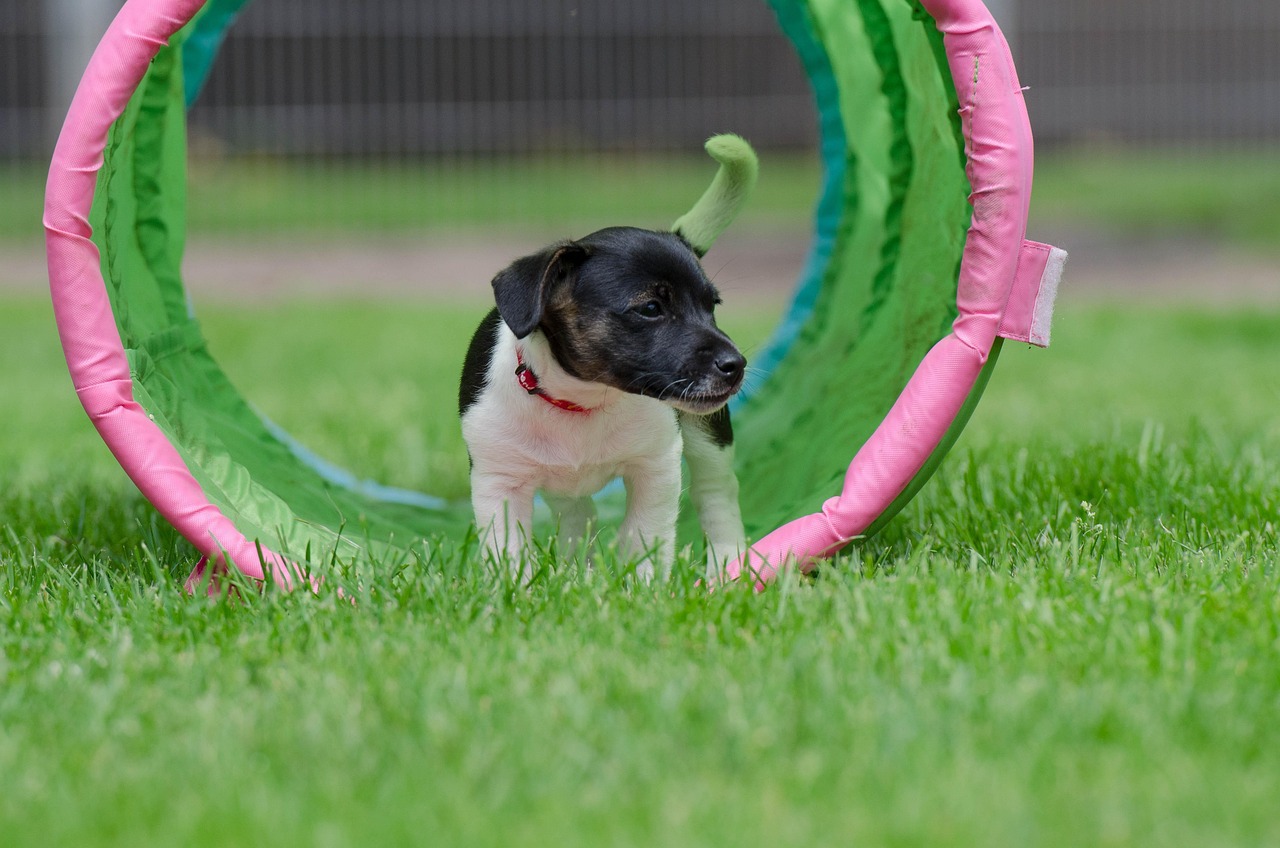

Socializing Your Puppy: Why It Matters and How to Do It
Socializing your puppy is a crucial aspect of their development. It helps them become well-adjusted adult dogs, capable of navigating various environments and circumstances with ease. Socialization refers to exposing your puppy to different people, places, and situations. By doing this, you are helping them build positive experiences and reduce anxiety around unfamiliar stimuli. Failing to socialize your puppy can lead to fearful behavior, aggression, or anxiety later in life. The critical period for socialization occurs between three and fourteen weeks of age. During this time, puppies are more receptive to new experiences. Early interactions with diverse dogs and people can significantly impact their behavior as adults. Start the socialization process at home, gradually introducing your puppy to different sounds, sights, and smells. It’s essential to ensure that these experiences are positive and rewarding. Use treats, praise, and playtime to create a positive association. Also, enroll in a puppy socialization class for professional guidance and structured interaction. Aim to create a solid foundation for your puppy to grow into a loving and confident adult dog. Socialization is a lifelong journey, so keep the experiences continuous.
To achieve effective socialization, it’s important to expose your puppy to various situations, including other pets, children, and adult dogs. Start introducing them to friendly and vaccinated dogs of different sizes and temperaments. This ensures that your puppy learns proper canine etiquette and becomes comfortable in social gatherings. Work on their basic obedience skills, such as sit, stay, and come, to establish clear communication between you and your furry friend. Gradually elevate the complexity of social experiences, like visiting a park or attending an outdoor event. Remember, positive association is key! Encourage and reward your puppy for calm behavior, which will help them associate social situations with good feelings. Monitor your puppy’s responses and give them a safe space to retreat if they feel overwhelmed. It’s perfectly fine to step back and attempt again later. Routine exposure is essential. Daily walks in different locations can significantly enhance your puppy’s adaptability. Be mindful of their comfort levels, gradually increasing exposure over time. Additionally, invite friends and family over to reinforce positive interactions. Each successful encounter contributes to their overall behavioral development, promoting confidence and sociability.
The Importance of Positive Reinforcement
Positive reinforcement is fundamental during your puppy’s socialization process. Utilize treats, praise, and affectionate gestures to create positive associations with new experiences. Puppies are motivated by rewards, and effective training requires making those rewards as enticing as possible. For example, if your puppy meets another dog without exhibiting fear, offer a treat right away. This teaches them that good things happen during social interactions. Moreover, consistency in reinforcement helps solidify desired behaviors. Also, avoid using punishment or negative reinforcement, as this can lead to anxiety and fear-based behaviors. When puppies associate socialization with stress or discomfort, they are less likely to engage positively in future experiences. Socialization sessions should remain enjoyable, keeping the language around the interactions upbeat and encouraging. Regular practice builds confidence, enabling your puppy to engage in new environments. Don’t forget to manage your expectations; not every encounter will go perfectly. Some reactions may require patience and a tailored approach. As your puppy becomes more comfortable, gradually increase the level of social exposure. Celebrate progress, no matter how small, acknowledging the journey while shaping a confident adult dog. Socialization should be a positive experience that nurtures your puppy’s development.
Early socialization also plays a vital role in preventing behavioral problems in adult dogs. A well-socialized dog will typically exhibit better behaviors in various situations, making them more manageable and enjoyable companions. Dogs that miss this developmental window may become fearful or overly protective, leading to aggressive behaviors if they feel threatened. Regular social interaction can reduce the likelihood of these issues, as your puppy learns to recognize and respond appropriately to various stimuli. It’s advisable to provide exposure to various environments, such as urban settings, trails, pet-friendly events, and homes with other animals. This diversity in experiences enables your puppy to adapt easily to different situations in the future. Remember that each dog’s temperament varies, so tailor your approach to fit your puppy’s personality. An introverted puppy may require gradual exposure to new experiences, while an extroverted puppy may thrive with more immediate engagement. Keeping the experience positive and gradual can also enhance bonding between you and your puppy. Maintain a supportive and calm attitude throughout the socialization process, reaffirming your puppy’s courage, as this will foster trust and a desire to explore the world around them.
Challenges in Socialization
While socialization is vital, some challenges can arise along the way. Fearful reactions in puppies can stem from past experiences or unfamiliar situations. If your puppy exhibits fear or anxiety, determine the root of their discomfort. For example, if they struggle around bigger dogs, gradually introduce them to smaller, friendly canines first. This thoughtful approach helps prevent overwhelming your puppy and reinforces their ability to cope with stress. If you encounter significant challenges, it may be beneficial to consider professional help, such as training classes for puppies. A certified trainer can provide essential insight into behavioral patterns and proper socialization techniques. Additionally, be patient during socialization, as it can take time for your puppy to become comfortable with new experiences. Daily socialization should be brief but consistent. Ensure every experience is as positive and enjoyable as possible, so your puppy looks forward to social interactions. Giving your puppy plenty of time to adjust is crucial in successfully navigating these challenges. Obedience training can also serve as a valuable tool for preparing your puppy for social encounters, leading to smooth interactions with others. Remember, every dog is an individual, and socialization is a journey.
As your puppy matures from adolescence into adulthood, ongoing socialization remains crucial for their behavioral health. Adult dogs that have not been adequately socialized may demonstrate anxiety or aggressive behavior, primarily due to their inability to cope with new situations. Maintaining social contact with other dogs, people, and various environments promotes confidence and adaptability. Organize playdates with friends’ pets or enroll in group training classes to facilitate healthy interactions as your dog grows. Continuing these practices into adulthood ensures that they retain their social skills and learn how to function well in society. It is also essential to observe if your dog develops any negative behaviors as they grow. Address any issues quickly and seek professional advice if needed. A qualified trainer or behaviorist can help you fine-tune your socialization strategies for adult dogs, ensuring good behavior remains consistent. Age doesn’t diminish the need for socialization; managing a well-adjusted emotional state is a lifelong commitment. Create opportunities for new experiences and positive interactions, whether through daily activities or community events. This ongoing commitment builds your dog’s confidence, reinforcing the healthy behaviors you’ve instilled throughout their development.
Conclusion: The Lifelong Journey of Socialization
The journey of socializing your puppy doesn’t end once they reach adulthood; it is a lifelong process requiring dedication. Creating opportunities for social interaction throughout your dog’s life is essential, as it solidifies what they have learned in their formative years. Involve your dog in various activities, such as visiting pet parks, attending dog-friendly events, and enjoying outdoor adventures together. These experiences help strengthen the bond you share while also promoting stability for your furry companion. Be proactive in exposing your dog to situations that encourage positive behavior and reduce anxiety, leading to a well-rounded personality. Regular positive experiences can foster an adaptable and resilient temperament, free of unnecessary fears. Keep engaging with your veterinarian for regular check-ups, ensuring they are healthy and able to interact effectively with other dogs. Additionally, implement ongoing training sessions that reinforce social skills and obedience, enabling smooth interaction as they grow older. By committing to your dog’s social development, you create a meaningful and enjoyable companion relationship. The investment of time and effort in socialization will yield immeasurable rewards, forming a strong foundation that enriches both your life and your dog’s.