
How to Train Your Dog to Follow Agility Commands
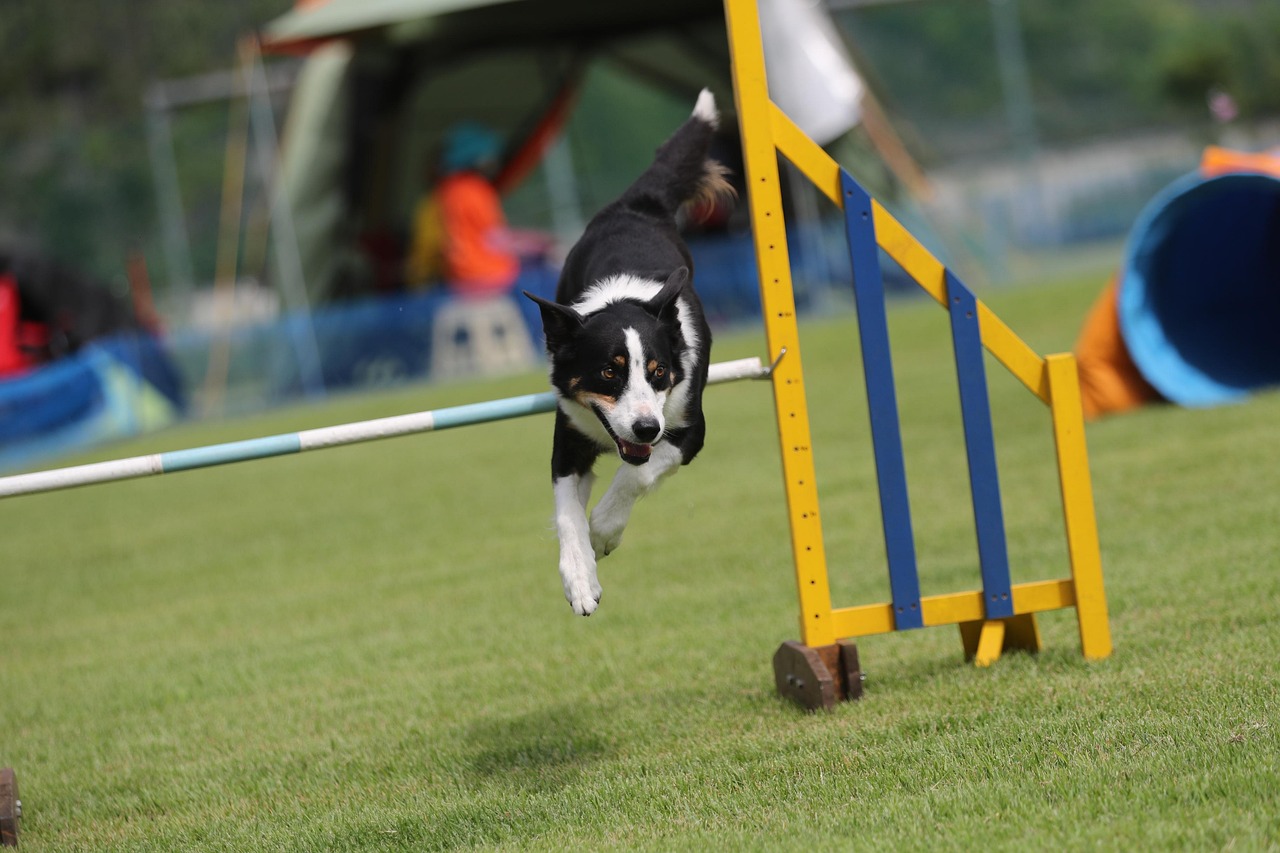
Agility training is a thrilling way for dogs and their owners to bond, enhance communication, and improve physical fitness. Start by choosing a space suited for agility drills, like a yard or park. Ensure the area is free of distractions. Begin introducing your dog to various agility equipment, including tunnels, jumps, and weave poles. Familiarize them with one piece at a time, allowing dogs to explore each obstacle. Use treats to encourage exploration and make every interaction enjoyable. A positive approach is essential; ensure your dog associates the equipment with fun experiences. Consistency is vital throughout the training process. Dedicate specific times each week for agility practice. Gradually increase the difficulty level as your dog masters each obstacle. Keep training sessions brief but frequent—about 10 to 15 minutes will help maintain enthusiasm without overwhelming your dog. Training should feel like a game rather than a chore. Incorporate commands, such as “jump” or “weave,” to establish a clear communication system with your dog. Reinforce learned commands with treats and praise, leading to a confident and well-trained agility partner. Patience and encouragement are key elements in this delightful process.
Next, introduce your dog to basic agility commands, starting with simple phrases. Commands such as “go,” “come,” and “stop” are crucial first steps to effective agility training. Consistently use these commands in practice sessions, ensuring your dog recognizes verbal cues. Employ hand signals simultaneously to enhance understanding, as visual cues can be very helpful. Repetition is essential; practice commands at least five times in every session, allowing your dog to connect commands with actions. For consistency, always use the same tone and body language when calling your dog. Cats or other dogs can create distractions. Use a leash during initial training to guide and direct your dog as they learn commands. Also, consider using a clicker, which can be an effective way to reinforce positive behaviors. Click when your dog performs correctly, followed by a reward—this method improves focus and aids learning. After establishing basic commands, incorporate them during agility exercises. For example, say “jump” as your dog approaches a jump and offer praise when successful. This process strengthens your bond and makes communication clear and consistent while preventing confusion. Additionally, practice in various environments to adapt your dog’s agility skills.
Building Confidence Through Positive Reinforcement
Building your dog’s confidence through positive reinforcement is crucial in agility training. Every command and obstacle they complete successfully boosts their self-esteem. Always reward good performances. Use high-value treats or favorite toys as rewards. Positive words, along with physical affection, reinforce desirable behaviors. This approach will create a love for agility training in your dog. Furthermore, ensure that your training environment is free of stress and pressure. When dogs feel tense, they may resist following commands or become distracted. To prevent this, maintain an upbeat and cheerful atmosphere during the training sessions. Express enthusiasm! Celebrate every small win by using praises like, “Good boy!” or “Great job!” These exclamations motivate dogs to continue trying and acting positively. Try maintaining a gradual progress pace; as your dog gains confidence, they will naturally want to try more complex tasks. Mixing tricks is also beneficial; like teaching them to jump over hurdles or weave between poles will keep training engaging and diverse. Regularly changing the training routine and keeping it fresh will spark curiosity and interest, ensuring the exuberance of training sessions continues.
Another significant aspect of effective agility training is the importance of patience, especially when starting with an inexperienced dog. Dogs learn at varying paces, and it’s essential to recognize when your dog needs a break or is not ready for a particular obstacle. Never push them to the point of frustration. Instead, maintain an observant approach: look for signs of fatigue or anxiety. If your dog seems overwhelmed, pause the session to give them a chance to relax. A well-timed break can refresh your dog’s focus and motivation. The goal should be to keep your dog engaged and interested in training rather than feeling pressured. Remember, training is a journey, and every dog is unique! They may excel in certain areas while taking longer to master others. To enhance their learning process, break down each agility command and jump into smaller, manageable components. This technique enables dogs to understand intricate tasks step-by-step. For example, if your dog seems hesitant with jumps, practice jumping small objects first. Gradually increase the challenge as confidence builds to support positive progress and successful agility training.
Ensuring Consistency in Training
Consistency is vital for effective agility training. Ensuring that commands, rewards, and practices are consistent will help your dog grasp concepts faster. Develop a training schedule that you can stick to, identifying ideally when both you and your dog are most focused and energized. Adhering to this schedule helps your dog become accustomed to the routine, making them more comfortable with agility training sessions. During practice, use the same clothing or props, like your training clicker or designated leash. Consistency in these elements will reinforce familiarity and assurance. Encourage others involved in your dog’s training to use the same commands to avoid confusion. This may include family members or friends who play a role in your dog’s environment. Similarly, ensure people use the same hand gestures for better understanding. Likewise, during transition periods between agility tasks, maintain a clear routine; avoid shifting commands in the middle to ensure smooth progression. At the end of each session, review the commands and skills learned, recap your dog’s achievements, and express pride in their efforts, reinforcing a sense of accomplishment and motivation for future sessions.
After establishing a solid foundational skill set, begin to increase the challenge of the courses by introducing combinations of obstacles. Dogs thrive on challenges when introduced appropriately, so build sequences of jumps, tunnels, and weave poles. For instance, set up a course that encourages your dog to jump, then weave through poles directly following a jump. Start with two or three elements, rewarding successful completion with treats and praises. Gradually expand the agility course once your dog masters shorter sequences. Aim for around five to seven obstacles in one run to test and engage your dog thoroughly, but ensure that they can handle the complexity first. Varying the sequences not only keeps things interesting but also strengthens their problem-solving skills. Moreover, it enhances the bond you share as they learn to anticipate your commands and adapt based on your cues. Remember that every dog has its learning curve; thus, monitor their progress closely! If your dog seems to struggle, revert to simpler sequences until confidence builds up again, ensuring their training experience remains fun and rewarding.
Building Advanced Skills and Creating Competitions
As your dog becomes more adept at navigating agility courses, consider delving into advanced skills and even participating in competitions. Competitive agility can serve as a motivating goal, encouraging your dog to refine and improve their skills. Start by researching nearby agility competitions to understand the standards and expectations. Observe other dogs in competition settings. This will provide insights into how to improve your dog’s performances. In competitions, practice a variety of courses to build versatility in your dog’s skills. This exposure will increase their ability to adapt to different setups and obstacles within competitions. Be mindful that during competition training, you maintain a focus on enjoyment. The competition is about teamwork forged through play. Ensure your dog feels comfortable under competitive pressure. Create mock competitions at home with friends! This practice will help your dog acclimate to the competition environment while also being fun. Lastly, be proud of every achievement, no matter how small, since every step taken together is significant! Celebrate your dog’s dedication, and remember that whether or not you compete, the journey is what truly matters in agility training.
Through agility training, owners can foster an incredible bond with their dogs. It builds trust, improves discipline, and reinforces communication skills. As dogs learn to follow commands, they become more responsive and attentive to their owners. In the end, the bond created through this training method enhances overall relationships. As your dog flourishes in agility training, remember to enjoy every moment! Cherish the success, setbacks, laughs, and challenges you face together. All these moments aid in personal growth for both the dog and owner. Agility training can be a rewarding way to engage dogs in physical activity while strengthening the human-animal connection. Consider sharing your journey on social media to inspire others to embark on their agility training adventure. Building a community around this interest can aid in troubleshooting common challenges and sharing tips or techniques that may help others. Take photographs during training sessions showcasing your dog’s progress! Documenting each step helps you highlight milestones achieved along the way. These reflections solidify the memories created and can rekindle motivation for continued progress. Ultimately, agility training enriches your dog’s life while providing endless joy and memorable experiences along the way!