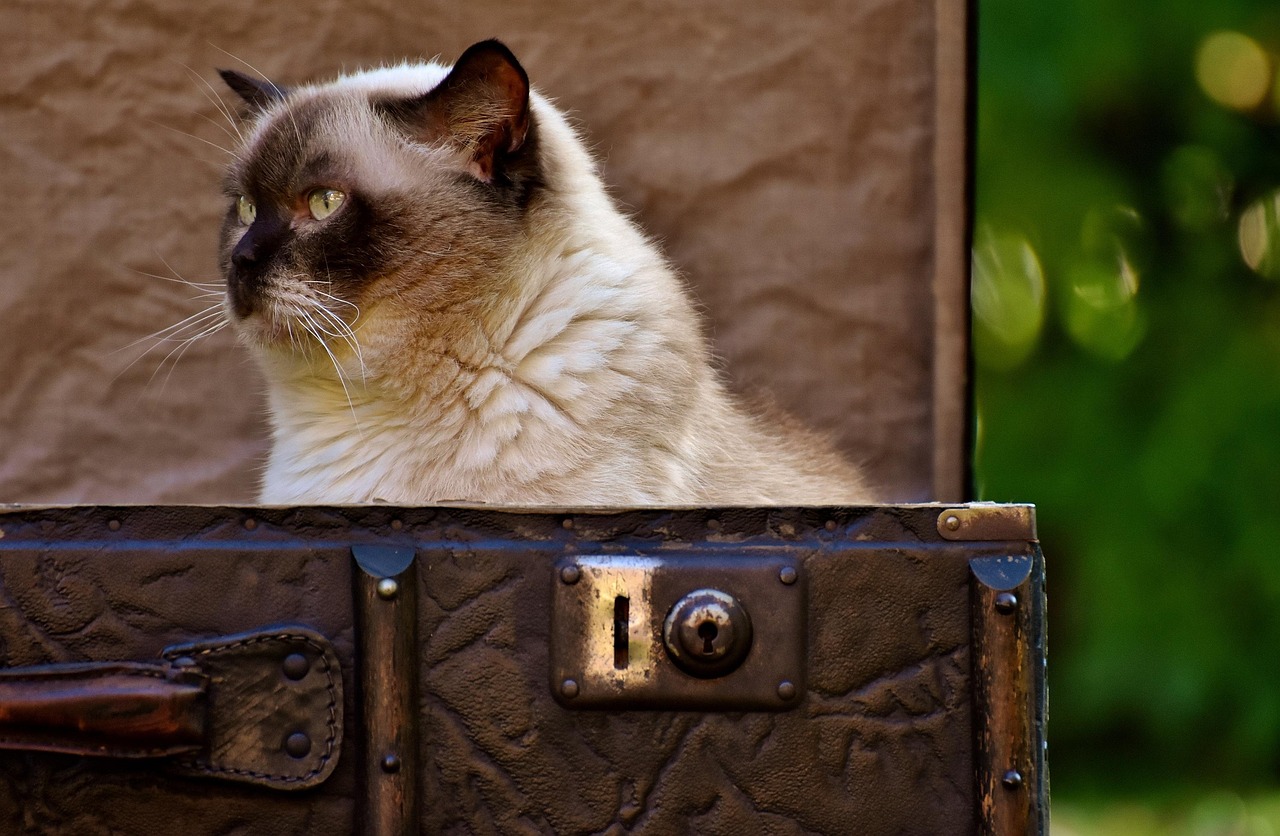

Packing Essentials for Traveling with Cats
Packing for a journey with your feline friend requires careful consideration to ensure a smooth adventure. Before setting out, make a checklist of essential items to bring along. Your cat will need a reliable carrier, which should be well-ventilated and secure. In addition to that, don’t forget to pack their favorite blanket. It will provide comfort during the trip. Also, it’s essential to have their food and water bowl, along with enough supply of their preferred food. Having fresh water available at all times is crucial for hydration. You might consider including a portable water bottle for easy refills. Additionally, don’t neglect to bring along a leash and harness. These are helpful, should you need to take your cat out of the carrier during breaks. To keep them entertained and stress-free, think about packing some toys or a scratching post. Lastly, remember any medications your cat may require; it’s crucial for their health while traveling. Preparation ensures a safer, happier journey for both you and your furry companion.
Creating a Travel Kit for Your Cat
Creating a travel kit specifically for your cat can greatly enhance the experience for all involved. Start by gathering necessary supplies that cater to your cat’s daily needs. First and foremost, include a litter tray and eco-friendly litter, as this will keep your pet comfortable on longer journeys. Enclosed carriers should also house familiar items like your cat’s toys or favorite bed to help minimize anxiety. Consider adding grooming tools, too, such as a brush to manage shedding during the trip, especially for long-haired breeds. Along with food and water supplies, pack some high-value treats that can reward your kitty during stressful moments. It can help build positive associations with the travel environment. Furthermore, don’t forget to have identification tags on your cat’s collar, ensuring they’re easily recognizable if they wander. A copy of their vaccination records is also advisable in case of emergencies. Organizing all these items in a designated bag or backpack helps streamline later packing. This is not only efficient but also assists in maintaining an orderly travel environment.
Before embarking on a journey with your feline companion, it’s essential to acclimatize them to traveling. Introduce your cat to their travel carrier well in advance. Allow them to explore and familiarize themselves with it. This helps alleviate anxiety during trips, making them more comfortable in their enclosed space. Gradually, begin taking your cat on short rides around town. Over time, this will help them adjust to the sensation of being in a moving vehicle. After a few trial runs, you can schedule longer drives to further ease their anxiety. Remember, while some cats handle travel better than others, patience is key for even the most experienced travelers. Preparing your pet will help you both have a more enjoyable experience during your journey. During the trip, keep the temperature in the car comfortable for your cat. Avoid loud music, as this may create a stressful environment. Ensure proper airflow, and take breaks every couple of hours so your feline has an opportunity to stretch or use their litter box. These adjustments can drastically improve the traveling experience for both you and your furry friend.
Health and Safety Considerations
Health and safety should be paramount when traveling with your cat. Prior to the journey, a visit to the vet is advisable. Checkup appointments should ensure that your cat is healthy enough to travel. Also, ask about vaccinations specific to your travel destination. Investing in a good quality carrier is crucial, as it ensures your pet’s safety during travel. While on the road, secure your carrier properly, preventing sudden movements that may lead to stress or injury. Another essential aspect to consider is microchipping your pet. This can provide peace of mind in case of an accident or if your cat escapes. In addition to the essentials, having a first aid kit available is beneficial. This kit should consist of necessary items such as gauze, antiseptic wipes, and your vet’s contact information, in case emergency treatment is required. Keeping an eye on your pet’s behavior, especially during transitions, is critical. Monitor for signs of distress such as excessive meowing or hiding, and make adjustments as needed to help them settle in effectively.
On the subject of feeding your cat, consider their usual schedule and maintain it as closely as possible. Disruptions in routine can lead to discomfort, so pack enough of their regular food to last throughout the journey. If you expect delays, having extra food supplies is also a great idea, ensuring your feline friend remains nourished and satisfied. One useful item to consider for hydration is a portable water bowl or a collapsible one. Stay vigilant regarding your cat’s drinking habits; regular hydrating is crucial, especially during warmer months. You might also want to keep treats handy, as these can be great morale boosters during long trips. If your cat has travel anxiety, try introducing calming treats prior to your trip. Ensure they are adaptable to prevent upset stomachs with new treats. Transitioning to travel might require patience, so supportive experiences can greatly help your kitty. Lastly, always clean up thoroughly after snack times and litter breaks. Being responsible ensures that your travel interactions with others remain pleasant and stress-free.
Entertaining Your Cat During Travel
Keeping your cat entertained during travel prevents boredom and alleviates anxiety. Start by bringing along engaging toys that your cat loves. These can range from simple feather wands to interactive puzzle toys. Remember, each cat is unique, so selecting toys based on your pet’s personality is vital. Consider rotating the toys to keep them exciting. Also, don’t forget about some scratching material; this can provide an outlet for their energy and stress relief. Interactive games between you and your cat, such as tossing treats or playing with laser pointers, can also make the journey enjoyable. In addition to toys, be aware of their socialization necessities. Spend quality time bonding, even while on the road. You can also bring a cozy blanket or favorite bed for comfort. Creating a calming environment can promote relaxation. As the trip progresses, take occasional breaks for exploration. Allow your cat to stretch their legs and experience new smells, fostering adaptability. These small activities can significantly improve your pet’s comfort and joy while traveling, making for happy travel memories together.
Upon arrival at your destination, the transition period is essential for both you and your cat. Take the time to introduce your cat to their new environment slowly. Set a designated space with their carriers initially, providing a sense of security. Gradually allow them to explore other areas, but ensure they have a comfortable escape if they feel overwhelmed. Familiar items from home, such as their bed and toys, will help ease the adjustment. When settling in, also consider the litter box placement to encourage usage. Introducing their litter box early will ensure they know where to go, reducing accidents or stress. Provide a consistent feeding schedule and maintain familiar foods, as this promotes comfort as well. Monitor your cat’s behavior closely during the adjustment phase; some may adapt quickly, while others may take time. Frequent reassurance and affection will help alleviate any anxiety they may have. Lastly, discuss the local veterinary resources, just in case of emergencies. Overall, easing your cat into their new surroundings fosters a strong sense of security and comfort during travel.