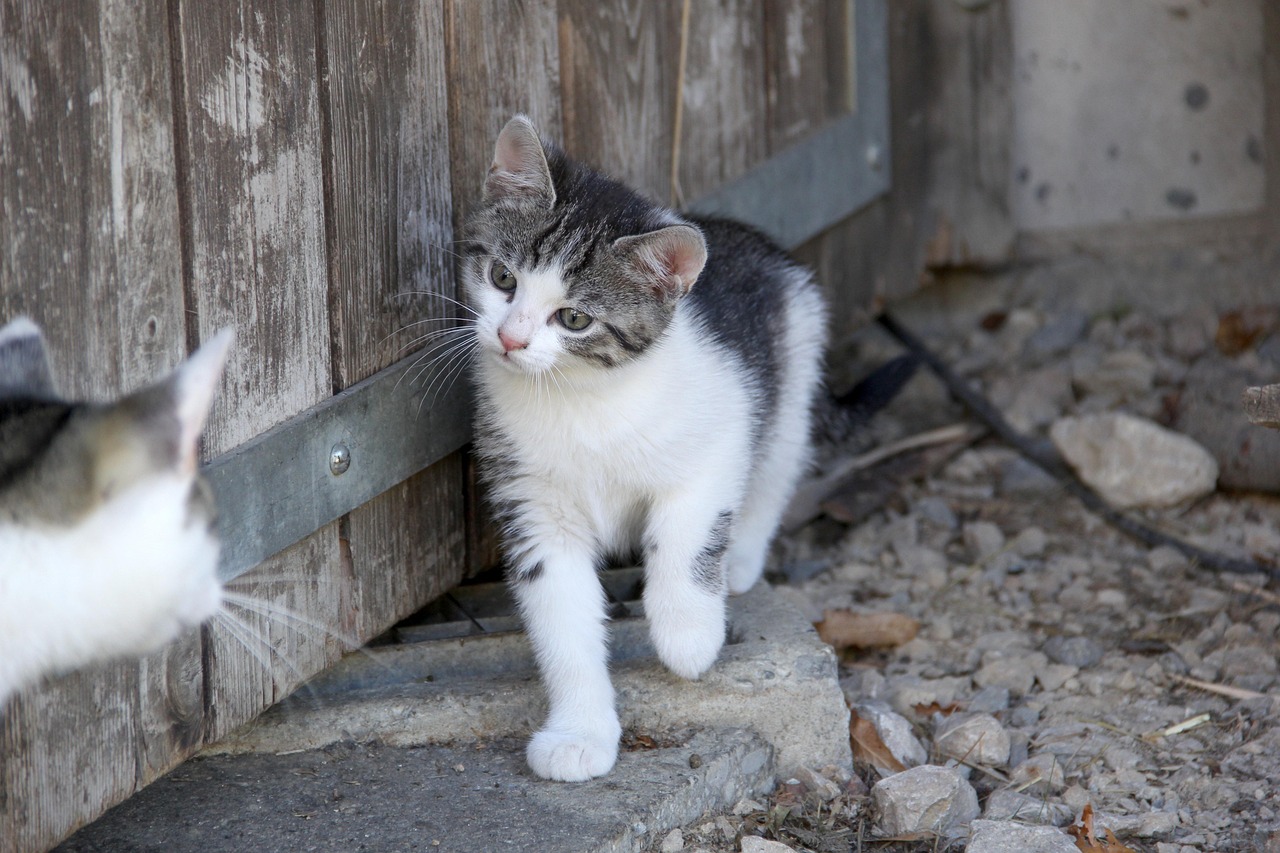

How Early Play Influences Cognitive and Emotional Growth in Cats
Understanding how play affects cats is vital to their development. Early experiences significantly influence their cognitive and emotional well-being. Kittens engage with their environment through play, which promotes important skills. Experiencing varied stimuli in a playful setting allows them to explore their capabilities. As they navigate through different challenges, their curiosity is piqued, leading to imaginative play behaviors. These interactions help form neural connections essential for problem-solving and decision-making later in life. Through play, they learn vital social skills, including communication and empathy. Interaction with littermates during play fights fosters critical skills such as impulse control and competition. This social structure aids in their ability to engage positively with other cats and humans. The consequences of limited play may lead to anxiety, aggression, or behavioral issues reaffirming the importance of play during kittenhood. Thus, ensuring adequate playtime with properly designed toys or engaging activities is crucial. Owners should devote time to interactive play sessions that challenge their cats physically and mentally. Recognizing the influence of early life play experiences can contribute to nurturing well-rounded cats that thrive emotionally.
The Role of Play in Development
The early development stages of a cat are crucial for shaping its future behavior. Play serves many vital functions during these formative months, providing valuable lessons about life. Kittens utilize play to understand their environments, developing motor skills and spatial awareness. Exposing them to various toys, such as balls or feathers, stimulates their hunting instincts, vital for their evolution. Play also fosters healthy social interactions as kittens play with their littermates. Engaging in rough-and-tumble play encourages the development of bite inhibition and other social behaviors essential for peaceful integration into feline society. Furthermore, playing instills confidence in kittens as they test boundaries and learn cause-and-effect relationships. Offering diverse play experiences allows kittens to explore different roles, from predator to prey. Such experiences directly influence their emotional resilience, making them better equipped to handle stressors in their lives. Owners play a crucial role by providing safe play environments and observing their cat’s reactions. This nurturing approach enhances the emotional and psychological well-being of the cat. Overall, the influence of play cannot be understated, shaping not just physical attributes but mental and emotional capacities.
Interaction with humans during play is equally important in the early stages of a cat’s life. Positive experiences with humans will dictate their future comfort level around people and other animals. Engaging with a kitten regularly fosters trust and builds a strong bond. Such routines can lead to cats that are more sociable and less fearful as they mature. This relationship encourages enhanced communication skills between cats and their human companions, allowing for better understanding and cooperation. Emphasizing positive experiences during play can also help alleviate potential behavioral problems as the cat ages. Playtime can serve as an incredible tool for reinforcing desired behaviors. The habits formed during early socialization periods are carried into adulthood. A cat that has experienced regular interaction is likely to be friendlier and less prone to anxiety. It’s essential for owners to recognize the impact of their engagement levels during these formative months. Consistent, positive interactions during play will create more adaptable cats that can thrive in a home environment. A well-socialized cat is often a happier one, leading to healthier relationships with humans and other pets alike.
Types of Play: Structured vs. Unstructured
There are two primary types of play that significantly affect a cat’s development: structured and unstructured play. Structured play often includes direct interaction between the owner and the kitten through specific games or activities. This type can enhance learning, as the owner guides the kitten through desired behaviors, encouraging problem-solving skills. Toys that require a cat to think, such as treat puzzles, fall into this category. Alternatively, unstructured play allows kittens to explore more freely. They can engage with their surroundings without guidance, tapping into instincts crucial for survival. This play helps kittens discover their preferences and develop individual personalities. Both structured and unstructured play contribute to a well-rounded developmental experience. Owners should aim to incorporate both types during their playtime activities. Mixing both styles not only keeps play fun but also supports different aspects of development. Proper balance allows kittens to grow into resourceful adults capable of navigating their environments effectively. Keeping things fresh and engaging encourages lifelong playfulness. Promoting a variety of experiences in their early lives leads to emotional stability and cognitive growth. Hence, introducing both types of play is essential for holistic development.
Safety is a paramount consideration when it comes to playtime for kittens. Owners must ensure that the available toys and spaces are safe and appropriate for their pets. Regular inspections of cat toys to eliminate potential hazards, such as loose parts or toxic materials, are essential. It’s vital to provide stimulation without introducing risks that could lead to injury. Additionally, supervising play sessions can help identify behavioral red flags early on. This vigilance fosters a safe environment where kittens can experiment and play without fear. Using age-appropriate toys ensures that the play is both fun and feasible for their developmental levels. Items like plush toys or feather wands stimulate both prey drive and overall enjoyment. Importantly, a safe play environment also affects emotional growth. Cats that feel secure during playtime exhibit more confidence, reducing anxiety in various situations. Proper socialization also depends on the safety of interactions with humans and other animals. Thus, ensuring a hazard-free play setting promotes a sense of security essential for a cat’s emotional well-being. Ensuring safe play environments encourages kittens to explore freely and confidently, fostering optimal development.
Long-Term Effects of Early Play Experiences
The long-term benefits of early play experiences shape a cat’s life for years to come. Play establishes crucial pathways in their brains, laying the groundwork for future learning and interactions. Kittens that have experienced rich and varied play environments tend to exhibit enhanced cognitive skills as adults. This early exposure influences their ability to adapt to new experiences and changes. Additionally, these cats often demonstrate lower stress levels; strong independent and social skills carry forward into adulthood. The relationships formed during early play with humans help the cats transition into their adult lives more easily. Adult cats who had positive experiences tend to be better at coping with everyday stresses, showing increased emotional intelligence. These long-term effects highlight the importance of starting socialization and play as early as possible. Owners are encouraged to integrate play into their daily routine to maximize their cat’s emotional growth. Early play experiences mold personality traits and behaviors leading to healthier life-long relationships with humans. Nurturing these aspects during their kittenhood lays the foundation for happier and healthier adult cats in later years.
In conclusion, play is a fundamental aspect of a cat’s early life impacting cognitive and emotional development. Cats thriving emotionally integrate their experiences and skills smoothly as they grow. Engaging play enhances their curiosity, self-born initiative, and social interactions within a safe space. By understanding the roles played by various types of play, cat owners can significantly influence their pet’s quality of life. Creating an enriching environment filled with diverse play opportunities encourages exploration and independence. The importance of careful, thoughtful interactions cannot be overstated, as these experiences create the emotional base required for later life. Additionally, understanding the long-term implications of early play can motivate owners to be more involved. Ultimately, investing time in your cat’s playful development cultivates a more resilient, confident, and happy companion. With the right support, early play can positively alter a cat’s trajectory, leading to a fulfilled life. Educational resources are available to aid owners in providing enriching experiences that take play seriously. Take the opportunity to create meaningful interactions through early play, ultimately fostering a healthier cat that thrives in various environments.
Conversely, lack of engagement during early play can lead to numerous behavioral problems in adulthood. Cats deprived of adequate playtime may become anxious, displaying destructive behaviors or aggression. These situations can arise from insufficient opportunities for physical stimulation and mental challenge. As cats feel unfulfilled, they may manifest their frustrations in disruptive behaviors, which can lead to strained relationships with owners. Understanding the importance of play can, thus, aid in preventing such circumstances. Creating regular playtime schedules is an effective remedy for behavioral issues. Encouraging creative play can significantly enhance their overall well-being, offering outlets for their deepest instincts. Accordingly, owners should strive to build lasting routines that prioritize play as a key component of their cat’s daily life. Providing a rich environmental context in which cats can engage encourages exploration and diminishes boredom. In turn, this enables them to channel their energy more productively, resulting in fewer behavioral issues. Monitoring cats’ emotional states and adjusting play strategies accordingly will ensure continued development during their lives. Investing in playful experiences will stronghold their psychological growth, supporting high-quality feline living.