
How to Properly Use Treats During Clicker Training
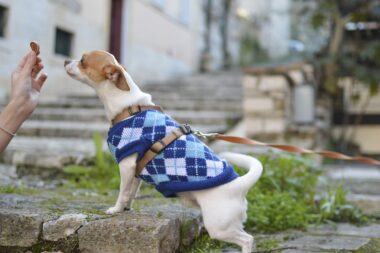
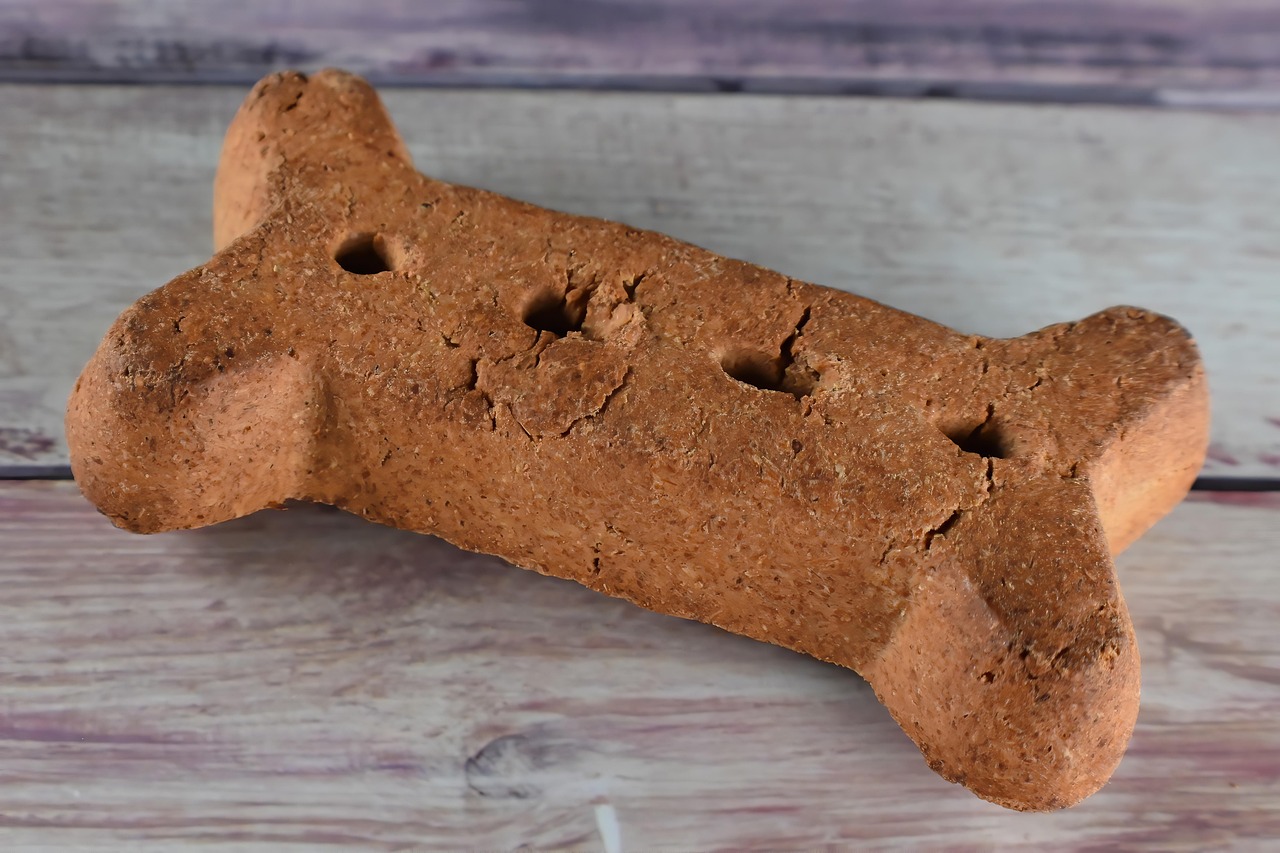
Clicker training is an effective method that uses positive reinforcement to teach dogs. Among the essential components, treats play a significant role in the success of this training approach. Proper use of treats can strengthen the bond between you and your dog. It’s essential to choose high-value treats that will truly motivate your pet. These can include small pieces of cooked chicken, cheese, or specially-made dog treats. It’s also important to ensure these treats are small enough to prevent your dog from becoming distracted. Additionally, the treat should be something your dog doesn’t receive often. Giving them during training emphasizes their value. When first starting clicker training, reward your dog immediately after they exhibit the desired behavior, ensuring they make the connection between the action and the reward. Timing is crucial—a delay can confuse them. The use of treats not only motivates but also engages your dog, keeping their focus on the training exercise. As your training progresses, you can gradually decrease the number of treats while increasing praise to maintain your dog’s interest and excitement during the training process.
Using treats effectively requires you to understand your dog’s needs and what excites them. This differentiates between effective reinforcement or weaker options. For example, if your dog is highly motivated by soft, squishy treats, prioritize them over harder ones. Observing your dog’s reactions to various treats can provide insight into their preferences. Once you’ve identified their favorite, make sure to always carry some with you during training sessions. Consistency is vital when using treats. Establish a training routine that incorporates reward timings appropriately after the clicker sounds. This repetition will teach your dog to associate the click sound with a treat. Over time, this builds anticipation for rewards when training begins. A good rule is to keep initial rewards plentiful, gradually lessening them as your dog learns more advanced tricks. However, it’s crucial to ensure that any reductions in treat usage still maintain your dog’s motivation. In instances where your dog becomes less responsive, reconsider your choice of treats or the training approach. Adaptability will help maintain the dynamic in your training sessions. Also, consider an option for tangible rewards like toys, which can add an exciting twist to your training practice.
Gradually Reducing Treat Usage
As your dog becomes more adept at following commands, you might consider slowly reducing the frequency of treat rewards. The objective of clicker training is not solely about food rewards; instead, it’s about cultivating a rewarding atmosphere. Therefore, combining treats with verbal praise and physical affection allows the transition to occur smoothly. This process aids in shaping your dog’s behavior while reaffirming the bond of trust between you. When you notice that your dog can properly follow its command, you can introduce random intermittent treats. This unpredictability keeps your dog engaged and focused because they will still hope for rewards. Furthermore, be sure to promote a variety of rewards, which can prevent your dog from becoming bored with their treats. Continue giving praise and attention every time your dog successfully performs a trick; this reinforces their learning. Testing different reward schedules might be a good tactic. Vary them from constant rewards for new commands to sporadic rewards for commands that your dog has completely mastered. This system establishes a clearer understanding of behavior expectations. This gradual transition maximizes the availability of treats while keeping your dog eager to engage actively during training sessions.
Another vital aspect of clicker training with treats is ensuring that they are part of a balanced diet for your dog. While treats are an effective training tool, your pet’s overall nutrition should not be compromised. It’s crucial to calculate how many calories your dog receives from treats and adjust their regular meals accordingly. This strategy can prevent unwanted weight gain and promote a healthier lifestyle. Always choose treats that are low in calories but appetizing enough to grab your dog’s attention. Also, when you select training treats, consider high-quality options made with real ingredients, as these can be more beneficial for your dog’s health. Your commitment to a balanced diet can drastically enhance your dog’s well-being. Moreover, utilizing healthy training treats during sessions adds a layer of quality care. Frequent use of high-quality treats during training can strengthen positive behavioral patterns much more effectively than cheaper alternatives. Before formal sessions, allow a five-minute period where you train your canine using small bites of their regular food to maintain their interest. This method ensures that your dog feels clever and accomplished at the end of the session without overreaching even if food rewards involve treats outside of training.
Understanding Timing in Clicker Training
Timing becomes crucial while providing treats. It dictates how well your dog associates their behavior with the timing of rewards. When using the clicker, click immediately when your dog performs the desired action, followed directly by a treat. This short window ensures your dog registers that they have done something right. To enhance this experience, maintain a calm demeanor and encouraging tone while you click and treat. If you miss the timing, cannot reward instantly, or instead wait for five seconds, your dog might not connect the actions correctly. This misalignment could lead to confusion and frustration during training. Additionally, don’t overwhelm your dog with treats; ensure that rewards feel like special moments. They should never receive treats for simple behaviors they perform every day, as this could reduce the impact of the rewards. Remaining consistent fosters a learning environment in which your dog will attentively follow your lead. Over time, clean rewards for proper behaviors can enhance bonding and training effectiveness, as both dog and owner learn better communication together at each session. Ensure you keep the total reward schedule balanced to retain enthusiasm.
Another common mistake is adjusting food portions during training inaccurately, leading to inconsistent results. If your dog receives a lot of food while medicating, it can throw the training process off balance. Furthermore, using distractions such as other dogs or loud noises can cause your dog to lose focus on the task. Being in a calm, controlled environment initially sets a precedent for learning. This undistracted setting helps both of you concentrate solely on the training exercises while practicing those good habits with treats. Gradually increase difficulty by introducing distractions only once your dog can follow commands during quiet sessions. Introducing distractions can also help solidify those command techniques across various environments. Moreover, keeping a journal during training can be an effective way to track your dog’s progress. Take note of behaviors learned, treats used, and how responsive your dog is to commands over time. Adjust your training sessions based on your observations for continuous improvements. Regular reflection will track your dog’s improvement, taking note of which methods yield the best results. Encourage patience for both yourself and your dog; mastering tricks may take time while navigating through distractions and rewards.
Conclusion and Future Steps
Using treats effectively is a powerful way to enhance your clicker training experience, helping your pet become well-behaved. The essential aspect is balancing the excitement created by treats with your dog’s health. Avoid overwhelming your dog with too many high-calorie snacks. Proper pacing alongside smaller, healthy rewards will sustain motivation while ensuring general health for those cherished pets. Also, evaluating your approach periodically can lead to positive adjustments as you see your dog’s learning curve improve. In addition to using treats, always remember the importance of building a strong relationship with your dog through varied interactions, like playtime and socialization. Enhancing your training strategies combines knowledge of rewards with communication styles that nurture a trusting, respectful bond. Consider joining local dog training classes to implement what you’ve learned. Working alongside other dog owners can provide additional support and increased accountability while expanding your knowledge base. Utilize social media platforms offering communities around dog training for even broader tips and advice. With consistency, patience, and effective use of training treats, you’ll achieve remarkable results. A well-trained dog not only brings joy but also contributes to a harmonious household.
In conclusion, proper treatment of your dog during clicker training positively influences behavior and strengthens rules. In fostering a secure training environment and utilizing treats mindfully, you are setting the stage for significant success. This kind of approach contributes to good habits and reinforces positive behavior throughout your dog’s life. By prioritizing rewards, understanding timing, maintaining the right diet, and gradually reducing treats encourages ongoing training success. The use of high-quality treats and praise strengthens the owner-dog bond, crucial for effective training sessions. As your sessions unfold, you discover the joy of watching your dog learn and thrive in their role as a beloved companion further. Adapting to their unique preferences helps refine ways to communicate your expectations. Over time, you’ll build confidence in executing commands, especially as they will experience varied environments and distractions. Seek additional recommendations from experienced trainers if you want to enhance the training experience further. The skills your dog will gain can make a significant difference in how they navigate life with commands they recognize. Continue exploring new strategies and techniques for mastering everything required for positive, vibrant behaviors through dedicated training practices.