
How Socialization Impacts a Dog’s Overall Well-being
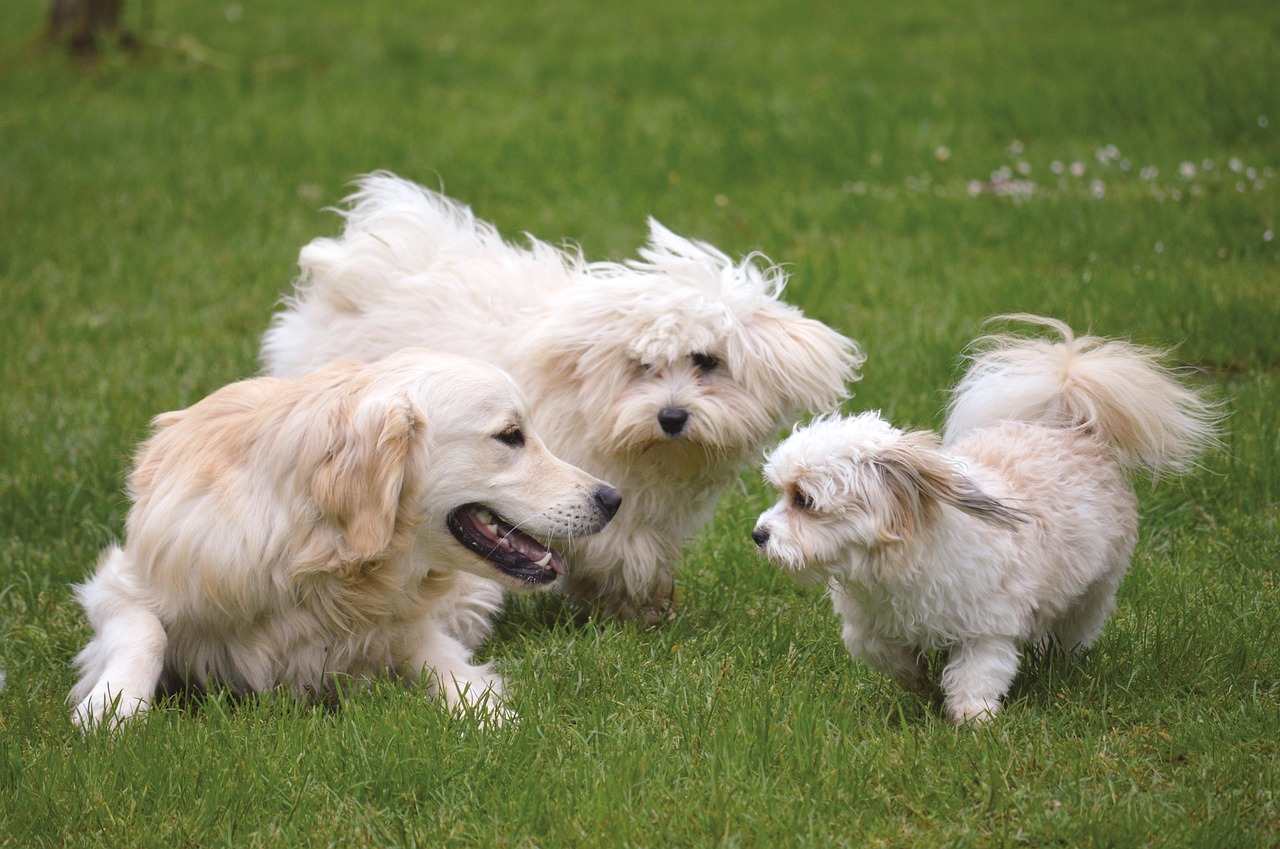
Dog socialization is the process that helps puppies and adult dogs develop essential skills for interacting with other animals and people. A well-socialized dog demonstrates positive behaviors, such as calmness, confidence, and the ability to adapt to various situations. Signs of good social behavior include a relaxed body posture, wagging tails, and playful interactions. Regular exposure to different environments, sounds, and stimuli is necessary to encourage appropriate responses in various situations. For a dog to thrive in a community setting, they must understand how to behave positively around new friends. Socialization helps reduce fear and aggression, making outings more enjoyable for both the dog and their owner. Engaging in controlled playdates with other dogs fosters healthy social skills. Pup parents should observe their pup’s behavior during these interactions to ensure safety and fun. It’s a good idea to enroll in training classes to help guide this process. By prioritizing proper socialization, owners can create a more balanced, happy canine companion, leading to a happier home environment overall. As a result, socialized dogs are less likely to exhibit anxiety in unfamiliar settings.
In addition to stress reduction, appropriate socialization contributes to a dog’s mental stimulation. When dogs engage positively with their environment and other creatures, they experience reduced boredom; this can also prevent unwanted behaviors like chewing or digging. A well-socialized dog generally experiences lower levels of anxiety, particularly in unfamiliar environments. Normalizing encounters with various people, pets, and sounds means that the dog is more likely to feel secure. One noteworthy sign of good social behavior is the dog’s eagerness to explore new surroundings without hesitation. Various training techniques can be implemented to assist in teaching these valuable life skills. For instance, obedience training reinforces commands while also allowing dogs to interact with others safely. Positive exposure to diverse situations prepares dogs for real-life scenarios, such as vet visits or public outings. Owners should use treats and praise as rewards during these experiences. Opportunities to socialize with dogs of different temperaments—calm and energetic—offer great lessons. Training is a continuous journey, but the benefits will be evident in a dog’s behavior and overall quality of life for all involved.
Key Signs of Good Social Behavior
Identifying signs of good social behavior in dogs can help owners understand their pup’s development. Dogs that exhibit appropriate social behavior often approach other animals and humans with enthusiasm, avoiding aggressive or fearful reactions. One clear indicator is friendly body language, characterized by a relaxed stance, wagging tails, and attentive ears. Playful engagement, such as bowing with their front legs lowered or initiating games of chase, indicates comfort and joy in social settings. Having good manners is crucial, meaning polite greetings without jumping or barking excessively. These dogs adapt quickly to new circumstances, remaining calm in chaotic environments. Interactions with children are also essential; if a dog can remain gentle and tolerant, it shows a high level of socialization. Furthermore, dogs that observe their owner’s cues, respond appropriately, and return to them when called are demonstrating secure social behavior. Socialized dogs respect personal space and can also manage boundaries. Training and exposure to diverse environments lay the groundwork for these crucial traits. Observing good social behavior means investing in their ability to navigate public spaces successfully, creating joyful experiences all around.
In addition to friendly interactions, successful dog socialization encourages a strong bond between the dog and their owner. When dogs can communicate effectively with humans and other pets, it fosters trust and mutual respect. For instance, a social dog displays affection towards its owner and seeks companionship. Socialization allows the dog to develop their unique personality while learning appropriate responses to various stimuli. One sign of good social behavior is how well dogs engage in group settings, such as parks or events. They should be able to play harmoniously with others while also accepting their restrictions. Play behavior, such as offering their toys to other dogs or engaging in friendly wrestling, signifies healthy social development. To ensure continued positive experiences, expose your dog to different types of places, such as markets or busy streets, helping them become well-rounded individuals. Owners should be actively involved in encouraging these experiences while providing safety and guidance. Regular meetups, walks, and visits to dog-friendly venues facilitate growth and confidence. Ultimately, socialization enriches the dog’s and the owner’s life, leading to a stronger bond and a happier household.
The Importance of Consistency
Consistency during the socialization process is vital. Dogs thrive on structured routines and a clear understanding of acceptable behavior. Owners should set aside time daily for training sessions and social interactions, gradually introducing new environments and experiences. A lack of consistency can lead to confusion and anxiety for the dog, hindering their social development. Being patient and observing the dog’s reactions during socialization can yield insight into their comfort levels. Positive reinforcement, through treats and praise, strengthens good behavior, encouraging dogs to repeat these behaviors. Ensure that social interactions occur regularly, although adaptability to their pace is equally important. This balanced approach creates well-adjusted dogs capable of navigating various social scenarios. Among signs of good socialization is the ability to remain calm, alert, and friendly when encountering distractions. By maintaining a positive atmosphere, owners cultivate an enjoyable experience for everyone involved. Continuous education about dog behavior allows growers to amend their practices accordingly. Offering a wide range of experiences facilitates skillful social engagement and outgoing personalities. Ultimately, quality socialization hinges on the owner’s ability to commit to constant nurturing and training.
Moreover, dog socialization profoundly affects overall well-being, reducing stress-related issues and behavioral problems. Dogs that have solid social skills tend to maintain good health, while agility and adaptability often thrive in varied circumstances. This adaptability contributes to mental health and emotional stability. Stress in dogs can manifest as destructive behavior or withdrawal; thus, promoting sociability aids in mitigating these effects. Active socialization sessions bolster the dog’s confidence, contributing to a happier demeanor at home. Additionally, proper introductions to new situations ensure that a dog feels prepared and secure. This proactive approach leads to strong mental resilience in unfamiliar surroundings. As a result of enhanced well-being, reduced anxiety, and happier demeanor, not only do socialized canines enjoy healthy relationships with their humans, but they also tend to engage positively with other pets. Behavioral issues can often stem from isolation or lack of interaction with different stimuli in their environment. Addressing these problems early through effective socialization reduces unnecessary challenges, leading to a more fulfilling and stable life for the pet and their family. Also, consistent socialization contributes to the dog’s enhanced long-lasting happiness.
Fostering Good Socialization Skills
To promote healthy social behavior, owners can utilize various techniques designed to encourage positive interactions. Starting with puppy classes introduces essential commands while allowing for safe social exposure with peers. Structured environments provide opportunities for puppies to learn how to play and engage with others respectfully. Utilizing positive reinforcement methods establishes a foundation for desired behaviors. Enrichment activities, such as agility courses or personality workshops, shift socialization from routine to engaging, rewarding experiences. Developing relationships with local dog trainers for ongoing education and support fosters a safe training environment. Additionally, owners are encouraged to create opportunities for group playdates or dog meetups, where trained professionals can supervise accordingly. While monitoring the dogs, owners should also join in the fun, promoting trust in their pet’s ability to socialize effectively. Witnessing good interactions builds confidence that their dog can adapt to more extensive social networks and unfamiliar circumstances. Engaging in community events with their canine companions provides a fantastic platform for bonding and growth. The dedication to fostering good social behaviors creates well-rounded canine companions capable of adapting confidently to new challenges.
In conclusion, effective dog socialization is multifaceted, encompassing various elements that lead to positive social behaviors and overall well-being. The importance of early and continuous exposure to different people, pets, and experiences cannot be overstated. By fostering interactions that promote good manners, owners set the stage for lifelong habits that benefit both dog and human. Observing successful signs of social behavior can help owners gauge their pup’s development while providing insight into areas requiring improvement. Continuous dedication to consistency, encounter monitoring, and engagement empowers owners to nurture their dogs effectively. Taking the time to evaluate the social skills of one’s dog ensures a safe and enjoyable experience for everyone involved. With positive behaviors, owners will notice a more relaxed and affectionate dog who thrives in their environment. Socialized dogs lead to a more peaceful coexistence, contributing to a harmonious household. With guidance, patience, and time, pet owners can facilitate their dog’s path to confidence and adaptability. Ultimately, investing in proper dog socialization yields immeasurable benefits for both the pets and their families over time. The journey of socialization signifies love, commitment, and understanding.