
How to Monitor Your Dog’s Weight at Home
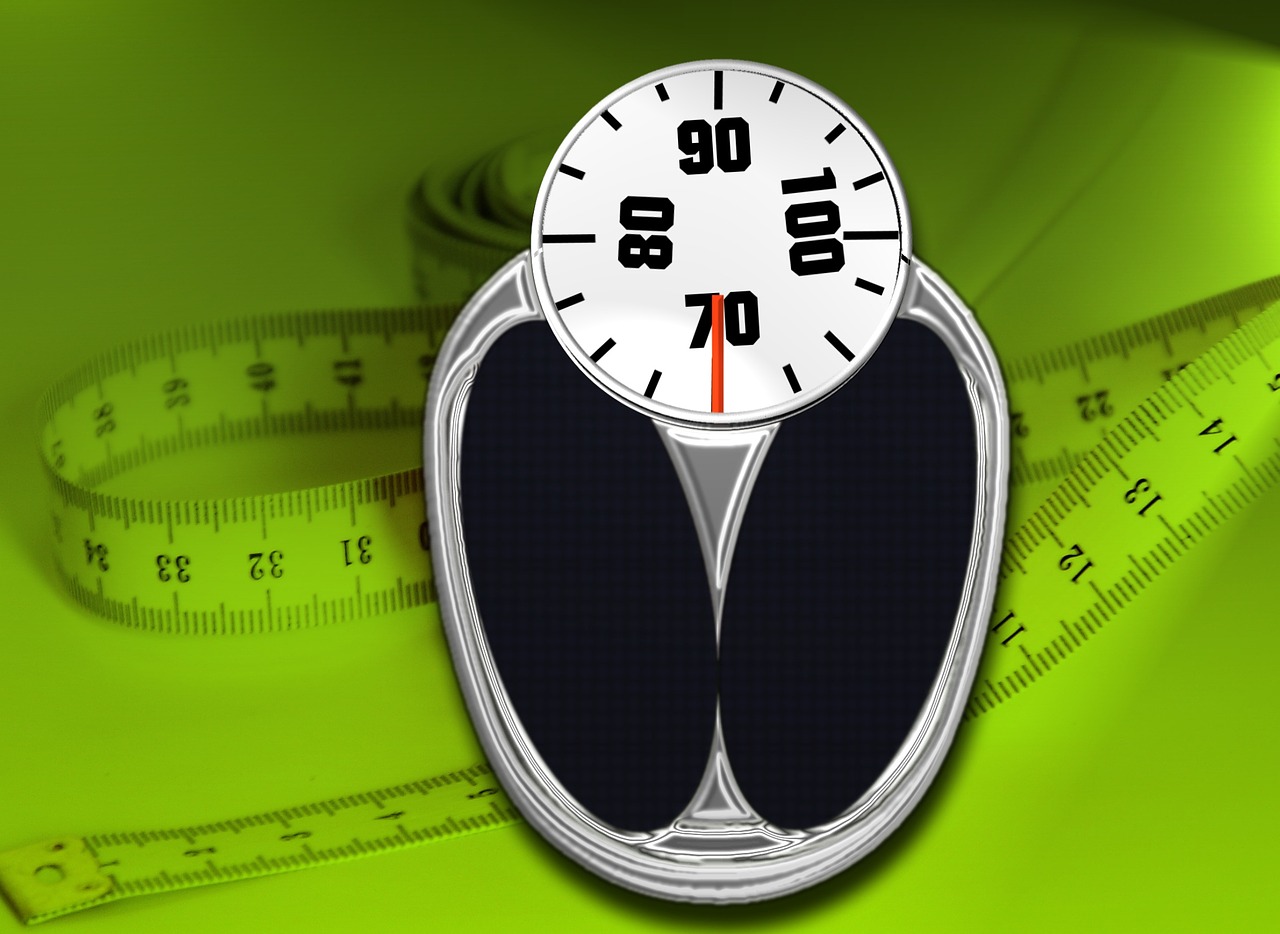
Monitoring your dog’s weight at home is essential for maintaining their overall health. One effective method involves using a reliable scale specifically designed for pets. When measuring your dog’s weight, ensure they are standing flat and stable on the scale. It’s best to weigh them at the same time each week or month to have a consistent record. Note down the figures to track any fluctuations over time. If you do not have access to a pet scale, another way to assess your dog’s weight is by observing their body condition score. This system rates the dog on a scale of 1 to 9, where 1 is extremely thin and 9 is very obese. By palpating the dog’s ribs and checking the waist, you can estimate their appropriate weight range. Consult with your veterinarian to establish a healthy weight goal for your specific breed and age. Maintaining a weight chart that includes ideal weight for your dog can help in consistently checking their health and well-being. Regular monitoring helps identify any necessary dietary or exercise changes promptly.
Adjusting portions in your dog’s diet is another proactive strategy. If your dog is gaining too much weight, consider reducing their food portions gradually. However, avoid sudden changes in diet, as this can cause digestive upset. Instead, consult with a veterinarian for recommendations on nutrition and dietary requirements. It’s also crucial to assess the quality of your dog’s food. Look for high-quality ingredients, and ideally, the food should match your dog’s life stage and any specific health needs. Regular exercise is equally important in weight management. If you can, engage your dog in activities that promote both physical and mental stimulation. Daily walks, playing fetch, or interactive toys can keep them active while also providing them with social interaction. Additionally, keeping a diary of your dog’s exercise regimen can help you maintain consistency. Monitor any changes in how your dog responds to exercise or their desire to play. Encourage your dog consistently; this positive reinforcement can motivate them to stay active. Outings to dog parks can also provide a fantastic opportunity for play and exercise among other dogs.
Understanding Dog Breeds and Weight Management
Different dog breeds have varying tendencies toward weight gain and obesity. Therefore, understanding your particular breed’s requirements is vital. For example, some breeds are genetically predisposed to be heavier, while others maintain a leaner physique naturally. Researching your dog’s breed will help you align their food intake and exercise regime with their physical capabilities. In general, smaller breeds may require several small meals throughout the day instead of one or two large ones to manage their energy levels and hydration. Establish a feeding schedule and stick to it as much as possible to help regulate their appetite. Likewise, large breeds might benefit from fewer, larger meals spaced adequately apart to prevent bloating. Regular checkups with your veterinarian are critical, especially for breeds susceptible to obesity-related problems. Your vet can offer personalized insights and recommendations on your dog’s weight, tailored to their breed, size, and lifestyle. Remember, certain health conditions may also influence your dog’s weight, leading to further underlying needs for management.
Another effective way to monitor your dog’s weight is through visual assessments. You can assess your dog’s appearance regularly. By noticing physical changes, you can get an idea of whether they are maintaining a healthy weight. Check their waist and observe whether there is an obvious belly sag, as this can signify excess weight. When looking down at your dog from above, you should see an hourglass figure; this indicates they are at an ideal weight. Feel around their ribs; you should be able to feel them without excess fat covering. If these checks reveal that your dog is losing or gaining weight unexpectedly, it may signal an underlying health issue. In such cases, consult with a veterinarian as soon as possible. Keeping photos of your dog at regular intervals can assist in visually tracking their weight over time as well. Documenting your observations, including their activity levels and appetite, can provide a comprehensive view of their overall health. This information is invaluable during vet visits and can lead to more proactive weight management strategies.
Creating a Structured Feeding Plan
A structured feeding plan plays a significant role in weight management for dogs. Create specific meal times and adhere to them consistently. This helps prevent overfeeding and reduces begging behaviors that could lead to unhealthy snacking between meals. Measuring out your dog’s food can help ensure they receive the right portions, leading to informed choices about their diet. Use a measuring cup to give accurate portions, and consider using a food puzzle to keep your dog engaged during meal times. Additionally, be cautious of extra treats throughout the day; these can easily add up in calories and contribute to weight gain. Choose healthy, low-calorie treats, or consider using part of their daily food allowance as treats during training sessions. When rewards are necessary, ensure they align with your weight goals. If you want to switch to a new brand or diet, do so gradually over several days to minimize gastrointestinal upset. Monitoring your dog’s body language can also provide insight into whether they find their feeding plan satisfying or hunger is still an issue, which can guide future adjustments.
Understanding the emotional factors related to food is another important aspect of weight management. Many dog owners unwittingly reinforce obesity through affection given in relation to food. Dogs can start associating food with love, leading to begging behavior or eating out of boredom. Instead of treating your dog with food, consider offering praise, playtime, or cuddles as rewards. Engage with your dog in more interactive activities that provide stimulation without relying on snacks. If you notice your dog exhibiting signs of boredom or inactivity, try to introduce more engaging toys or frequent walks to keep them stimulated. It’s also important to be consistent in your actions. A sudden shift from allowing table scraps to strict feeding rules can create confusion and frustration. Create boundaries while remaining firm but gentle in your approach. Having regular training sessions can be excellent for reinforcing positive behavior as well as providing invaluable socialization. Importantly, positivity in your weight management journey should foster a healthier relationship with food for both you and your dog.
Conclusion on Weight Management
In conclusion, managing your dog’s weight at home requires regular monitoring, structured feeding, and an understanding of environmental influences. By implementing systematic checks and establishing clear feeding guidelines, you can ensure your dog stays healthy and active. Consistency is crucial in weight management, and adhering to a specific plan can yield positive results. Regular veterinary check-ups are indispensable as well, offering professional insights and advice tailored to your dog’s specific needs. Engage your dog with plenty of exercise, interactive play, and mental stimulation, ensuring that they remain active. Remember that weight management is not merely about restricting food but also about nurturing your dog’s well-being and happiness. Look for opportunities to include them in your daily activities. Good practices develop healthy habits for both pets and owners alike. If at any point you notice drastic changes in your dog’s weight or behavior, don’t hesitate to consult your veterinarian. Establish a supportive environment that emphasizes overall health, happiness, and vitality, thus providing your dog with the best quality of life possible.
This final paragraph offers a summary. Always prioritize your dog’s health through consistent management of their weight. Providing them with an active lifestyle, proper nutrition, and lots of love will set a strong foundation. The process is rewarding when you observe the positive health benefits that come from your diligent efforts. Spark joy by engaging with them in fun and manageable activities, which helps form a solid bond. Stay informed by reading articles and participating in communities focused on dog health, gaining varied perspectives on the topic. Seek advice from veterinarians about the latest recommendations for keeping your pet fit and healthy. Having access to the right tools and equipment to monitor their weight at home can contribute to their overall quality of life. Recognize that weight management is a continuous effort that evolves with age, health changes, and individual dog needs. Slash unnecessary snacks and unhealthy foodstuffs while always maintaining a positive reinforcement approach. Consider these tips a continual learning process, and remember that you are your dog’s advocate in their health journey.