
How to Use Your Dog’s Facial Expressions to Strengthen Your Bond
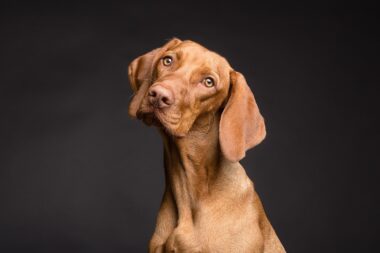
Understanding your dog’s facial expressions is crucial for fostering a strong relationship with them. Dogs communicate their feelings and intentions through body language, including their facial features. By paying close attention to these nuances, you can better respond to your pet’s needs and emotions. Observing how they raise their eyebrows, tilt their heads, or show their teeth can offer insights into what they might be feeling. Did you know dogs can express happiness, anxiety, and even stress through their expressions? Such observations give context to how they feel, allowing you to adjust interactions accordingly. It’s essential to take time each day to observe these signals. For instance, an alert dog with perked ears indicates curiosity or alertness, while a relaxed face with a slightly open mouth suggests comfort and happiness. By recognizing these emotional cues, you can bond more deeply with your dog, ensuring they feel safe and understood within their home environment. Together, enhancing this understanding can greatly improve communication, thereby strengthening your bond with your beloved canine companion. Remember, communication is a two-way street, and your engagement is vital.
Recognizing Joyful Expressions
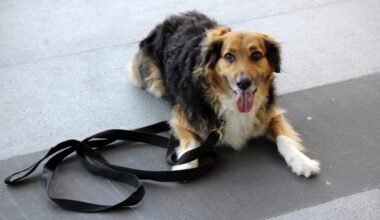
Dogs exhibit happiness through distinct facial expressions that pet owners should learn to recognize. A Wagging tail, for instance, is a common sign of joy, but it’s important to note how the dog’s face reflects this feeling. When your dog approaches you with bright eyes, relaxed ears, and a wide-open mouth, these are all signs of joy and contentment. Observing your dog’s body language in conjunction with facial expressions provides a fuller picture of their emotional state. For instance, a soft, relaxed expression combined with a wagging tail signifies joy, while a tense face may indicate anxiety or displeasure. Engaging in fun activities such as playtime or walks can enhance joyful expressions even more. Make it a habit to reward your dog with praise or treats when they express happiness, strengthening your bond through positive reinforcement. Recognizing and responding to joyful expressions will encourage your pet to be more expressive, deepening mutual trust and affection. Additionally, sharing joyful moments enhances the experiences you both forge, creating lasting memories together while understanding their unique personality and emotions more deeply.
Calming signals are essential for understanding feelings of peace in your dog. When your dog emits calm and relaxed facial expressions, they indicate a lack of stress. These signs often include soft eyes, relaxed ears, and a gentle, open mouth. Recognizing these calming signals can help improve interactions between you and your dog. It’s invaluable to observe your dog in different environments; how they express calmness at home may differ from being in public or around new visitors. This understanding helps reduce confusion in stressful situations. Additionally, adopting practices that promote calmness, like gentle petting or soothing words, will encourage these peaceful expressions. When your dog feels calm, they are likely to form stronger emotional connections with you. Also, spending quality time together in serene environments can strengthen this bond. Techniques like yoga or meditation may also cultivate tranquility in the space you share. Creating a safe and peaceful atmosphere will nurture their relaxed state and enhance your understanding of their emotional needs. Consequently, frequent recognition of these signals will improve your overall communication with your dog.
Identifying Signs of Stress
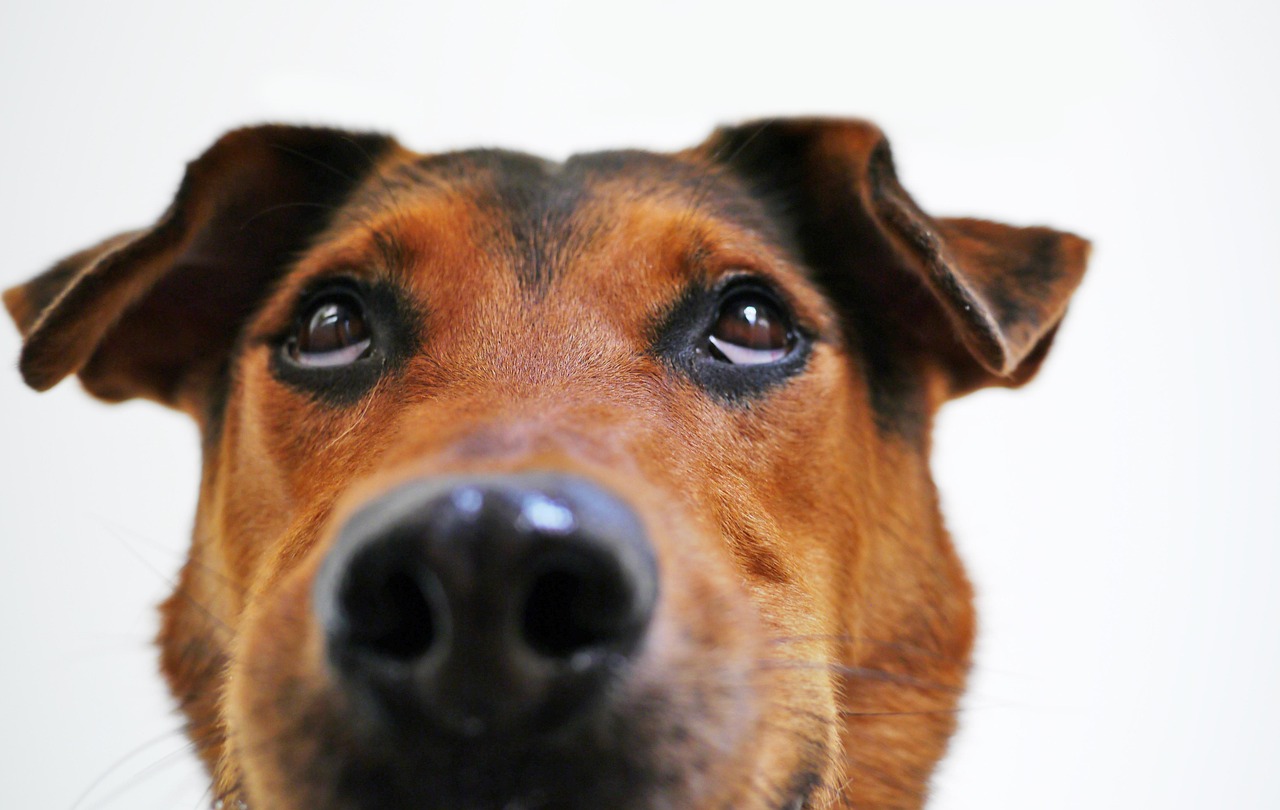
Understanding your dog’s facial expressions can also help you identify signs of stress. When dogs are anxious or fearful, their face can display various stress signals that you should observe closely. These signals may include tightly closed eyes, a wrinkled forehead, or pinned-back ears. Recognizing these signs early can prevent potential behavioral issues, allowing you to intervene effectively. Among other stress indicators, an anxious dog may turn their head away, yawn excessively, or even tuck their tail between their legs. Each of these behaviors signifies unease, and it is crucial to respond appropriately. To support your dog during these moments, offer reassurance and a calm presence. You might also consider redirecting their attention with toys or engaging them in an enjoyable activity. Establishing a stress-free environment at home will encourage relaxation and improve your dog’s ability to express themselves. Create spaces where they can retreat when feeling overwhelmed. Soft bedding, quiet corners, and comforting scents can contribute to their overall sensitivity to emotions. Ultimately, alleviating stress fosters trust in your relationship.
Facial expressions are just one part of canine communication, as it’s essential to pair them with body language to fully understand your dog’s feelings. By observing how their expressions coincide with their posture and movements, you’ll gain a deeper insight into their emotional state. For example, a dog jumping excitedly with a wide-open mouth and wagging tail is clearly displaying joy. Conversely, a dog that appears tense or cowered may indicate discomfort or fear. Should you notice any changes in their expressions or body language, it could be a sign they’re experiencing stress or pain. Regularly engaging with your dog will create a trustful environment where they will feel secure expressing themselves. Positive interactions, including training sessions or play, will strengthen your bond and improve communication. Building on this trust will encourage them to be more expressive, providing you with valuable insights into their needs and emotions. Remember, a well-adjusted dog is one that feels heard and understood. So make sure to take the time to decode their silent language, deepening the emotional connection you share.
Emphasizing Positive Interactions
Fostering a strong bond with your dog requires emphasizing positive interactions that encourage expressive communications. Positive reinforcement is crucial when it comes to canine relationships. By using treats, praise, and playtime, you will effectively encourage your dog to express their feelings through their facial expressions. For instance, when your pet greets you with a happy expression after you come home, reward them with a treat or praise to reinforce that behavior. The cycle of positive feedback builds trust, ultimately enhancing communication between you and your dog. Additionally, scheduling quality time spent together can further develop this bond. Activities such as puzzle toys, fetch games, or training sessions invite enthusiasm, which can lead to joyful expressions. Participate in fun and engaging activities that stimulate their mind and body. This not only showcases their happiness but also enhances mutual understanding. Develop routines that include consistent training and play, as this nurtures predictability, fostering a secure and safe environment. Strengthening your bond through these positive experiences will ultimately lead to a greater understanding of your dog’s needs and desires.
Understanding canine facial expressions is an ongoing process, one that requires patience and a keen eye. While every dog is unique, consistent observation will help you decode their individual expressions over time. Take moments throughout your day to engage with your dog and watch for subtle changes in their expressions. Tracking these changes will allow you to grow with your pet and adjust your interactions as necessary. Remember that facial expressions should be considered alongside body language and contextual situations. Monitoring how your dog feels in various environments will further guide your understanding. Assess your own role in their emotional state; the energy you project profoundly affects their feelings. The more emotionally in tune you become with your dog, the better equipped you will be to provide comfort and security. Such adjustments will create a more balanced home life, as you will be fine-tuning the communication between you. Furthermore, continuous learning about your dog will deepen your bond, making it a rewarding journey. Establishing this awareness fosters a loving and trustworthy relationship, ensuring your dog feels valued and understood.
Conclusion
Building a strong bond with your dog through understanding their facial expressions involves observation, interactions, and time. Recognizing and responding to their cues will create a trusting atmosphere, enriching both lives. When dogs feel understood, they are more likely to express their emotions openly. Hence, becoming attuned to their facial expressions creates pathways for deeper emotional connections. Enhancing communication will also improve your ability to address their needs, making it vital for their wellbeing. Your journey together will be filled with joy, exploration, and learning. As you learn to read their expressions, focus on reinforcing positive behaviors while providing reassurance during stressful moments. Ultimately, consistently nurturing your relationship through positive interactions will lead to a fulfilling bond. Celebrate the unique personalities that our canine companions bring, as they enrich our lives in countless ways. Make time regularly to engage with your pet, solidifying your connection through consistent communication and understanding. Share joyful activities and allow your dog the space to express themselves freely, creating an inviting atmosphere. Through this effort, you will experience a fulfilling relationship that lasts a lifetime.