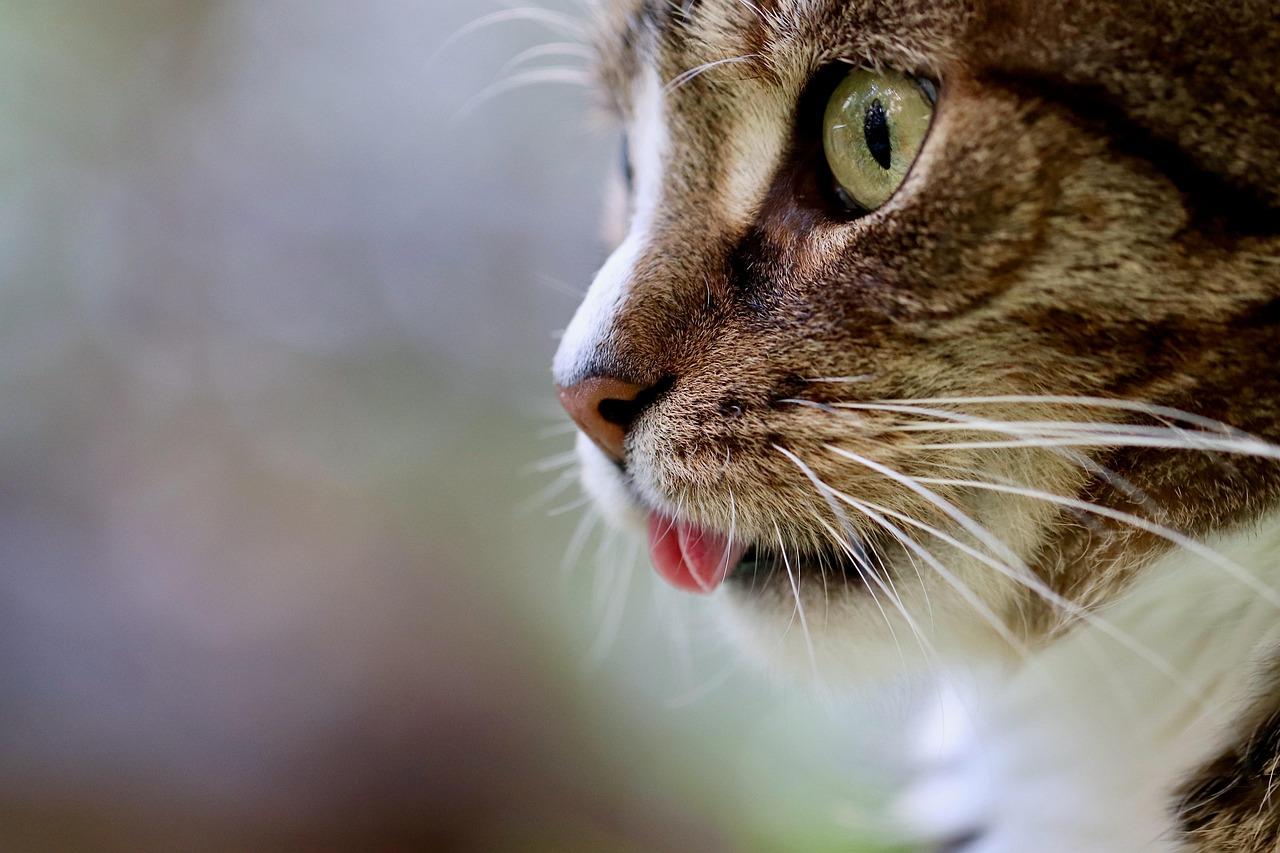

The Influence of Breed on Cat Social Interactions
Cats exhibit a striking variety of behaviors that are inherently linked to their breed. Some breeds, such as Siamese and Abyssinian, are known for their social nature, while others, like the Maine Coon, tend to be more independent. The distinction in behavior can significantly affect how these cats interact with one another and with humans. Research indicates that the genetics of a cat breed can shape its temperament, thus influencing its social hierarchy within multi-cat households. Understanding the direct correlation between the breed and its social interaction is vital for potential cat owners. Various factors contribute to these behaviors, including socialization during kittenhood, genetics, and environmental influences. Consequently, a cat’s breed not only determines its physical characteristics but also its personality traits, which can dictate how it assimilates into social groupings. Breeds that thrive on companionship may establish strong bonds quickly, while solitary breeds may prefer limited interaction. This blend of genetic predisposition and individual personality showcases the intricacies of cat behavior, making it fascinating and complex.
Within the realm of cat behavior, social hierarchies emerge as a compelling topic of discussion. Each breed applies different social strategies in forming relationships with fellow felines. For instance, more sociable breeds like Ragdolls comfortably find themselves in a leadership role, often guiding the dynamics of the group. Conversely, breeds like the Scottish Fold may play a more passive role in social settings, preferring to observe rather than engage. This passive behavior can influence both the structure and function of the cat community. The social hierarchy has significant implications, notably in multi-cat households, where conflicts could arise over territory and resources. When owners understand these dynamics, they can facilitate better coexistence among various breeds through strategic placement of resources like food and litter boxes. Moreover, introducing new cats into a household requires careful consideration of breed expectations and behaviors. As such, observing how each breed interacts helps cat owners create a harmonious living environment. Proper introductions coupled with awareness of each breed’s characteristics enhance socio-familial relationships among cats, promoting a peaceful cohabitation experience.
Assessing Social Interaction Based on Breed
Assessing social interactions among different breeds can unveil striking behavioral patterns. Various studies indicate that some breeds have an innate predisposition towards friendliness and social interaction as a result of selective breeding. For example, the sociable nature of the Burmese cat significantly enhances interpersonal relationships among cats. In contrast, breeds like the Persian tend to be more aloof and prefer solitary activities. This dichotomy influences how they communicate, play, and establish hierarchies in a multi-cat household. Social breeds may engage in grooming behaviors, indicating affection and nurturing roles, whereas solitary breeds may express their individuality through vocalizations and territorial marks. Observing interactive behaviors can serve as a guideline for prospective pet owners to pair compatible breeds effectively. Likewise, fostering social interactions can mitigate behavioral issues stemming from loneliness or anxiety in breeds that naturally thrive in isolation. Therefore, recognizing the breed’s social instincts enables owners to create tailored socialization strategies for their cats, fostering a more fulfilled life and reducing stress-induced behaviors.
Understanding the relationship between breed and social behavior helps in addressing common behavioral issues. Owners of multi-cat households often struggle with territory disputes or aggression rooted in social reliance on a breed’s innate traits. Recognizing that Bengal cats, for example, are highly energetic and require playmates to mitigate their sociability needs assists owners in crafting environments conducive to well-being. Moreover, breeds that demand less social interaction might exhibit signs of stress when forced into unwanted social settings. This knowledge helps avoid conflicts during interactions and emphasizes the importance of individualized social needs. Socially adept breeds often serve essential roles in facilitating harmonious relationships by engaging less assertive breeds in interaction games, thus encouraging bonding. In this sense, social satisfaction serves as a foundation for balanced behavior among cats. Owners can employ techniques such as supervised playdates and gradual introductions to improve their cats’ social experiences. Moreover, seeking guidance from feline behaviorists can be invaluable, particularly in understanding how to approach these social dynamics, ensuring a happier coexistence among diverse breeds.
Importance of Socialization in Kittens
The importance of socialization during the kitten stage cannot be overstated. Kittens have a sensitive socialization window that greatly influences their future behavior as adults. Those from breeds known for their sociability benefit immensely from early exposure to different people, environments, and other cats. This early exposure fosters a form of confidence and adaptability, critical for positive social interactions later in life. Conversely, poorly socialized kittens, regardless of breed, may grow into fearful or overly aggressive adults, struggling to navigate feline social dynamics. Hence, responsible breeders and cat owners should prioritize socialization efforts within the first few weeks of a kitten’s life. Activities could include introducing them to various sounds, shapes, and familiar faces, enhancing their ability to adjust to future interactions. Engaging in play with their littermates teaches essential skills like bite inhibition, body language, and conflict resolution. The earlier and more consistent these interactions are, the better the future social behaviors they will exhibit. Thus, the foundation for an adaptive, engaging, and well-rounded adult cat begins with robust socialization during kittenhood.
As cats mature, their breed-specific tendencies can influence how they interact with humans and each other. Some breeds, like the playful Abyssinian, maintain a desire for socialization well into adulthood, seeking to engage with both people and fellow felines. In contrast, breeds such as the Chartreux may seek companionship in a more subdued manner. Understanding these differences offers cat owners insights into the kinds of environments suited for their pets. Breeds that exhibit sociable behavior often thrive in environments that encourage exploration and engagement. They may require interactive toys or playmates to prevent boredom and anxiety levels from rising. On the other hand, more solitary breeds may prosper with ample vertical spaces and hiding spots to retreat, allowing for personal sanctuary. This awareness of their preferences promotes enriched experiences that foster healthy behaviors. Thus, recognizing the cues and needs of each breed contributes to a more fulfilling lifestyle. Enhanced awareness shapes how owners manage their cats’ environments and relationships, often leading to happier and healthier feline companions in the home.
Conclusion: Embracing Breed-Specific Characteristics
To summarize, the influence of breed on cat social interactions emphasizes the significance of understanding feline behavior. Owners are encouraged to recognize and embrace these breed-specific characteristics, as they can directly affect harmony within multi-cat households. Factors such as social needs, inclination to interact, and environmental preferences can significantly influence a cat’s behavior and social experiences. By choosing breeds with similar sociability traits and understanding each cat’s individual personality, owners can establish constructive environments that promote positive interactions. Each breed brings unique qualities to the social fabric of a household. Hence, creating opportunities for engagement and connection fosters a better understanding and strong bond between cats and their owners. Moreover, leveraging this knowledge can help prevent behavioral issues, as well as enhance the quality of life of both the cats and their owners. For those considering adopting a cat, investing time to understand breed behaviors and preferences ensures a fulfilling experience. Acknowledge not just the physical traits of these majestic animals but their emotional and social needs as well. This holistic approach will foster lasting relationships and joyous cohabitation.