
How to Monitor and Adapt Your Service Dog’s Socialization Process
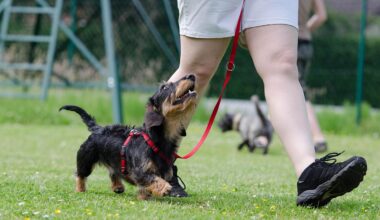
Socialization is a crucial aspect of training for service dogs. It ensures they can interact appropriately with various people, environments, and situations. To effectively monitor your dog’s progress, observe their behavior in different social settings. Look for signs of anxiety, fear, or aggression as these can indicate areas needing adjustment. Each interaction should be a learning experience, and positive reinforcement is key. This means rewarding your service dog for good behavior when they successfully engage with people or other animals. Make use of treats, praise, and playtime to reinforce desired behaviors. Additionally, consider enrolling your service dog in socialization classes or group training sessions. These settings provide controlled environments where your dog can learn to navigate social dynamics. Regularly assess your dog’s comfort levels; if they appear overwhelmed, slow the process down. Gradually increase exposure to new experiences and limit interactions to foster confidence. Document your observations in a log to identify patterns and tailor training approaches. This thoughtful approach ensures your service dog becomes a well-adjusted and reliable partner, ultimately enhancing their ability to fulfill their role and serve you effectively.
Within the socialization process, it’s vital to focus on diverse environments and situations. Expose your service dog to different local settings, such as parks, grocery stores, and public transport. This variation will help them learn how to remain calm and collected in various scenarios. While on these outings, guide them gently, allowing them to take in the new sights and sounds. Begin with quieter locations to build their confidence and then gradually move to busier areas as they become more comfortable. Remember, the key is to monitor their response throughout this experience. Enjoyment and curiosity should replace fear and anxiety. If they demonstrate signs of distress, such as barking or attempting to flee, immediately remove them from the situation and try again later. You can also involve friends or family to help practice social interactions in a controlled manner. This interaction can foster trust and teach your service dog how to respond appropriately. Remember that socialization is not a one-time event; it is an ongoing process that evolves as your service dog’s skills grow. Regular practice helps solidify their ability to navigate various situations with ease and confidence.
Building Positive Associations
Another fundamental component is creating positive associations with various social contexts. Think about how to associate positive outcomes with every interaction. Start by introducing your service dog to friendly, calm individuals and other dogs. Encourage these encounters by offering your service dog treats or affection while they are behaving well. You should reward them when they exhibit calm behavior around new people. As they gain confidence and learn to associate positive moments with social situations, expand their exposure to different types of people, such as those in uniforms, children, or individuals with disabilities. You can keep track of their reactions to each new experience, as this will help identify any potential triggers to modify training strategies accordingly. The more pleasant experiences they have, the more securely they’ll react in unfamiliar situations. Prepare your service dog for unexpected circumstances by simulating or preparing for potential social challenges. Over time, these experiences enrich their social skills while reinforcing their service dog training, ultimately ensuring they can effectively assist you in all types of environments, enhancing their utility.
Utilize consistent training techniques during socialization to reinforce good behavior. Positive reinforcement should be at the core of your dog’s training program. Consistency in commands and rewards will help your service dog grasp expectations better. Be clear and straightforward with your expectations when exposing your service dog to various social situations. Practice commands like “sit,” “stay,” or “leave it” regularly to ensure they remain responsive. This foundational training is especially essential during social interactions, ensuring your dog understands how to behave appropriately. Remain calm and assertive during training, as dogs often mirror their owner’s emotions. Your attitude can influence their comfort and behavior. If you sense that your dog is becoming anxious, take a moment to calm them down before reiterating commands or expectations. Learn to read their body language; their posture and tail movements can inform you of their feelings, letting you know how to proceed. For instance, a wagging tail usually indicates excitement, while cowering signals fear. By being attuned to their needs, you will foster an environment that encourages growth and confident behavior, ultimately enhancing the bond you share with your service dog.
Tracking Progress Consistently
Tracking your service dog’s socialization progress is critical. Keeping a structured record can help you understand what’s working and what areas need additional focus. Outline essential parameters such as the types of situations encountered, reactions, duration of activities, and specific outcomes. Use a journal or a digital app designed for tracking dog behavior. This log will serve as a vital resource, enabling pattern recognition over time. For example, if you notice that visits to certain locations produce anxiety, you can tailor your approach accordingly. Include notes on the effectiveness of various training techniques you employed during socialization. Did certain treats or praise techniques yield a stronger response? This information will assist you in refining training methods that best suit your service dog’s needs. You can also share this log with professional trainers if you decide to enlist their expertise. Moreover, scheduling regular check-ins every few months for reassessment can help you adjust socialization strategies effectively. Regular tracking ensures that your service dog has the best chance to develop healthy social behaviors that contribute positively to their effectiveness in their guiding role.
Socializing your service dog is not just about exposure; it is whether they can relax and adapt to different stimuli. Creating a calm atmosphere during training sessions is essential, as this helps your service dog feel secure. Irrespective of the training environment, use calming techniques such as soothing voice tones, slow movements, and gentle petting to reassure your dog. Whenever you introduce your dog to new experiences, maintain a steady demeanor. If you exhibit anxiety, your service dog might sense it and become anxious as well. Make sure your training sessions have defined starts and ends to instill structure and predictability. Initially, engage in brief training sessions and gradually extend their duration as your dog becomes more comfortable. Incorporate playtime for relaxation in between sessions, rewarding them with games or their favorite toys. Furthermore, ensure they have downtime to process their experiences. Create a cozy space where your service dog can withdraw when they require solitude. This approach helps foster resilience and allows your dog to recuperate mentally. Keep in mind that socialization should be enjoyable, allowing your service dog to thrive and support you effectively.
Preparing for Real-World Challenges
As your service dog becomes more socialized, focus on preparing them for real-world challenges that may affect their performance. Simulate challenging environments so they can practice appropriate responses. For instance, consider arranging mock outings that include distractions like loud noises or sudden movements. This exposure will help your service dog learn how to remain focused in naturally chaotic situations. Ensure you reward them for maintaining composure during these simulated challenges, reinforcing their training in a safe manner. Introduce them to triggers slowly, allowing them to acclimate at their own pace. This gradual exposure helps your service dog develop coping mechanisms to deal with real-world distractions. You might also organize controlled group sessions where your service dog can interact with people in busy environments. These sessions will help build confidence over time, exposing them to a variety of learning opportunities. Collaborate with trainers who specialize in real-world exposure as these experts can provide valuable insights into how to better prepare your dog for challenging environments. Such preparation is crucial for their success and assures their ongoing confidence in performing their essential responsibilities.
Consistent communication between you and your service dog is a significant factor that contributes to successful socialization. Develop a strong bond through trust and understanding. This strong relationship is vital, enabling your service dog to become more responsive to your commands. Spend quality time nurturing your bond outside socialization exercises. Engage in activities that your service dog enjoys, such as playing fetch or going for walks. These shared experiences not only reinforce positive feelings but also enhance your communication. Use simple, effective verbal cues and consistent body language during training sessions. If your dog begins to show hesitation, gently reassure them using their name or calming phrases. Being patient is key; socialization takes time and perseverance. Refrain from raising your voice or showing frustration, as this will only lead to negative associations. Frequent, clear communication on what you expect ensures your dog can successfully navigate social interactions, becoming a trustworthy service partner. Regularly reassess their communication routines; adapt them as needed. Effective communication paves the way for a successful partnership between you and your service dog, resulting in confidence, harmony, and enhanced overall functionality.