
The Science Behind Fear Responses in Cats
Cats can exhibit fear responses that are quite complex. Understanding these reactions is crucial for pet owners to create a supportive environment for their feline friends. Fear in cats often manifests in various ways, from hiding and avoiding contact to aggressive behavior. The root of these fears can stem from many sources. For instance, loud noises, unfamiliar environments, and past trauma can all trigger a state of anxiety in cats. Behavioral issues often arise when these fears are not addressed properly. Recognizing the signs of fear is critical for ensuring your cat’s well-being. Look out for body language cues such as flattened ears, dilated pupils, and a tucked tail. These signs indicate that your cat is feeling threatened or scared. Moreover, distinguishing between fear and natural curiosity can be challenging. Cats might react negatively to new household items or loud household appliances. It’s also essential to provide reassurance to fearful cats. Gradually introducing them to new experiences can help alleviate their anxiety and build confidence. Observing your cat’s behavior will help you tailor your approach to their specific needs. A supportive routine may significantly reduce fear in your feline companion.
Common Fears and Their Triggers
Many common fears can affect cats, hindering their ability to feel secure at home. Identifying these fears helps owners mitigate potential issues. One prevalent fear among cats is related to loud sounds like thunderstorms, fireworks, or vacuum cleaners. These overwhelming noises can send a cat into a panic, making them retreat to quieter spaces. Another trigger may include encounters with unfamiliar animals or people. Cats are creatures of habit and can feel threatened when their territory is disrupted. Changes in their environment, like moving homes or introducing new furniture, can also lead to heightened apprehension. Similarly, trauma from previous experiences can contribute to persistent fears. For instance, a cat rescued from a shelter with a history of abuse may react fearfully to certain stimuli. Using calming products like pheromone diffusers can help soothe your anxious cat. Positive reinforcement, such as treats and gentle voices, encourages brave behavior. Providing a safe space, where your cat can escape when feeling fearful, is essential for their emotional health. Understanding specific triggers aids owners in taking appropriate steps to minimize distress and promote a comfortable home environment for their cats.
Behavioral associations play a critical role in cat fear. Negative experiences can condition cats to react defensively when faced with specific stimuli. An example would be a cat that has previously encountered aggressive dogs may develop a fear of all dogs. This generalized fear often reveals how learning influences a cat’s responses. Environmental factors contribute to these learned behaviors as well. For instance, multiple sound disturbances created by construction or even a new appliance can lead to increased anxiety levels. The process of desensitization can be beneficial for managing these fears. Gradually introducing a feared item or sound at low intensity helps your cat adjust over time. Training sessions using treats can encourage positive associations with specific scenarios. Over time, these approaches may enable your cat to develop a more relaxed reaction to previously feared stimuli. It’s essential for cat owners to commit to this process patiently. Cats may take weeks or even months to overcome their fears, depending on the individual animal. Understanding your cat’s limitations will ensure that your approach remains effective and compassionate, fostering the trust needed for them to feel safe and secure in your home.
Recognizing Fear in Body Language
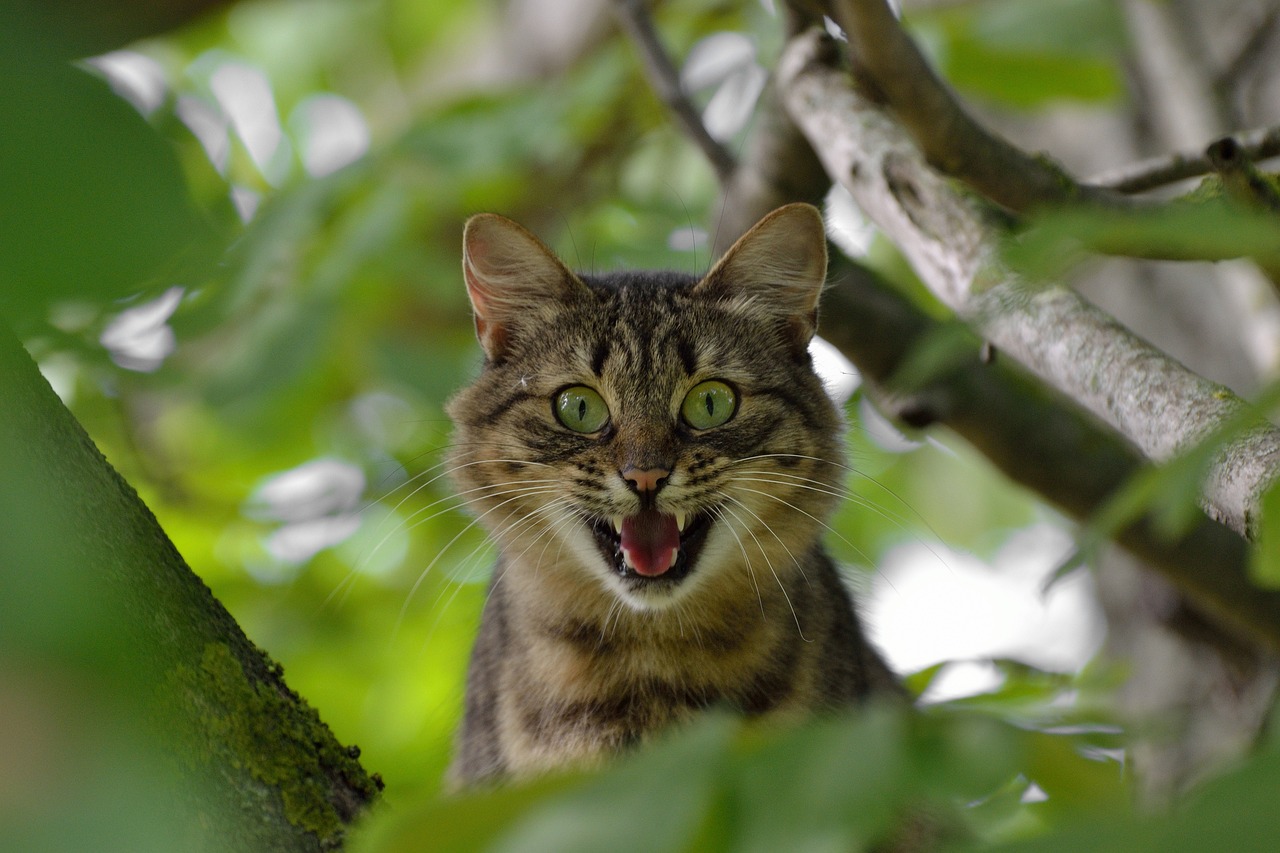
A comprehensive understanding of cat body language is vital for recognizing fear. Cats communicate their emotional state through subtle physical cues. For example, a cat that arches its back and puffs up its fur often displays aggression or fear. Conversely, a fearful cat may become very still, appearing frozen. Additionally, other signals, such as whiskers being pulled back and tail low to the ground, indicate anxiety or fear. Other behaviors include excessive grooming or hiding. A cat might also avoid eye contact or turn its body away, all signals indicating discomfort. Owners should note that every cat is unique, and while these are common signs, individual responses to fear can vary. By observing their body language carefully, cat owners can gauge their pets’ emotional states effectively. This awareness allows for immediate support or intervention when necessary. Furthermore, a fearful cat may vocalize differently; they might make soft meowing sounds or even hiss. Recognizing these vocal cues further aids in identifying fear. Consequently, understanding a cat’s body language creates a stronger bond between pet and owner, enhancing mutual trust and facilitating a sense of safety.
Supporting a fearful cat often requires patience and persistence. Creating a fear-free environment encourages a sense of security to help your pet feel more comfortable. Begin by limiting exposure to triggering situations, such as loud noises or crowded areas. Establishing a safe zone, like a quiet room with familiar items, can drastically reduce anxiety levels. Toys, safe hiding spots, or cozy cat beds offer the comfort and security cats crave. Gradually introduce new experiences to your cat without overwhelming them. This can involve slow introductions to new people, pets, or noises. Providing positive reinforcement through treats and encouraging play helps create positive associations. Routine also plays a significant role in emotional stability. Maintaining a consistent schedule for feeding and playtime can help reduce anxiety triggers. Offer interactive play sessions that focus on normalizing any sightings of triggers. If your cat displays continued signs of persistent fear, consider consulting with a veterinarian or a certified animal behaviorist. They can help identify underlying issues and develop a tailored plan to address specific fears. Your efforts in supporting your cat through these challenges will help foster a trusting and loving relationship.
Utilizing Professional Help
Sometimes, managing a cat’s fear may surpass an owner’s ability. In such cases, consulting a veterinary professional or animal behaviorist can provide invaluable support. A veterinarian can assess physical health issues that might contribute to fear-based behaviors. Certain health conditions can exacerbate anxiety levels, leading to heightened fear responses. For instance, hyperthyroidism may alter temperament and increase anxiety. Thus, it’s essential to rule out any medical concerns first. An animal behaviorist, on the other hand, specializes in understanding and modifying problematic behaviors. They can provide tailored training programs that address specific fears. Using behavior modification techniques such as desensitization and counter-conditioning can significantly improve your cat’s emotional well-being. Professional guidance may also involve formulating a behavior modification plan. This collaborative approach encourages consistent strategies to help modify perceived threats. Pet owners will gain insights into how to foster a more secure environment while also encouraging gradual exposure to triggers. With professional help, owners can more effectively promote long-term emotional health in their cats, ensuring a happier home for each feline member. Ultimately, timely interventions can make a substantial difference in overcoming fears that prevent happy, healthy living.
Cats experience fear just like other animals, impacting their overall quality of life. Understanding and addressing these fears contribute to a healthier, happier cat experience. If left unchecked, fear can lead to behavioral issues, possibly harming the bond between pet and owner. Hence, constant observation of their behavior is crucial for identifying the onset of fear. Providing reassurance through a secure environment should always be prioritized. By ensuring the cat’s physical and emotional needs are met, owners can help reduce fear. Positive reinforcement techniques may replace negative behaviors with more acceptable ones. Additionally, knowledge about available products promoting calmness may also be beneficial. Many cats respond well to pheromone diffusers or calming treats. However, every cat is unique, requiring different approaches to overcome anxiety. The owner’s role in shaping a cat’s environment for safety and comfort remains vital. Fostering a sense of trust through slow introductions will ultimately shape your cat’s perceptions of new experiences. A proactive approach in identifying and addressing fear responses helps cultivate a loving atmosphere. Consequently, a cat is likely to thrive, develop confidence, and maintain healthy relationships within their home.