
Training Timers for Cats: A Complete Buyer’s Guide
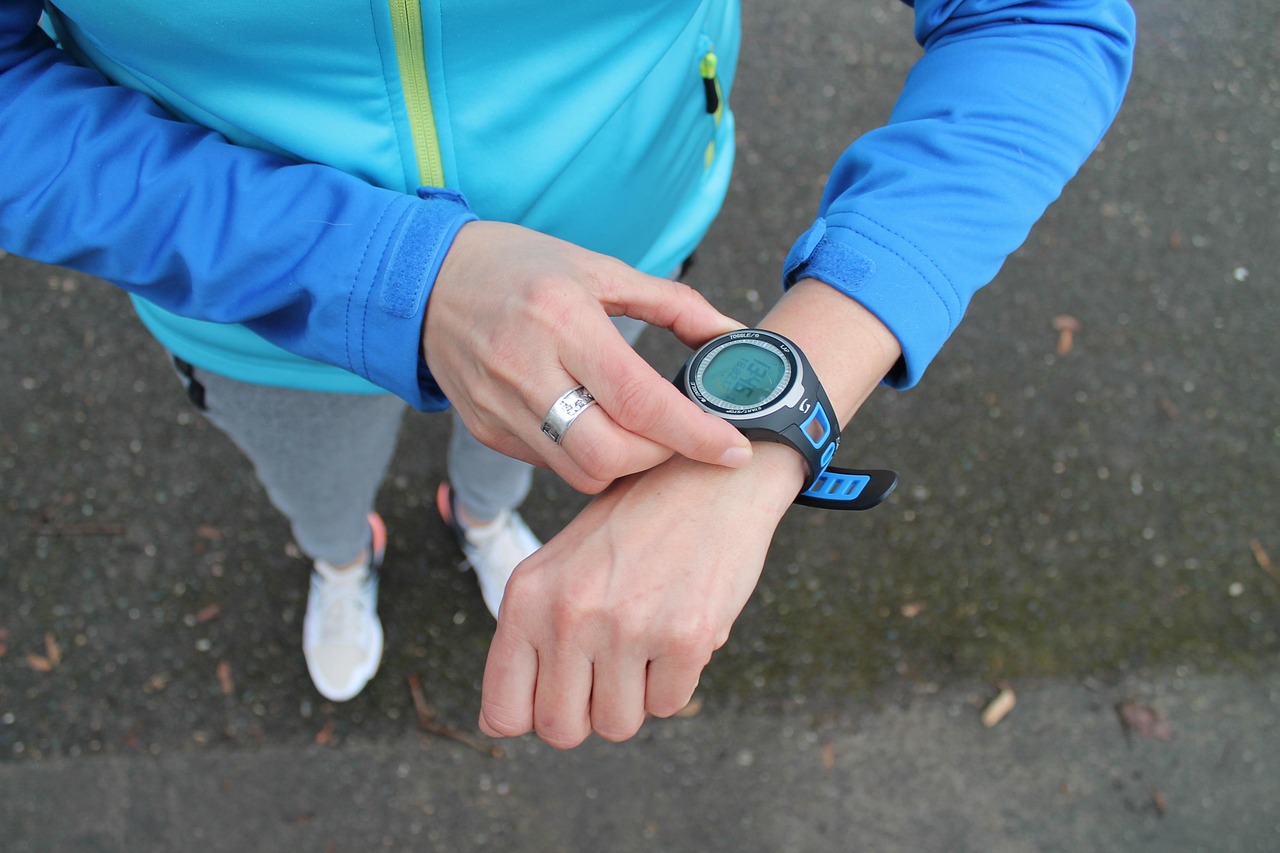
When it comes to training your feline friend, having the right equipment can make a noticeable difference. One piece of equipment that is often overlooked is the training timer. These devices can be critical in establishing a consistent routine for your cat. Training timers help you track specific intervals for activities, such as feeding, playtime, and even behavioral training sessions. The digital interfaces on these timers are often user-friendly, allowing for easy adjustments and visibility of the time remaining. One of the most significant advantages of using a training timer for your cat is its ability to create a disciplined environment. Your feline will begin to understand expected behaviors more clearly, effectively enhancing their learning process. Also, certain timers come equipped with features that allow you to program multiple routines throughout the day, catering to your cat’s unique schedule. With strict intervals set, your pet can adapt better, leading to a happier and more trained cat. When you identify how often your cat should be trained at various activities, the use of training timers can lead to a tremendous improvement in their behavior.
Types of Training Timers
When choosing a training timer, understanding the different types available is crucial. Most models can be categorized into two main types: manual and automatic timers. Manual timers are simple devices where you can set the time you want, and they sound a bell or alarm once the time is up. They are often more affordable but require your active involvement in resetting them. On the other hand, automatic timers come with programmable settings that allow you to set specific intervals throughout the day, such as feeding times or training sessions. Some advanced models can even connect to an app on your smartphone, enabling you to monitor and adjust the schedule remotely. While exploring options, examine features like display size, alarm volume, and ease of use. Additionally, some timers also offer customizable sounds or vibrations to avoid startling your cat. Choosing the right type of training timer that suits your lifestyle is essential. Whether you benefit more from the manual aspect or the convenience of automation can significantly impact your training routines and your cat’s adaptation.
Another essential factor in selecting the perfect training timer is how well it addresses your cat’s unique temperament and needs. Cats are known for being sensitive creatures, and the beeping from a timer might scare some felines, while others may respond positively to it. Therefore, it’s significant to read product reviews to gain insights from other cat owners. Many timers allow you to choose different sounds or volume levels, which can mitigate any anxiety your pet might experience. Additionally, if your cat shows anxiety towards loud noises or sudden changes in their environment, you may want to consider a timer with a subtle alarm or vibration feature. A gentle reminder will help maintain the calming routine and will significantly impact positive behavior reinforcement. As much as training timers can help in establishing routines, always remember that patience is vital when dealing with a cat’s training progress. The ultimate goal is for you and your feline companion to enjoy valuable time spent together while enriching their life, so find the right timer that fosters a comfortable training environment.
Battery Life and Durability
When investing in training timers, consider their battery life and overall durability. Since training can occur multiple times daily, a long-lasting battery is crucial to prevent interruptions during critical training sessions. Many timers feature energy-efficient designs and provide either replaceable or rechargeable battery options. It is always wise to check user reviews regarding battery performance in real-life scenarios, as some models may advertise long battery life but fail in practice. Additionally, check construction quality. Timers should withstand potential drops or spills, especially in environments where your cat may accidentally knock them over. Most reputable brands will offer a warranty for their products, giving you added security in your purchase. Selecting a timer built with high-quality materials will ensure it lasts through vigorous use. To further protect your investment, consider looking for models that have water-resistant features or rubberized edges. Your goal is to find a balance between functionality and durability, allowing you to focus on training your pet without the hassle of constantly replacing faulty devices. Thus, weigh these practical factors before making your final decision.
Once you’ve decided on the perfect training timer for your needs, it’s time to consider how to implement it into your daily routine. A great way to start is to use the timer consistently during specific training activities. For example, whether you’re teaching your cat to respond to commands, such as come or sit, or simply setting up a routine for feeding, consistency is essential. Set the timer at designated intervals, and reward your cat upon successful completion of the session. The rewards may include treats, playtime, or cuddles based on what motivates your feline best. Additionally, while the timer counts down, ensure to maintain a calm environment; high-pitched sounds or sudden movements can disrupt your cat’s focus. It may also help to journal progress throughout your training sessions, as this can give you clear insights into your cat’s responsiveness over time. Furthermore, sharing successes with fellow cat owners may encourage others to adopt similar training methods while reinforcing your achievements too. Adhering to strategies that incorporate the timer may yield remarkable and lasting results for your pet.
Common Mistakes to Avoid
As straightforward as using training timers can be, there are common mistakes that beginners often make. One prevalent mistake is neglecting to set realistic training goals for their cats. Cats may not respond immediately or may take longer than expected to adapt to training routines. Ensure to set achievable and smaller goals to allow gradual learning. Another mistake is not utilizing the timer effectively; remember to adjust your timings based on your cat’s responsiveness. Overly long training sessions may prove unproductive and lead to frustration for both you and your pet. Additionally, neglecting to reward your cat promptly after the timer goes off can hinder learning. A timely reinforcement shows your cat that they performed effectively, which helps to associate good behavior with positive outcomes. Lastly, failing to be patient should be avoided. Just like any other learning process, every cat may need more time to adapt than others. Understanding these common pitfalls can help streamline your cat training experience and improve overall success rates with your furry friend.
In conclusion, utilizing training timers for your cat can significantly enhance both training outcomes and overall pet behavior. By understanding the benefits of different timer types, customizing your training environment, and avoiding common mistakes, you can achieve successful training sessions that both you and your cat will enjoy. Remember that patience is key. Every cat learns at their own pace—providing a nurturing and supportive environment aids in solidifying training efforts. Investing in a reliable timer suited to your schedule and your cat’s temperament can foster a positive training atmosphere, ultimately leading to a stronger bond between you and your feline friend. As you embark on this rewarding journey of feline training, take the time to evaluate your existing practices and the tools you’ll employ. Monitoring progress with long-term goals can guide you in shaping your cat’s behavior effectively. With consistency and the right equipment, you will undoubtedly witness significant improvements. Good luck on your training adventure with your cat, and remember that every effort counts towards an obedient and well-mannered feline companion!
When it comes to training your feline friend, having the right equipment can make a noticeable difference. One piece of equipment that is often overlooked is the training timer. These devices can be critical in establishing a consistent routine for your cat. Training timers help you track specific intervals for activities, such as feeding, playtime, and even behavioral training sessions. The digital interfaces on these timers are often user-friendly, allowing for easy adjustments and visibility of the time remaining. One of the most significant advantages of using a training timer for your cat is its ability to create a disciplined environment. Your feline will begin to understand expected behaviors more clearly, effectively enhancing their learning process. Also, certain timers come equipped with features that allow you to program multiple routines throughout the day, catering to your cat’s unique schedule. With strict intervals set, your pet can adapt better, leading to a happier and more trained cat. When you identify how often your cat should be trained at various activities, the use of training timers can lead to a tremendous improvement in their behavior.