
The Role of Handler in Dog Shows
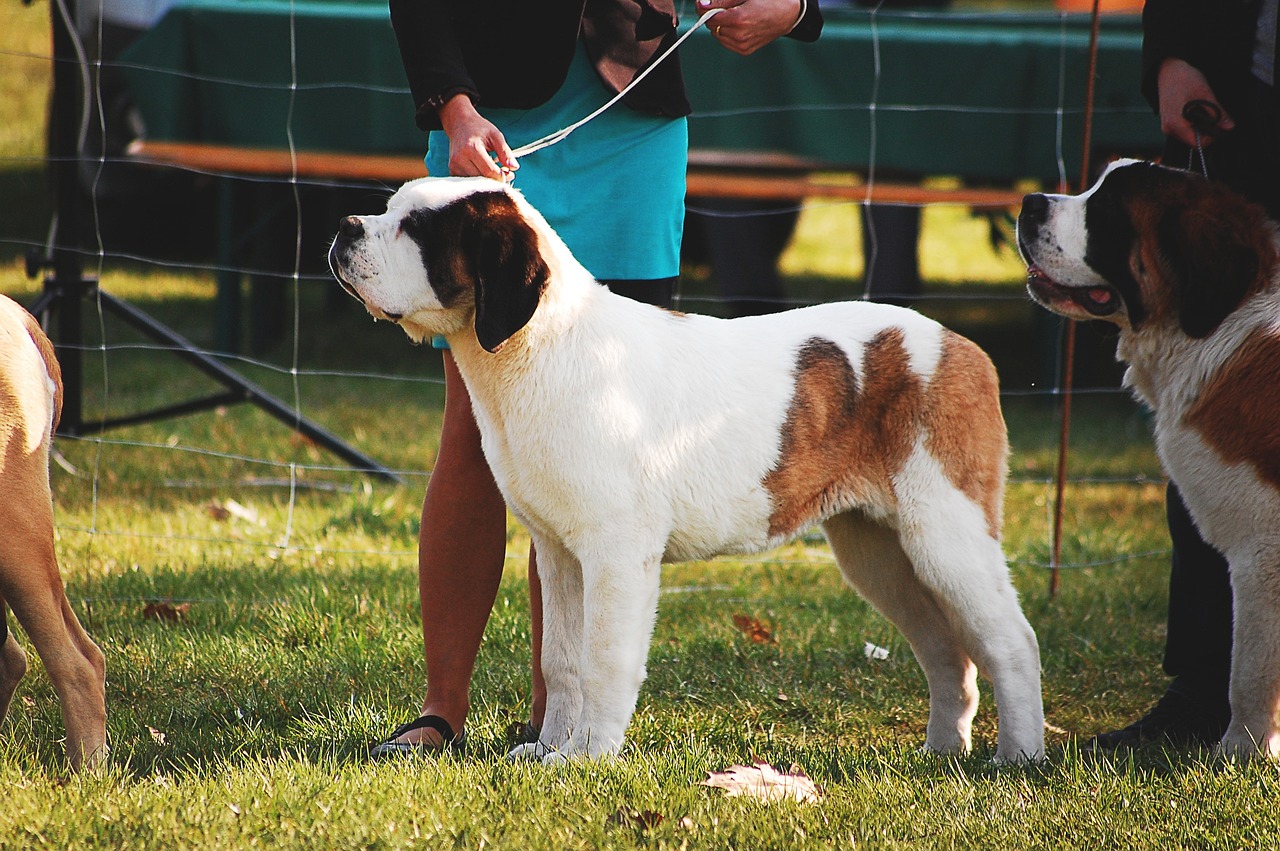
Handlers are pivotal participants in dog shows, acting as the bridge between the dog and the judge. They must possess a profound understanding of the breed’s standards, showcasing each dog’s strengths while minimizing flaws. A handler’s expertise in training and presenting methods significantly impacts the dog’s performance in the ring. Communication between handler and dog must be seamless; the handler must remain calm, assuring the dog feels confident. Additionally, handlers should know how to read a dog’s body language, reacting promptly when necessary. Preparation is crucial; handlers practice routines extensively to ensure every movement appears natural. They often choose the moment to present their dog, focusing on timing to create the best impression. Moreover, handlers may also educate the owner about the dog’s unique characteristics, making the event a more enjoyable experience for everyone involved. This knowledge creates a trust-based relationship, ensuring optimal performance during competitions. Ultimately, the role of a handler extends beyond mere performance; it involves nurturing the bond between dog and handler as a team striving for excellence in the competitive arena of dog shows.
Handlers must also adapt their strategies according to various show formats. For example, in some events, the focus might be on the breed’s specific characteristics, while in others, the evaluation may center on agility or obedience. Therefore, handlers should tailor their approaches to showcase the dog’s best attributes in accordance with the judging criteria. It is essential for a handler to be well-versed in the rules and regulations governing dog shows. This ensures they can navigate potential challenges while maintaining the integrity of the sport. Additionally, maintaining a dog’s health and grooming is vital for achieving optimal performance. Handlers often spend hours brushing, bathing, and trimming dogs to present them at their best. The handler’s presentation involves wearing appropriate attire, reflecting professionalism and respect for the competition. They must ensure their dogs are in perfect shape, which requires regular exercise and balanced nutrition. Furthermore, handlers should possess troubleshooting skills to address unexpected issues during shows. Whether it’s dealing with a nervous dog or adjusting to abrupt changes in the environment, flexibility and problem-solving are key attributes of successful handlers.
Building a Strong Relationship
A crucial aspect of a handler’s role is building a strong, trusting relationship with their dog. This bond is cultivated through positive reinforcement and consistent training routines. Handlers encourage their dogs with rewards and praise, fostering a positive connection that translates into confidence during shows. It’s important for handlers to understand their dog’s personality, including strengths and limitations, to provide tailored support. This personalized approach enhances overall performance in the ring, making each dog feel secure. Socialization is another key element; handlers expose their dogs to various environments and distractions early on. Exposure helps the dog become accustomed to different stimuli present at shows, reducing anxiety. Furthermore, handlers should ensure that their dogs enjoy the entire process, making it a fun experience rather than just competitive. Emotional support is crucial, as anxious dogs require extra encouragement from their handlers. This mutual understanding leads to a synchronized performance, ultimately enhancing the team’s chances of success. Handler and dog must act as one cohesive unit, showcasing their dedication to excellence in the sport of dog showing.
Handler routines also encompass scouting and understanding the competition. Knowing the strengths and weaknesses of other competitors can provide valuable insights during a show. Handlers may observe how successful teams present their dogs, gaining inspiration and adjusting their strategies accordingly. Networking with fellow handlers allows exchange of tips and tricks that enhance performance while fostering community ties. The experience and knowledge gained from scouting inform the handler’s approach and can result in better individual strategies. Crucial to this endeavor is attending various dog shows, where handlers gather practical insights alongside their canine partners. Continuous learning is essential in this dynamic environment, driving handlers to hone their skills and adapt to new trends within the dog show realm. Regular workshops and seminars can further improve handler techniques by providing updated information. Additionally, handlers can enhance their visibility and networking opportunities within the dog show community. Participation in forums, both online and offline, offers platforms for learning and sharing experiences with others in similar fields, ultimately enriching the handler’s approach to the sport.
The Importance of Presentation
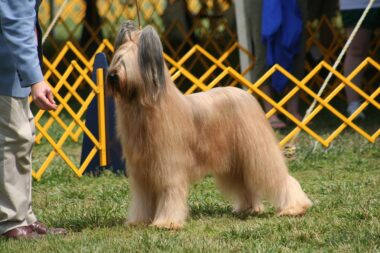
Presentation is another crucial factor in dog shows. The handler must not only showcase their dog’s physical attributes but also highlight its personality through movements and interactions. Each presentation should look natural, allowing the dog to shine without appearing overly controlled. Handlers should practice leading their dogs smoothly in patterns while displaying composure, as this attracts the judge’s attention. Fashion choices for handlers are just as important as techniques. They should wear suitable clothing that complements the dog while avoiding distractions. This harmony reinforces the overall impression presented before the judge. The choice of collar and lead can impact how a dog appears in the ring, subtly affecting the judge’s perception. Handlers often choose gear that ensures comfort and safety while enhancing the visual appeal. Emphasizing confidence as the dog steps into the spotlight is essential as it enhances the overall performance. Handlers use various strategies, such as feeding positive cues and body language, to project confidence. This synergy ultimately results in a captivating performance that resonates with judges and spectators alike, highlighting the art of presentation in showcasing dogs.
Preparation extends beyond grooming and physical conditioning; mental readiness is equally essential. Handlers must ensure dogs remain calm and composed, effectively managing stress in high-pressure environments. This includes practicing in settings similar to competitions, allowing dogs to become familiar with the atmosphere. Additionally, handlers use specific techniques to help dogs cope with potential stressors during competitions. Distraction techniques often involve toys or treats that redirect a dog’s focus amidst commotion. Engaging in regular training helps solidify the bond between handler and dog, facilitating a smoother transition into competition. Handlers often schedule downtime to let dogs relax and recharge, balancing training with leisure. This approach ensures dogs remain enthusiastic and engaged. Social interactions are vital as they promote positive relationships, decreasing anxiety amidst a crowd. Handlers should also be prepared for unforeseen circumstances, having contingency plans ready for any situation that may arise. Being adaptable and committed to their dog’s well-being ultimately fosters resilience, making both handler and dog well-prepared for the challenges presented at dog shows, enabling them to perform at their best amidst competition.
Conclusion: The Handler’s Influence
In conclusion, the handler plays a multifaceted role in dog shows, influencing not only the dog’s performance but also the relationship forged with the animal. Lessons learned during training extend to the ring, exemplifying the importance of consistent bonding efforts. Building trust, communication, and effective handling techniques are crucial in expanding a dog’s performance potential. Furthermore, successful handlers are adaptable, continuously improving their skills through observation and experience. The fusion between handler and dog creates a captivating performance that leaves a lasting impression on judges. Routine maintenance practices ensure that both the dogs and handlers present their best selves during competitions. This professionalism showcases not only physical abilities but also mental preparedness, all vital aspects of competing. Handler’s choices in preparation, presentation, training, and stress management contribute significantly to the overall outcome of a dog show. This sport requires dedication, flexibility, and a deep commitment to nurturing the intricate relationship between handler and dog. Ultimately, this partnership exemplifies the beauty of dog shows, where the synergy between animal and handler defines their success in the competitive arena.
This article delves into the multifaceted role handlers play in dog shows, emphasizing the importance of their connection with the dogs they represent. By understanding the technical aspects involved, as well as fostering positive relationships, handlers can elevate their performance during competitions. The insights shared throughout are essential for anyone looking to partake effectively in the world of dog shows, ensuring handlers are equipped with the necessary skills and knowledge to succeed.